 English
 Español

Reliable Energy Storage Cabinet Wiring Terminals for Safe Battery System Integration
Energy storage systems depend on thousands of electrical and mechanical details working together without interruption. Battery cells, busbars, cables, connectors, insulation components, monitoring devices, and cabinet structures must be coordinated to provide stable power flow and long-term protection. Among these components, the energy storage cabinet wiring terminal plays a particularly important role. It supports the connection between the battery system and external electrical circuits while helping protect conductive parts from accidental contact, contamination, and installation-related damage.
The FJ6/AS-TB200/210/220/230 Energy Storage Cabinet Wiring Terminal is designed for this demanding application. It is intended for energy storage cabinets and battery connection assemblies where safe routing, clear polarity identification, heat resistance, and dependable electrical contact are essential. The product is available in standard red and black configurations, commonly used to distinguish positive and negative connections, and can be customized in size according to customer requirements.
Although a terminal cover may appear relatively simple compared with a battery cell or a high-current busbar, its role in a complete energy storage system is significant. A suitable terminal solution must fit the cabinet structure, accommodate the required conductor arrangement, withstand the thermal conditions around the connection point, and support efficient assembly and maintenance. It must also contribute to personnel safety by reducing the risk of unintended contact with energized components.
This article examines the product’s design purpose, application value, manufacturing strengths, customization potential, quality considerations, and advantages compared with ordinary or poorly matched terminal protection solutions. It also explains how Zhejiang Zhongyan New Energy Co., Ltd. combines engineering experience, modern production equipment, and new energy component expertise to support reliable battery and power connection systems.
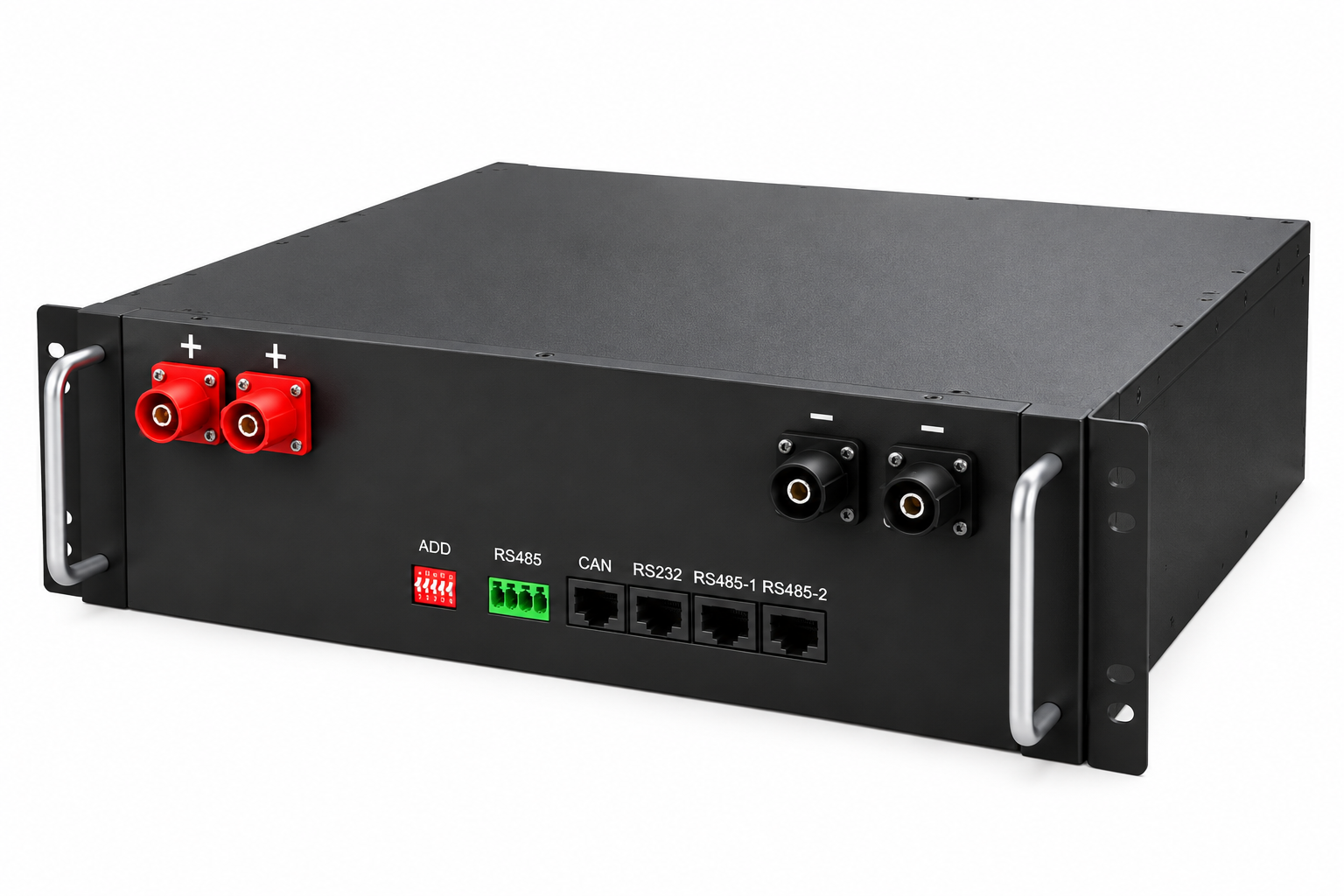
FJ6/AS-TB200/210/220/230 Energy Storage Cabinet Wiring Terminal
Content
- 1. The Role of Wiring Terminals in Energy Storage Cabinets
- 2. Product Overview
- 3. Why Material Selection Matters
- 4. Customization for Different Cabinet Designs
- 5. Manufacturing Strengths and Quality Control
- 6. Product Advantages Compared with Generic Alternatives
- 7. Application in Battery Energy Storage Systems
- 8. Installation and Engineering Considerations
- 9. Quality, Reliability, and Supply Cooperation
- 10. Selecting the Correct Terminal Configuration
- 11. How the Product Supports a More Reliable System
- 12. Company Capabilities in New Energy Components
- 13. Recommended Project Development Process
- 14. Frequently Asked Questions
- Q1: What is the primary purpose of the FJ6/AS-TB200/210/220/230 terminal?
- Q2: Is the product suitable for all battery energy storage systems?
- Q3: What do the red and black colors represent?
- Q4: Can the size be customized?
- Q5: Why is heat-resistant material important?
- Q6: Can the terminal be used with copper or aluminum busbars?
- Q7: Does the terminal replace proper cabinet insulation design?
- Q8: What information should be provided for a quotation?
- Q9: Can the company supply related battery connection components?
- Q10: How should the product be maintained?
- Q11: Is the product suitable for prototype and mass production projects?
- Q12: What is the main advantage over an improvised insulation solution?
- 15. Conclusion
- References
- Product: FJ6/AS-TB200/210/220/230 Energy Storage Cabinet Wiring Terminal
1. The Role of Wiring Terminals in Energy Storage Cabinets
An energy storage cabinet contains a compact concentration of electrical energy. Depending on the system architecture, it may include battery modules, cell connection systems, copper or aluminum busbars, battery management system wiring, fuses, switches, contactors, power conversion interfaces, cooling structures, and communication components. The cabinet must organize these elements in a manner that supports electrical performance, thermal management, operational safety, and serviceability.
Wiring terminals are installed at important connection points within or around the cabinet. They can provide a defined interface for battery cables, busbars, power leads, or other conductors. Their functions may include mechanical positioning, polarity identification, insulation support, and protection of the terminal area. When properly designed, they help reduce the possibility of short circuits caused by dropped tools, loose conductive objects, incorrect handling, or accidental contact during maintenance.
The terminal is therefore not simply a decorative cover. It forms part of the cabinet’s overall protection strategy. Its performance must be considered together with conductor size, connection hardware, insulation distance, cabinet layout, operating current, ambient temperature, vibration, humidity, and the required service life of the battery system.
In modern battery energy storage systems, the space available for electrical components is often limited. Designers need components that can be installed efficiently without creating unnecessary bulk. A well-matched wiring terminal can help create a more organized cabinet layout while maintaining suitable separation between conductive areas. It can also make the polarity and connection arrangement easier for technicians to understand.
1.1 Connection safety and polarity recognition
Red and black color standards are widely used to distinguish positive and negative battery connections. The FJ6/AS-TB200/210/220/230 series follows this familiar approach, helping installers identify the connection direction quickly. Clear color differentiation is particularly valuable in cabinets containing multiple battery modules or parallel connection paths.
Color coding does not replace electrical testing or formal installation procedures, but it provides an immediate visual aid. It can reduce the possibility of connecting conductors incorrectly during assembly, commissioning, inspection, or maintenance. Consistent color selection also supports standardized production and makes replacement parts easier to identify.
1.2 Insulation and accidental-contact protection
Battery terminals and high-current connection points can remain electrically dangerous even when the system is not actively supplying a load. A suitable insulating component helps cover or shield exposed conductive areas. This can reduce the chance of accidental contact during cabinet handling and service work.
The actual protection level of a finished cabinet depends on the complete assembly, including the terminal design, conductor routing, enclosure structure, fastening method, and applicable safety requirements. For this reason, the terminal should be evaluated as part of the finished system rather than as an isolated component.
1.3 Mechanical organization
A wiring terminal can also support the physical organization of cables and connection points. If a cable is allowed to move freely, repeated vibration or bending may place stress on the electrical joint. A properly fitted terminal interface can help maintain a predictable connection position and support a cleaner cabinet arrangement.
Improved organization can benefit installation efficiency, inspection, and future maintenance. It may also reduce the need for improvised protective materials that can vary in quality and may not provide consistent insulation or heat resistance.
2. Product Overview
The FJ6/AS-TB200/210/220/230 Energy Storage Cabinet Wiring Terminal is developed for use in energy storage cabinet wiring applications. It is included in the battery terminal insulator cover product category and is intended to support safe, reliable, and clearly organized battery system connections.
The product’s key features include heat-resistant materials, self-produced manufacturing, long service life, customizable sizing, and standard red and black colors. These features address several common requirements in energy storage cabinet production: the component must remain stable near warm electrical connections, fit the customer’s available installation space, provide consistent appearance, and support repeated use in demanding industrial environments.
| Product Attribute | Product Information | Application Value |
|---|---|---|
| Product type | Energy storage cabinet wiring terminal | Supports organized battery cabinet connections |
| Series designation | FJ6/AS-TB200/210/220/230 | Provides a defined product family for different installation requirements |
| Material characteristic | Heat-resistant material | Suitable for connection areas exposed to elevated operating temperatures |
| Color options | Red for positive and black for negative identification | Improves polarity recognition during assembly and service |
| Size support | Customizable according to customer requirements | Allows adaptation to cabinet dimensions and terminal geometry |
| Manufacturing approach | Self-produced component | Supports control over consistency, supply, and production coordination |
| Primary application | Energy storage cabinet | Supports BESS and battery system integration |
The model designation indicates a product family rather than a single universal geometry for every cabinet. In practice, customers should confirm the required terminal structure, installation clearance, conductor arrangement, and operating conditions before final selection. Engineering confirmation is especially important when the component is used with customized busbars, high-voltage battery assemblies, or compact cabinet structures.
3. Why Material Selection Matters
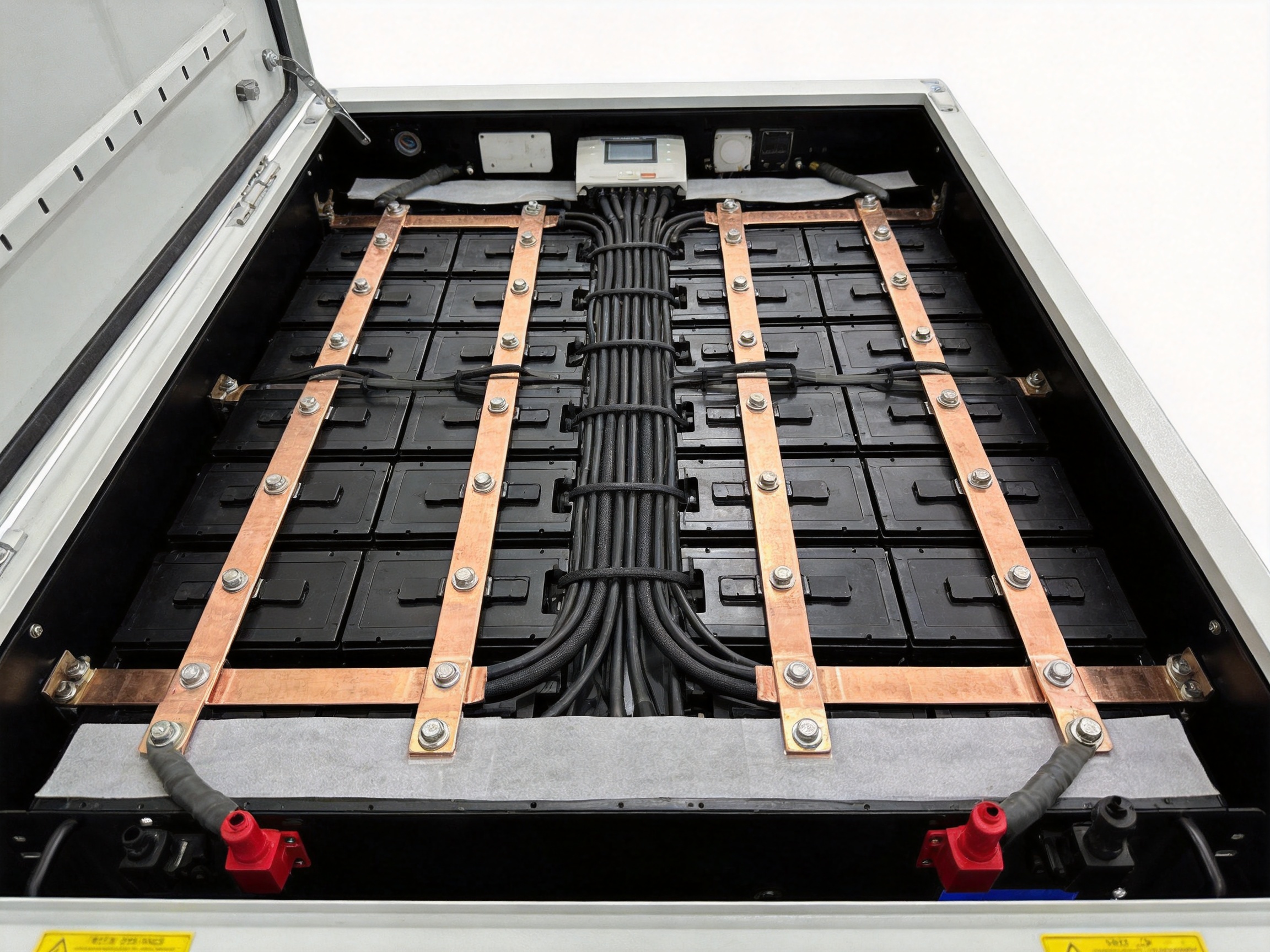
Material selection is one of the most important considerations in a terminal insulator cover. The component may be located near busbars, cable lugs, battery posts, or other current-carrying parts that generate heat during operation. The material must retain its shape and protective function under the expected thermal conditions of the application.
The product is designed with heat-resistant materials to support use in energy storage cabinet environments. Heat resistance helps reduce the risk of softening, deformation, or premature aging when the terminal is exposed to operating heat. It also supports dimensional stability, which is important when the terminal must remain correctly positioned around a conductive connection.
Temperature performance should always be assessed against the actual application. The final operating temperature depends on current, conductor cross-section, contact resistance, ambient temperature, cabinet ventilation, enclosure design, duty cycle, and proximity to other heat sources. Customers should provide relevant operating data so that the appropriate material and configuration can be confirmed.
3.1 Resistance to operating stress
Energy storage systems may operate continuously or cycle frequently between charging and discharging. Repeated current changes can produce repeated thermal expansion and contraction in conductors and connection hardware. A terminal protection component should remain stable through these normal operating changes.
A durable material can help maintain the intended fit over time. It can also support more predictable inspection results because the cover is less likely to become loose or distorted under normal conditions. Long service life is valuable in stationary energy storage installations because replacement may require system shutdown, cabinet access, safety isolation, and specialized labor.
3.2 Electrical insulation considerations
Insulating materials are used to separate personnel and nearby components from energized conductive areas. In a finished assembly, the quality of insulation depends on material properties, wall thickness, geometry, creepage distance, clearance, installation accuracy, and environmental exposure.
A terminal cover should therefore be selected together with the requirements of the complete battery system. Factors such as voltage level, pollution degree, humidity, condensation, dust, salt exposure, and cleaning methods may influence the required insulation design. The product provides a practical insulation and protection interface, while system designers remain responsible for verifying the complete electrical safety architecture.
3.3 Appearance and identification stability
Color is not only an aesthetic feature. It contributes to the visual language of an electrical cabinet. Stable red and black coloring helps maintain a recognizable polarity scheme throughout production and maintenance. Consistent appearance also supports quality inspection by making missing, incorrectly installed, or mismatched components easier to identify.
4. Customization for Different Cabinet Designs
Energy storage cabinets are not manufactured in one universal format. Cabinet manufacturers and system integrators may use different battery module arrangements, busbar positions, cable entry directions, terminal sizes, mounting methods, and clearance requirements. A standard component may be suitable for one design but unsuitable for another.
The FJ6/AS-TB200/210/220/230 terminal can be customized in size according to customer requirements. This flexibility allows the component to be considered during the cabinet design process rather than added as an afterthought. Customization may involve dimensional adjustments, interface geometry, installation clearance, shape coordination, or color requirements, subject to technical review and production capability.
Custom sizing is especially beneficial when the terminal must fit around a special-shaped busbar, a compact cable lug, or a non-standard cabinet opening. It can help reduce interference with adjacent components and support a more efficient use of internal space.
4.1 Information required for customization
To develop a suitable customized terminal, customers should provide drawings or clear technical information. Useful data may include terminal dimensions, conductor size, connection hardware, voltage class, current range, installation direction, available clearance, fastening method, ambient temperature, and expected service conditions.
Photographs and physical samples can also be useful during the early evaluation stage, particularly when an existing cabinet must be upgraded or when the original component is difficult to describe through dimensions alone. A sample-based review allows engineers to examine the available space and identify possible interference points.
For repeat production, the final design should be confirmed through an approved drawing or technical specification. This helps ensure that future production batches remain consistent and that both sides have a common reference for inspection and acceptance.
4.2 Advantages of application-specific design
An application-specific terminal can provide a closer fit than a generic insulating cap. A closer fit may improve visual organization, reduce unwanted movement, and support more consistent assembly. It can also prevent the need for additional temporary insulation materials, cutting, or manual modification on the production line.
Customization can support both large-volume and specialized projects. For high-volume cabinet production, a dedicated component can help standardize assembly steps. For smaller or technically complex projects, customization can address unusual dimensions that are not covered by standard catalog products.
5. Manufacturing Strengths and Quality Control
The product is self-produced by Zhejiang Zhongyan New Energy Co., Ltd., which provides an important advantage in production coordination. When a manufacturer controls its own product process, it can manage material selection, tooling coordination, dimensional control, production scheduling, and quality feedback more directly.
Self-production does not eliminate the need for verification, but it can reduce communication gaps between design and manufacturing teams. If a customer identifies a fit issue or requests a controlled modification, the manufacturer can evaluate the change within its own engineering and production workflow.
The company was established in 2022 and specializes in new energy conductive components. Its product scope includes high-voltage electrical copper foil soft connections, special-shaped soft connections, battery soft connections, and other precision components. This background provides a useful understanding of the real installation environments in which battery terminal protection products are used.
5.1 Engineering and technical capabilities
Zhejiang Zhongyan New Energy brings together experienced engineers and technical teams with expertise in product design, research and development, manufacturing, and application solutions. The company’s engineering approach covers materials science, precision machining, testing, and verification.
This multidisciplinary capability is relevant to energy storage cabinet terminals because the component must satisfy more than one requirement. It must fit mechanically, protect electrically, remain stable thermally, and be practical to manufacture. A supplier that understands adjacent components such as battery soft connections, busbars, and cell connection systems can evaluate the terminal within a broader connection architecture.
The company also develops advanced processes for new energy electrical connections, including independently developed polymer diffusion welding and laser technology patents. These technologies are primarily associated with the company’s conductive connection products rather than being a substitute for the insulating terminal itself. However, they demonstrate the company’s broader investment in precision connection manufacturing and advanced battery system engineering.
5.2 Process consistency
Consistent production is essential for terminal components used in repeated cabinet assembly. Variations in dimensions, wall thickness, color, or fit may create delays on the production line or lead to inconsistent protection in the finished cabinet.
A modern production and quality management system can support process documentation, incoming material control, in-process inspection, finished product evaluation, and traceable corrective action. Customers should discuss the exact inspection items and acceptance criteria required for their project, including dimensional tolerances, appearance standards, material verification, and functional fit testing.
For customized products, first-article approval is particularly important. A first-article sample allows the customer to check the installation position, connection clearance, polarity marking, and interaction with nearby components before mass production begins.
5.3 Integration with broader manufacturing resources
The company’s product portfolio includes insulated flexible busbars, rigid or solid busbars, aluminum busbars, coated or painted busbars, copper braided tape, stranded copper wires, stranded copper connectors, composite laminated busbars, cell contact systems, battery storage connectors, LFP batteries, and battery terminal insulator covers.
This broad range can simplify technical coordination for customers that require several connected components. Instead of treating the terminal cover as an isolated purchase, a customer may discuss the relationship between the cover, busbar, cable, battery module, and cell connection system with a supplier familiar with the complete electrical pathway.
Such coordination can be useful when the terminal geometry must match a busbar profile or when the available cabinet space is determined by several interconnected parts. It can also support a more coherent approach to material selection, current distribution, insulation, and assembly.
6. Product Advantages Compared with Generic Alternatives
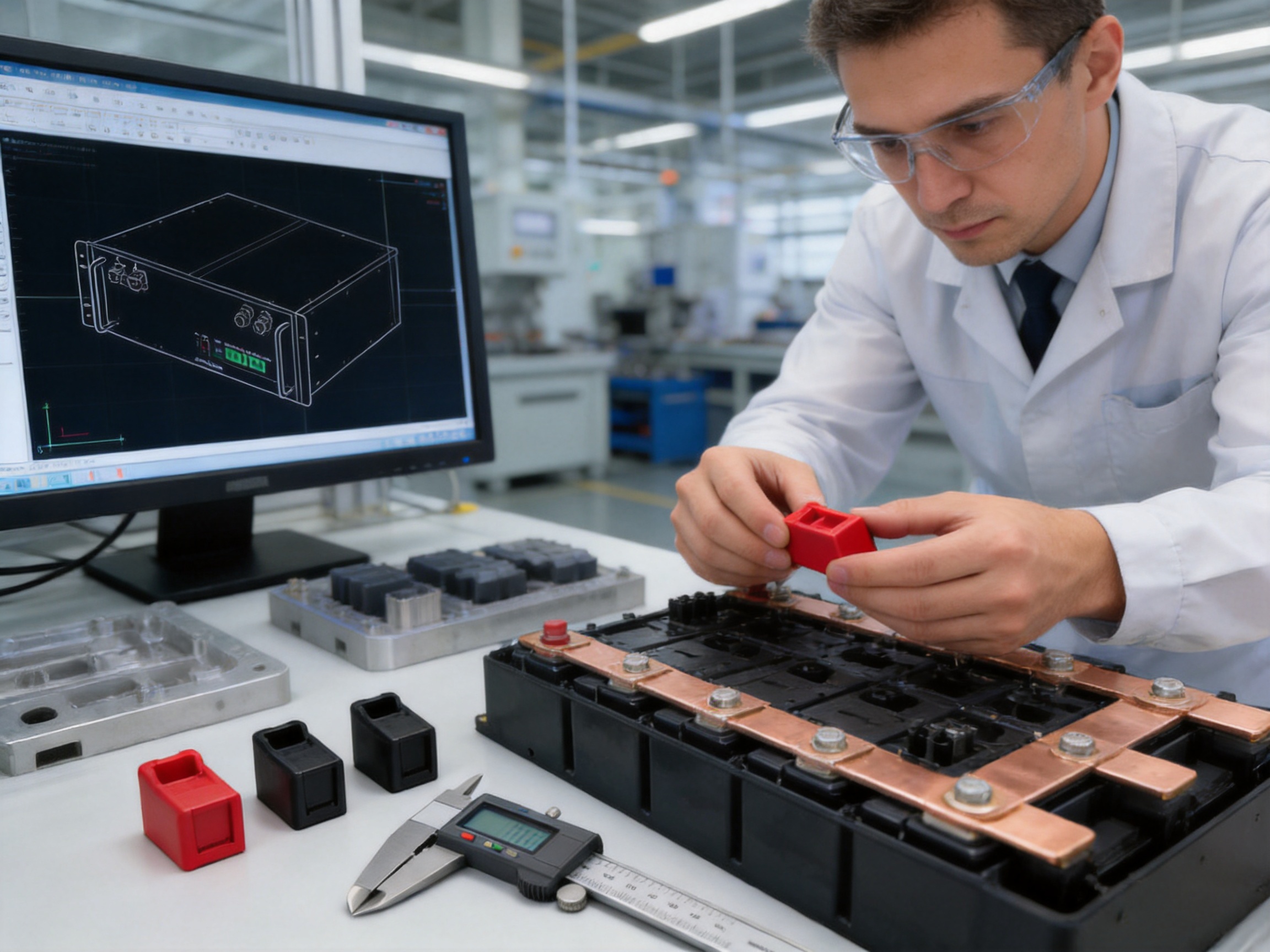
Generic terminal covers may be available in standard shapes and materials, but they do not always match the requirements of modern energy storage cabinets. The main advantage of a purpose-oriented product is that it is developed with the battery cabinet environment in mind.
6.1 Better application alignment
A product designed for energy storage cabinet wiring is more likely to address common requirements such as polarity identification, high-current connection protection, heat exposure, compact installation, and integration with battery system components. This does not mean that every application is automatically suitable; rather, the product is positioned for the correct class of use.
By contrast, an improvised plastic cover or general-purpose electrical cap may not provide the required fit, heat resistance, or long-term stability. It may also require manual cutting or modification, creating variation from one cabinet to another.
6.2 Improved production efficiency
A dedicated terminal can reduce assembly effort when compared with multiple pieces of insulating tape, heat-shrink material, or manually fabricated protective shields. A component that is ready to install can support repeatable work instructions and make production training easier.
Faster installation is not the only benefit. Standardized components can also simplify inspection. Operators can check whether the correct terminal is present, whether the color corresponds to the intended polarity, and whether it is seated correctly on the connection point.
6.3 More dependable long-term protection
A heat-resistant, purpose-designed insulating component can offer more stable protection than temporary materials that may loosen, crack, discolor, or deform over time. The actual service life still depends on operating conditions, but the design intent is better aligned with continuous energy storage operation.
6.4 Easier project customization
The availability of size customization is another advantage over fixed catalog alternatives. A custom size may reduce interference with cabinet doors, cooling passages, busbars, cable bends, and inspection areas. It can also help system integrators preserve a consistent design across different cabinet configurations.
6.5 Coordinated supply from an experienced new energy manufacturer
Supplier capability matters when a terminal is part of a larger battery connection project. A manufacturer with experience in conductive components and battery systems can better understand the relationship between terminal protection and current-carrying parts. This can support faster technical communication and more practical engineering recommendations.
7. Application in Battery Energy Storage Systems
Battery energy storage systems, often referred to as BESS, are used in renewable energy integration, peak shaving, backup power, microgrids, industrial power management, and grid-support applications. These systems may contain many battery modules connected in series, parallel, or a combination of both.
At the cabinet level, each connection point must be arranged to support electrical performance and operational safety. The wiring terminal can be applied around battery output points, cabinet wiring interfaces, module interconnections, or other designated connection locations. The exact application depends on the customer’s system design and the selected terminal configuration.
In renewable energy installations, the system may experience changing charge and discharge patterns as solar or wind generation varies. In industrial facilities, the battery may be subjected to frequent cycling or standby conditions. In backup systems, the cabinet may remain inactive for long periods and then be required to deliver power quickly. In all of these environments, connection protection and stable installation are important.
7.1 Utility and commercial storage
Large energy storage installations often use multiple cabinets connected through power conversion equipment. Each cabinet must maintain a consistent internal arrangement so that production, transportation, installation, and service activities can be managed efficiently.
Clearly identified red and black terminals can support standardization across multiple cabinets. Customized dimensions can help the terminal match the internal architecture used by the system integrator. When many cabinets are produced, small improvements in installation consistency can have a significant effect on total manufacturing time and quality control.
7.2 Industrial and backup power systems
Industrial battery systems may be installed in electrical rooms, equipment shelters, factories, telecommunications facilities, or commercial buildings. These installations may require compact components that can withstand heat generated within enclosed equipment.
The wiring terminal can support a cleaner and more protected connection layout in such systems. It may also make visual inspection more straightforward for technicians who need to verify connection conditions during scheduled maintenance.
The company also works with battery soft connections, cell connection systems, and other new energy components. This experience is relevant to projects where cabinet terminals must be coordinated with battery modules or power battery assemblies.
Different applications have different requirements, so customers should not assume that a terminal intended for one cabinet can be transferred directly to another system without evaluation. Voltage, current, temperature, vibration, enclosure design, and applicable standards should all be reviewed before use.
8. Installation and Engineering Considerations
Correct installation is essential to achieving the intended benefits of an energy storage cabinet wiring terminal. Before installation, technicians should verify the part number, color, dimensions, connection orientation, and compatibility with the associated conductor and terminal hardware.
The connection surface should be clean and free from foreign material that could affect electrical contact or mechanical seating. Conductors should be routed according to the cabinet design, with appropriate bend radius and strain relief. The terminal should not be forced into a position that creates excessive stress or distortion.
Fasteners should be tightened according to the approved assembly specification. Over-tightening can damage connection hardware or deform surrounding components, while under-tightening can increase contact resistance and generate additional heat. The terminal cover should be installed only after the underlying connection has been completed and inspected in accordance with the system’s work instructions.
8.1 Inspection after installation
Post-installation inspection may include visual confirmation of seating, polarity, clearance, cable routing, and interference with adjacent components. Depending on the system design, electrical tests, insulation checks, torque verification, and thermal evaluation may also be required.
Where multiple terminals are installed in one cabinet, the inspection process should confirm that all positive and negative positions are correctly identified and that no cover is missing, cracked, loose, or incorrectly oriented.
8.2 Maintenance considerations
During maintenance, the battery system must be isolated according to the site’s safety procedures. Personnel should treat all battery terminals and connected conductors as potentially energized until the appropriate verification has been completed.
The terminal cover should be checked for discoloration, deformation, cracking, contamination, looseness, or signs of overheating. Any abnormal condition should be investigated together with the underlying electrical connection. Replacing a cover without addressing a loose connection or excessive current condition may not resolve the original problem.
9. Quality, Reliability, and Supply Cooperation
For energy storage manufacturers, product quality includes more than the condition of an individual part. It also includes delivery consistency, documentation, communication, packaging, customization support, and the ability to respond to technical changes.
Zhejiang Zhongyan New Energy provides products for power transmission and distribution, electric vehicles, rail transit, communications, and energy storage industries. These sectors require stable electrical connection performance and reliable cooperation between component manufacturers and system integrators.
The company’s high-tech enterprise positioning, engineering team, professional equipment, and experience in soft connection manufacturing provide a foundation for supporting customized energy storage components. Its stated customer base includes leading enterprises in the new energy industry, reflecting experience with demanding product and supply requirements.
9.1 Documentation and communication
Customers should request the technical documents appropriate to their project. Depending on the application, these may include product drawings, material information, inspection reports, sample approval records, packaging specifications, and installation guidance.
Clear communication is especially important when the product is customized. A complete technical exchange at the beginning of the project can reduce later changes and improve the accuracy of quotations, tooling decisions, and delivery planning.
9.2 Packaging and transportation
Terminal covers should be packaged in a way that protects them from deformation, contamination, moisture, and impact during storage and transportation. Packaging requirements may vary according to product geometry, order quantity, export conditions, and customer assembly procedures.
For large-volume projects, packaging can also be designed to support efficient line-side handling. Clearly labeled cartons or trays can help operators identify product models and polarity colors without opening every package.
9.3 Long-term supplier value
A reliable supplier should be able to support the product beyond the first shipment. This includes assistance with design modifications, replacement orders, quality feedback, production scaling, and coordination with related components.
As energy storage systems continue to develop, cabinet designs may change to accommodate higher energy density, improved thermal management, new cell formats, and more compact electrical layouts. A supplier with in-house engineering and manufacturing capabilities is better positioned to support such changes than a distributor offering only fixed, generic products.
10. Selecting the Correct Terminal Configuration
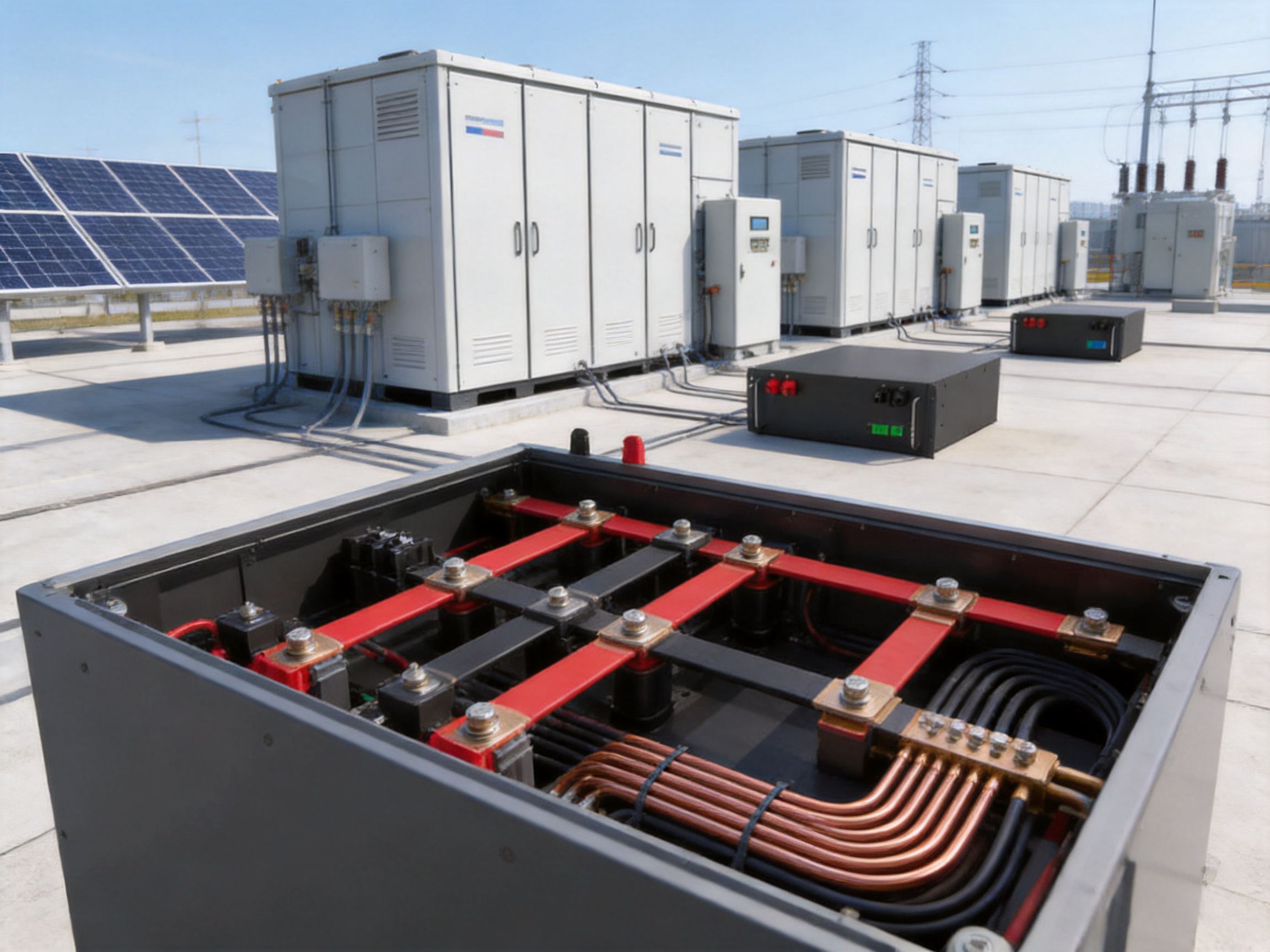
Selection should begin with the electrical and mechanical requirements of the target system. The customer should identify the terminal position, conductor type, connection method, required protective coverage, and available installation space.
The FJ6/AS-TB200/210/220/230 series provides a starting point for energy storage cabinet wiring applications, but final configuration should be confirmed through technical review. A suitable selection process can help avoid problems such as insufficient clearance, interference with cabinet panels, poor cable routing, or inadequate thermal performance.
| Selection Factor | Questions for Review |
|---|---|
| Connection geometry | What is the shape and size of the terminal, lug, busbar, or conductor interface? |
| Electrical environment | What voltage, current, duty cycle, and fault protection conditions apply? |
| Thermal environment | What temperatures may occur during normal operation and abnormal conditions? |
| Cabinet clearance | Is there sufficient space around the cover, cable bend, fasteners, and adjacent parts? |
| Polarity identification | Are red and black components required for positive and negative connections? |
| Installation method | Will the terminal be clipped, fastened, retained, or integrated with another component? |
| Environmental exposure | Will the cabinet encounter humidity, dust, vibration, condensation, or corrosive conditions? |
| Production volume | Is the project a prototype, small batch, or large-scale cabinet production program? |
Early confirmation of these factors allows the supplier to recommend whether a standard configuration or a customized design is more appropriate. It also helps define the required inspection and validation plan.
11. How the Product Supports a More Reliable System
Reliability in energy storage is created through multiple layers of design and manufacturing. Cells must perform consistently, conductive components must carry current with low resistance, insulation must remain stable, mechanical joints must be secure, and the cabinet must manage heat and environmental exposure.
The wiring terminal contributes to this layered approach by protecting and organizing critical connection areas. It does not replace proper electrical design, but it helps complete the connection interface. Its value is greatest when it is integrated into the cabinet from the early engineering stage.
A well-designed terminal can help reduce installation variation. It can make polarity easier to identify, support separation between conductive areas, protect against accidental contact, and provide a consistent appearance across repeated assemblies. These practical benefits can contribute to lower maintenance risk and more efficient quality inspection.
For manufacturers of battery cabinets, the product can also support a more professional finished appearance. Organized, color-coded, and properly protected connections communicate that the electrical system has been designed with safety and serviceability in mind.
12. Company Capabilities in New Energy Components
Zhejiang Zhongyan New Energy Co., Ltd. specializes in new energy conductive components and precision electrical connection solutions. Its activities cover product research, engineering development, manufacturing, and customized application support.
The company focuses on high-voltage copper foil soft connections, special-shaped soft connections, battery soft connections, and related precision parts. These products serve power transmission and distribution, electric vehicles, rail transit, communications, and energy storage industries.
Its manufacturing capabilities include polymer diffusion welding and laser technologies developed through independent research. These technologies are used to create electrical connection products with low internal resistance and high reliability. In the broader product portfolio, the company also works with busbars, laminated conductors, braided copper components, battery storage connectors, cell contact systems, and battery-related products.
This range gives the company a practical understanding of how current-carrying components, flexible connections, battery modules, and insulation accessories interact. For customers developing a new energy storage cabinet, this can support more informed discussions about the complete connection path rather than focusing on only one part.
The company continues to develop its research and development system across materials, precision processing, testing, and verification. It is also expanding into lithium battery manufacturing and integrated cell and connection system design. This direction reflects the increasing importance of combining battery cells, conductive connections, insulation, and system-level engineering in a single optimized solution.
13. Recommended Project Development Process
A structured project process can help customers achieve better results when sourcing the FJ6/AS-TB200/210/220/230 terminal.
Step 1: Define the application
Describe the battery cabinet, connection position, operating environment, and intended production volume. Identify whether the component will be used for an internal battery connection, an external cabinet interface, or another designated location.
Step 2: Provide technical information
Submit drawings, dimensions, photographs, samples, conductor details, and clearance requirements. Include information about expected temperature, current, voltage, humidity, vibration, and installation conditions.
Step 3: Review the design
Work with the engineering team to confirm the terminal geometry, material, color, installation method, and relationship with adjacent busbars or cable assemblies.
Step 4: Approve samples
Install samples in the actual or representative cabinet structure. Check fit, clearance, polarity identification, cable routing, service access, and appearance. Make any necessary adjustments before mass production.
Step 5: Confirm quality requirements
Agree on dimensional tolerances, visual standards, material requirements, inspection methods, packaging, labeling, and documentation. Establish the process for handling nonconforming products or engineering changes.
Step 6: Begin production and monitor feedback
After approval, maintain communication between the customer’s production team and the supplier. Feedback from early production can identify opportunities to improve installation efficiency or further optimize the customized design.
14. Frequently Asked Questions
Q1: What is the primary purpose of the FJ6/AS-TB200/210/220/230 terminal?
It is designed for wiring connections in energy storage cabinets. It helps protect battery connection areas, support insulation, organize the connection interface, and make positive and negative terminals easier to identify.
Q2: Is the product suitable for all battery energy storage systems?
It is intended for energy storage cabinet applications, but final suitability depends on the actual cabinet design, terminal geometry, voltage, current, temperature, clearance, environmental conditions, and applicable safety requirements. Technical confirmation should be completed before use.
Q3: What do the red and black colors represent?
Red is generally used to identify the positive connection and black to identify the negative connection. Customers should follow the polarity convention and wiring documentation of their specific system.
Q4: Can the size be customized?
Yes. The product can be customized in size according to customer requirements, subject to engineering evaluation and production capability. Drawings, samples, photographs, and detailed installation information are useful for customization.
Q5: Why is heat-resistant material important?
Battery connection areas may become warm during charging, discharging, and continuous operation. Heat-resistant material helps the terminal maintain its shape and protective function under the expected operating conditions. The exact temperature limits should be confirmed for the selected configuration.
Q6: Can the terminal be used with copper or aluminum busbars?
Potential compatibility depends on the terminal geometry, busbar dimensions, connection hardware, insulation clearance, and operating conditions. The company manufactures copper and aluminum busbar-related products, but each combination should be technically reviewed before approval.
Q7: Does the terminal replace proper cabinet insulation design?
No. It is one component within the complete insulation and safety system. The finished cabinet must still satisfy its required voltage, clearance, creepage, enclosure, grounding, protection, and maintenance requirements.
Q8: What information should be provided for a quotation?
Customers should provide the required quantity, target application, drawings or dimensions, material expectations, color requirements, installation method, operating temperature, electrical conditions, delivery location, and any required inspection or documentation standards.
The company’s product range includes flexible and rigid busbars, aluminum busbars, coated busbars, braided copper components, stranded copper wires and connectors, laminated busbars, cell contact systems, battery storage connectors, battery products, and terminal insulator covers. Related supply should be confirmed according to the project requirements.
Q10: How should the product be maintained?
Maintenance personnel should first isolate the battery system according to approved safety procedures. The terminal should be inspected for cracking, deformation, discoloration, looseness, contamination, or heat damage. Any abnormal condition should be evaluated together with the underlying electrical connection.
Q11: Is the product suitable for prototype and mass production projects?
It can be considered for both prototype development and repeated cabinet production. Prototype projects benefit from customization and sample evaluation, while mass production projects can benefit from standardized color, dimensions, packaging, and inspection procedures.
Q12: What is the main advantage over an improvised insulation solution?
A purpose-designed terminal offers better alignment with the cabinet application, more consistent installation, heat-resistant material selection, clearer polarity identification, and the possibility of customized sizing. Improvised solutions may not provide the same repeatability or long-term protection.
15. Conclusion
The FJ6/AS-TB200/210/220/230 Energy Storage Cabinet Wiring Terminal is designed to support the safety, organization, and reliability of battery cabinet connection systems. Its heat-resistant material, self-produced manufacturing approach, customizable sizing, and standard red and black color identification address important practical requirements in modern energy storage equipment.
Compared with generic or improvised insulation solutions, the product offers a more application-focused approach. It can support better cabinet organization, easier polarity recognition, more consistent production, and improved protection of battery connection areas. Its value becomes even greater when it is selected together with compatible busbars, cables, battery modules, and connection hardware.
Zhejiang Zhongyan New Energy Co., Ltd. strengthens this product offering through engineering experience in new energy conductive components, modern manufacturing resources, advanced connection technologies, and a broad product portfolio. Its capabilities in soft connections, busbars, cell contact systems, battery storage connectors, and related precision components provide a foundation for coordinated battery system solutions.
For customers developing energy storage cabinets, the recommended approach is to engage the manufacturer early, provide complete technical information, validate samples in the actual installation environment, and define clear quality and documentation requirements. With suitable engineering coordination, the terminal can become an effective part of a safer, more durable, and more maintainable energy storage system.
References
1. International Electrotechnical Commission. IEC 60664-1, Insulation Coordination for Equipment within Low-Voltage Systems.
2. International Electrotechnical Commission. IEC 62477-1, Safety Requirements for Power Electronic Converter Systems and Equipment.
3. International Electrotechnical Commission. IEC 62933 Series, Electrical Energy Storage Systems.
4. International Electrotechnical Commission. IEC 62619, Safety Requirements for Secondary Lithium Cells and Batteries for Industrial Applications.
5. National Fire Protection Association. NFPA 855, Standard for the Installation of Stationary Energy Storage Systems.
6. Underwriters Laboratories. UL 9540, Energy Storage Systems and Equipment.
7. Underwriters Laboratories. UL 1973, Batteries for Use in Stationary and Motive Auxiliary Power Applications.
8. International Organization for Standardization. ISO 9001, Quality Management Systems—Requirements.
9. Manufacturer technical information for energy storage cabinet wiring terminals, battery connection components, busbars, and insulation accessories.
Product: FJ6/AS-TB200/210/220/230 Energy Storage Cabinet Wiring Terminal

Driven by the development of new energy and aiming for "zero carbon".
Copyright © Zhejiang Zhongyan New Energy Co., Ltd. All Rights Reserved.
