The Braided Busbar Standard: End Connections, Structure, and Cross-Sectional Design
How Should End Connection Methods for Copper Braid Busbars Be Selected?
The selection of end connection methods for copper braid busbars
Copper braid busbars are flexible conductors used in applications requiring vibration resistance, thermal expansion accommodation, or movement. The end connection method is critical to the reliability of the busbar system. How end connection methods for copper braid busbars should be selected depends on the application requirements, the installation environment, and the connection type.
The connection methods for copper braid busbars
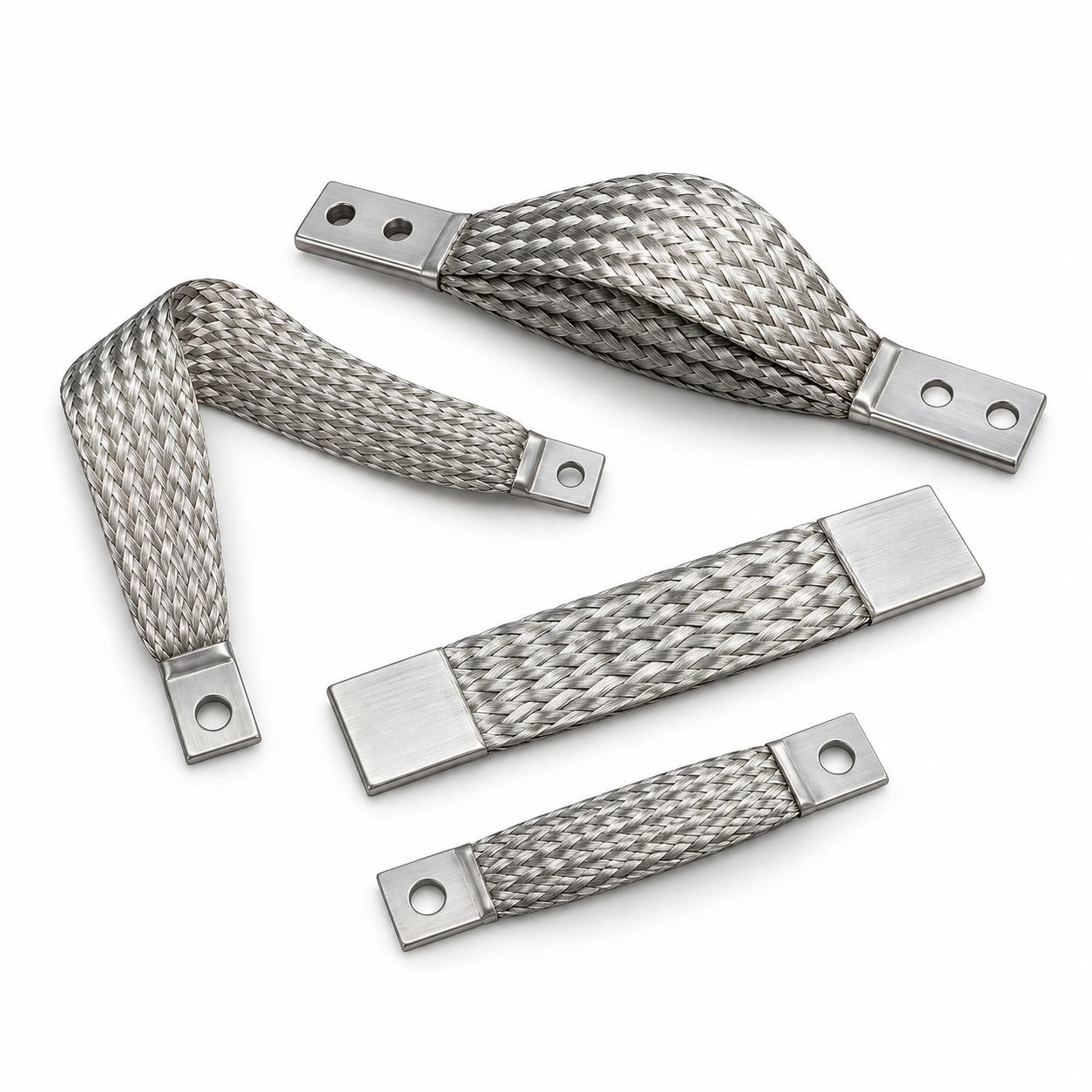
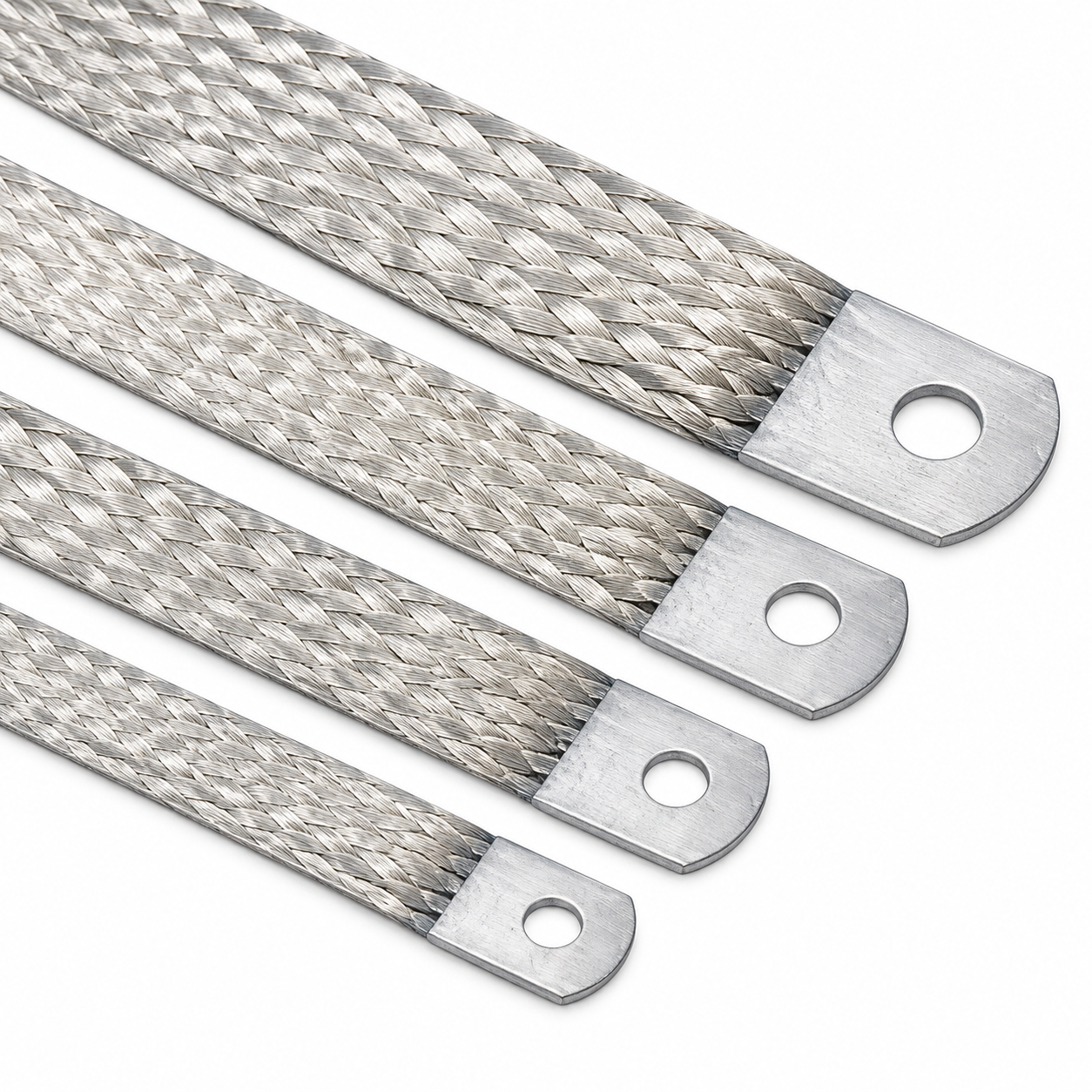
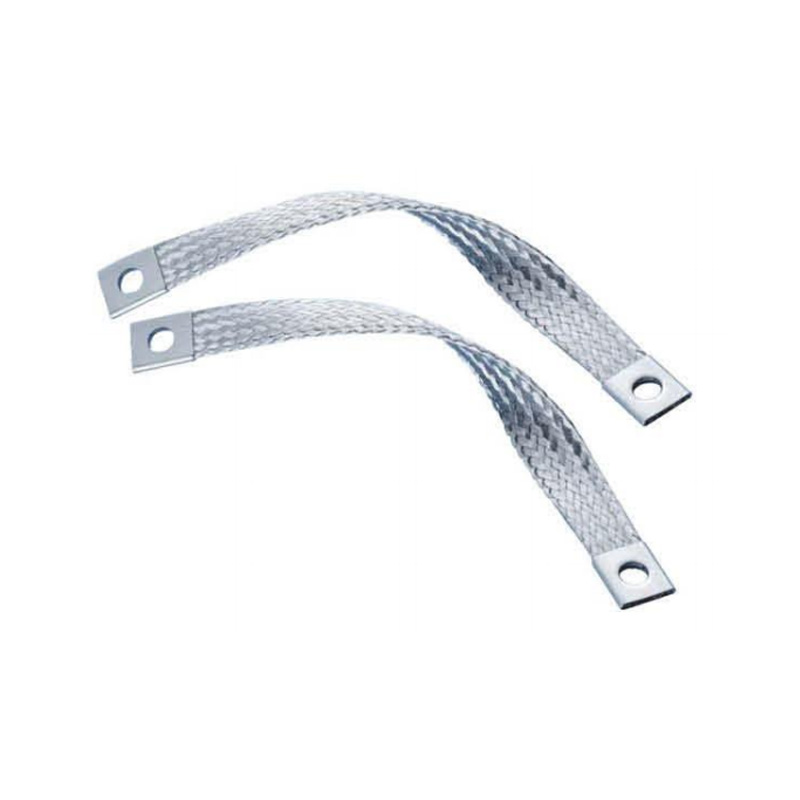
The first method is the tinned or silver-plated terminal, which is attached to the braid by soldering or brazing. This method provides a low-resistance, corrosion-resistant termination. It is suitable for most applications. The second method is the compression lug, which is crimped onto the braid. This method provides a gas-tight connection and is suitable for high-vibration applications. The third method is the bolted connection, where the braid is directly bolted to the busbar or terminal. This method is simple and cost-effective but may require regular retorquing. The fourth method is the welded connection, where the braid is welded directly to the busbar or terminal. This method provides a permanent, low-resistance connection and is suitable for high-current applications.
The factors in selecting the connection method
The selection of the connection method is based on several factors. The current rating determines the required connection area and the method. High-current applications typically require welded or soldered connections. The vibration environment determines the required mechanical strength. High-vibration environments require compression or welded connections. The installation space determines the available connection method. Limited space may require a compact connection method. The maintenance access determines the required serviceability. Bolted connections are easier to service than welded connections.
The selection of end connection methods for copper braid busbars
- Soldered/brazed terminal: low resistance, corrosion-resistant, suitable for most applications, moderate cost
- Compression lug: gas-tight connection, suitable for high-vibration, moderate cost
- Bolted connection: simple, cost-effective, requires retorquing, suitable for low-vibration
- Welded connection: permanent, low-resistance, suitable for high-current, higher cost
What Are the Differences Between the Braided Structure of Braided Flexible Busbars and Laminated Copper Foil?
The structural differences between braided and laminated flexible busbars
Braided flexible busbars and laminated copper foil busbars are both used in applications requiring flexibility. The differences between the braided structure of braided flexible busbars and laminated copper foil are significant and affect the performance of each type.
The braided structure
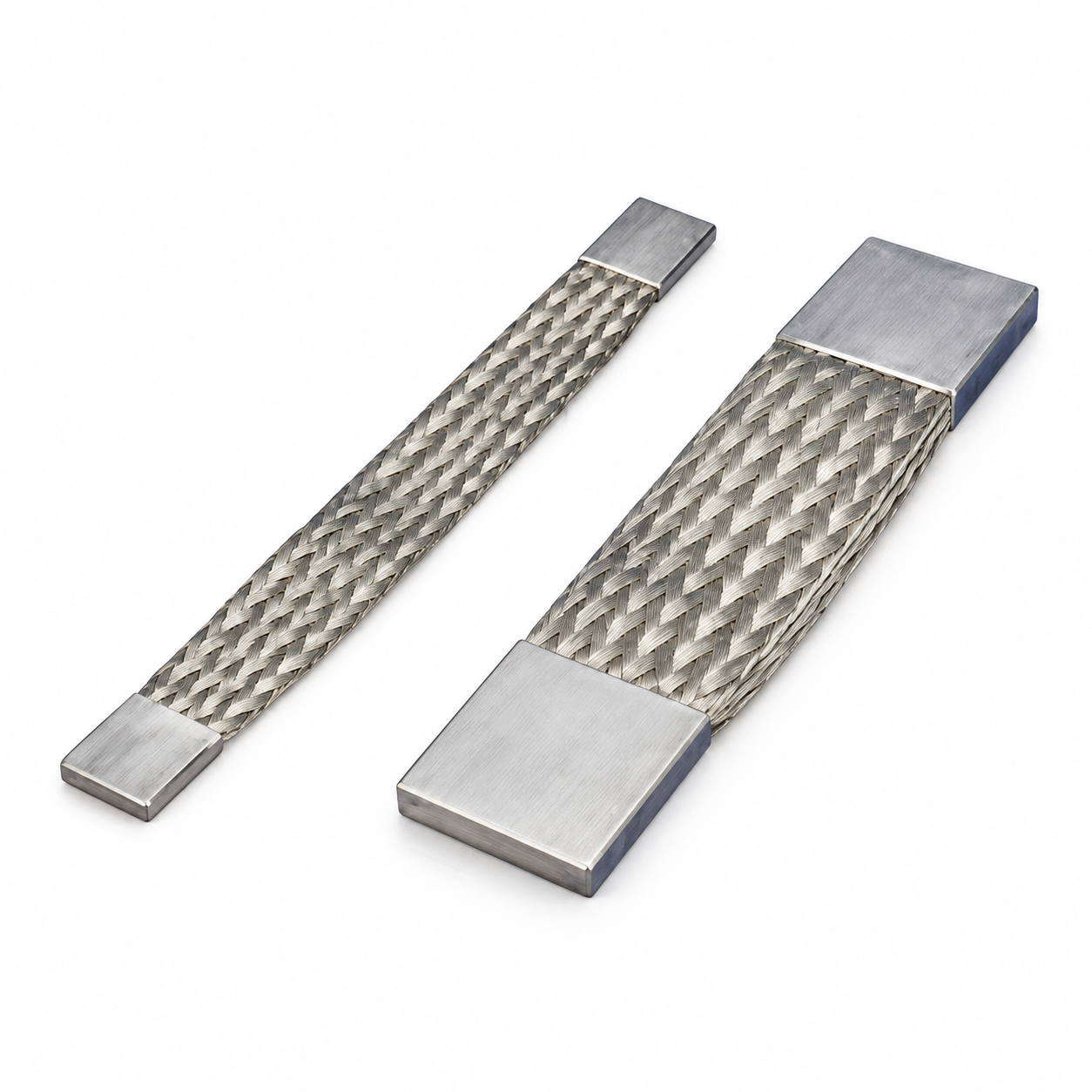
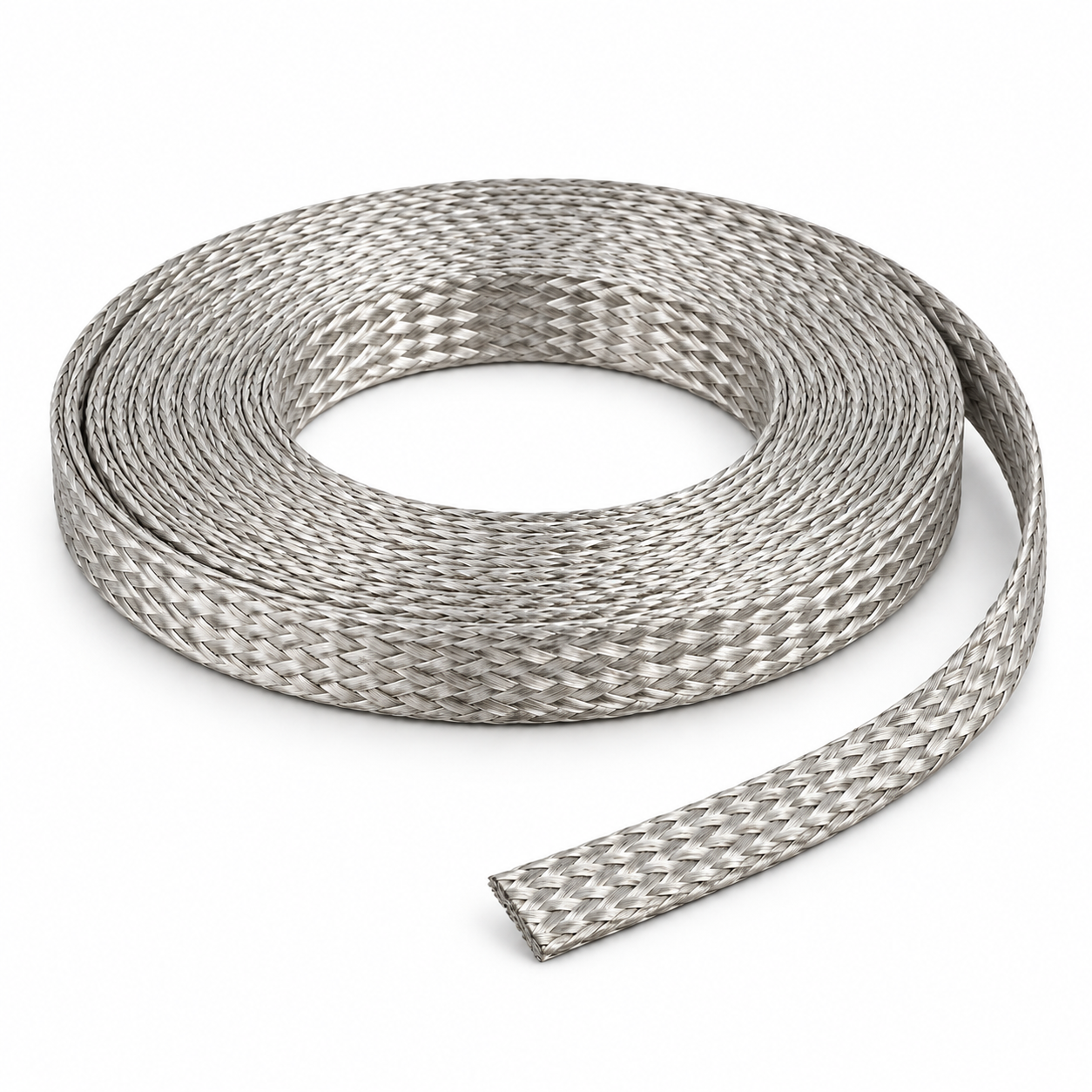
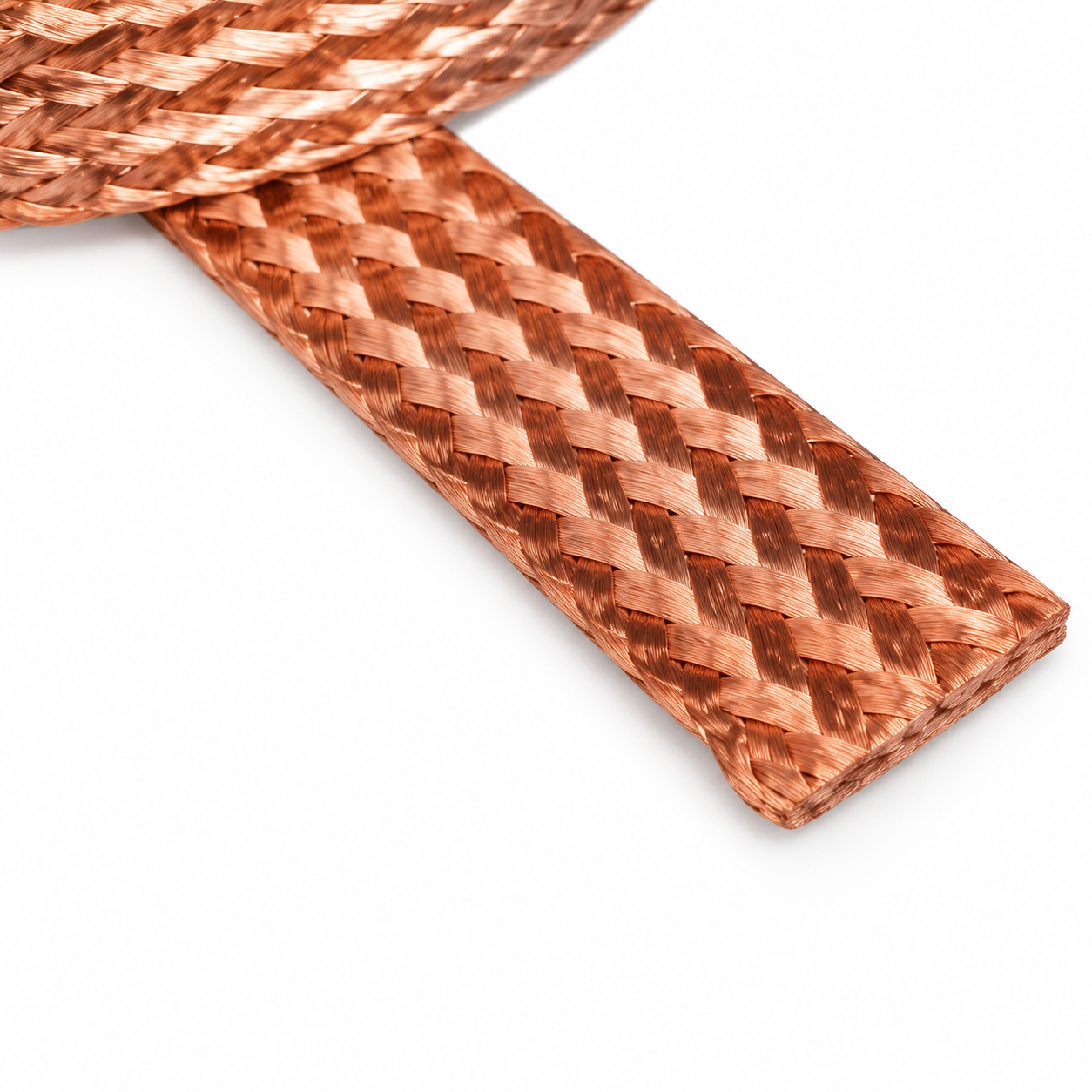
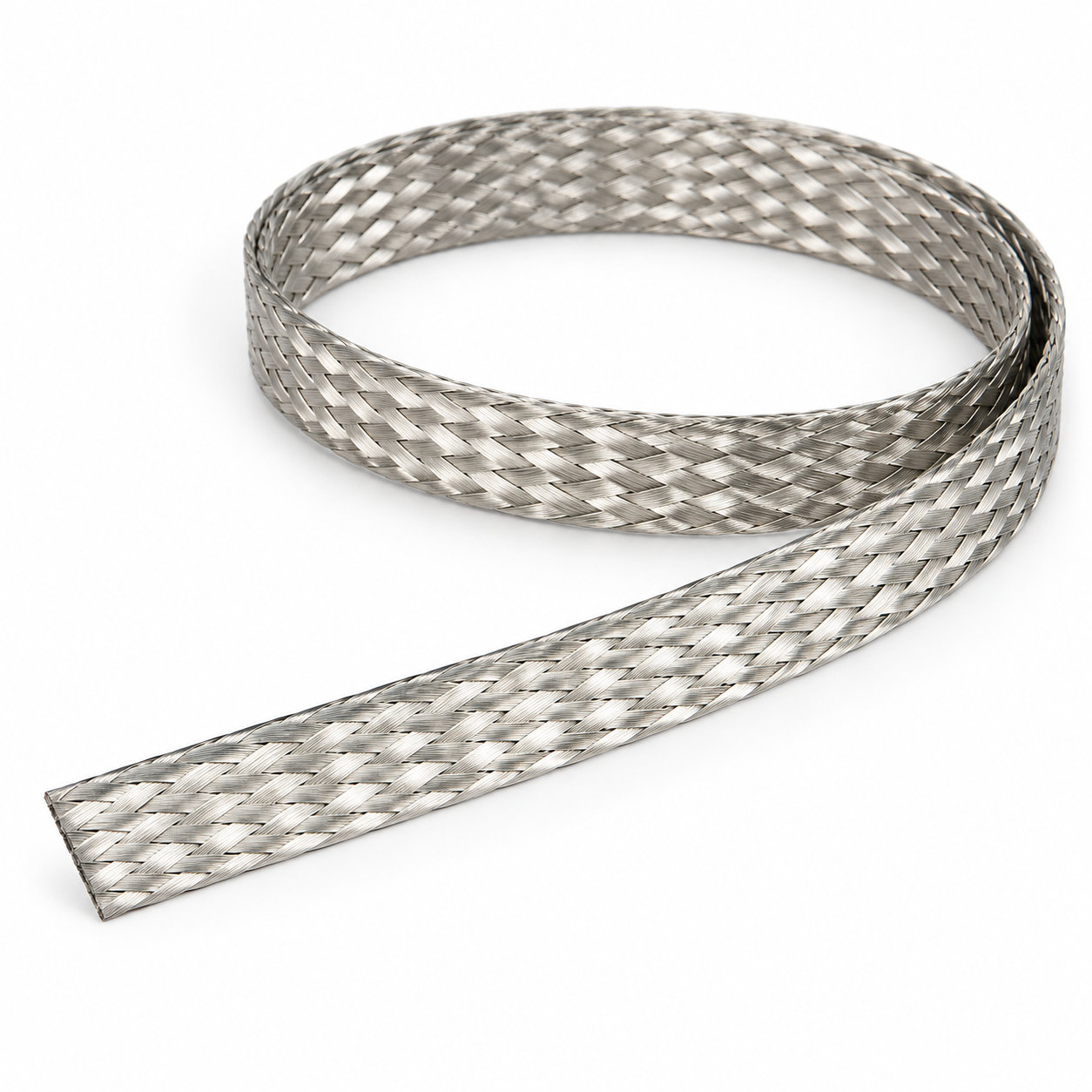
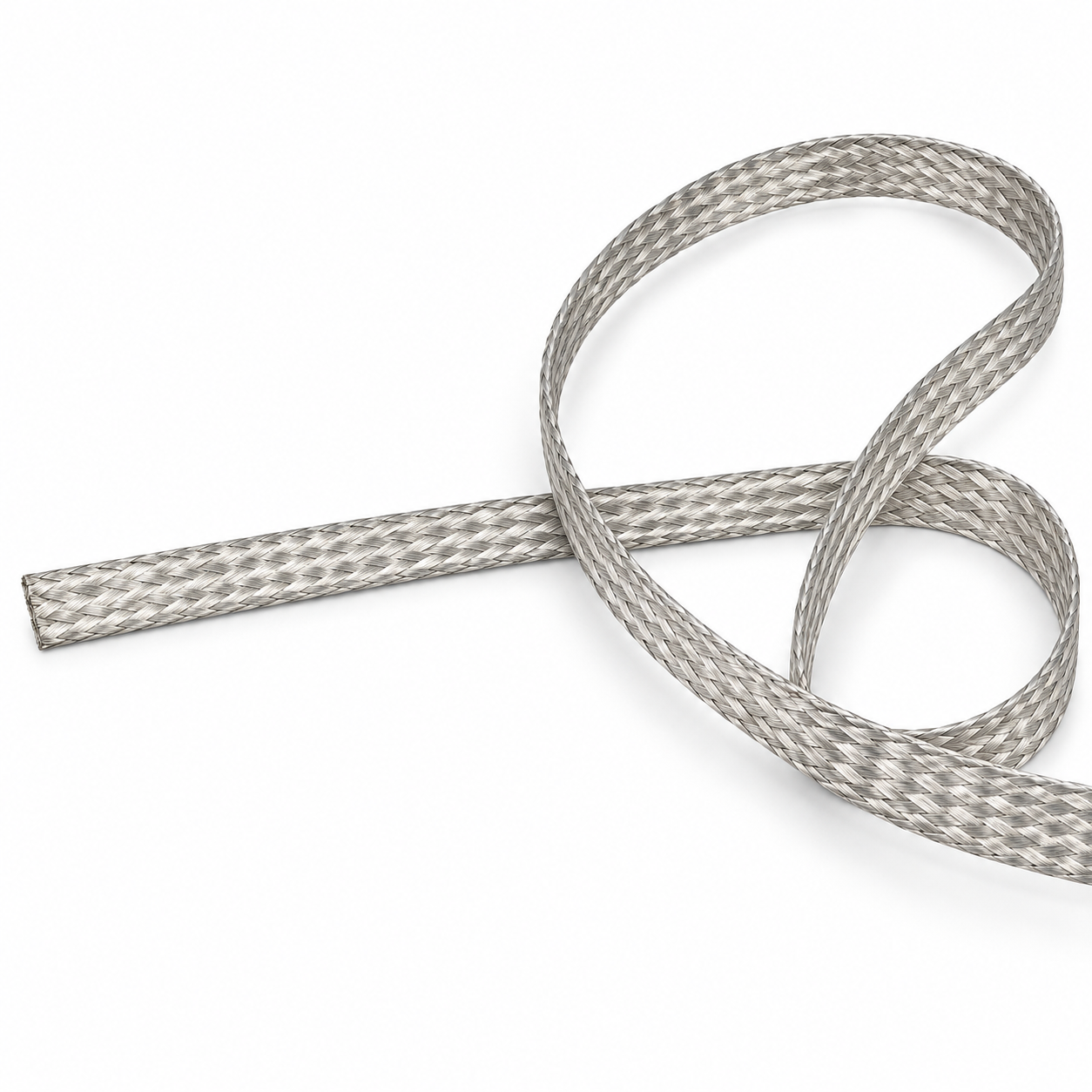
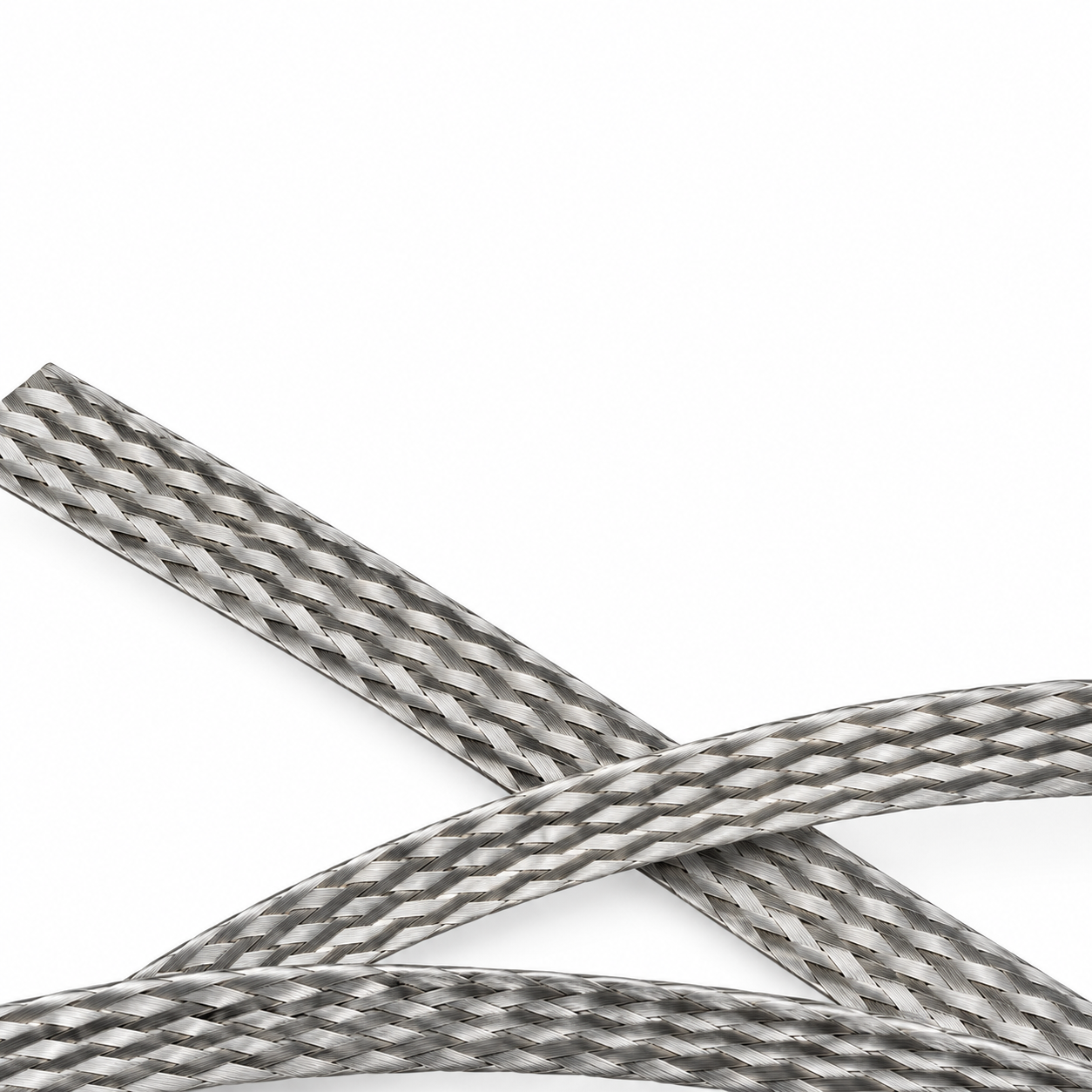
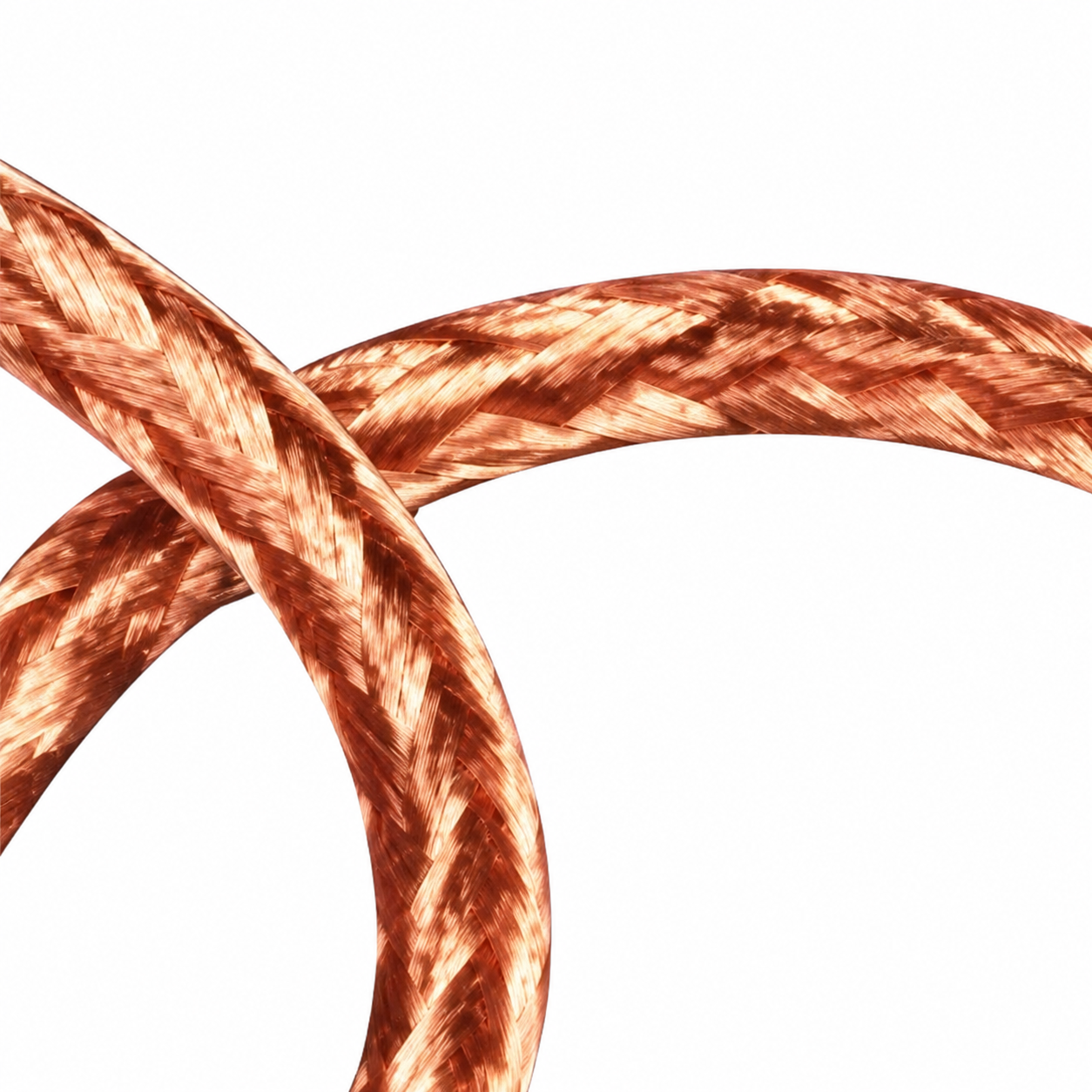
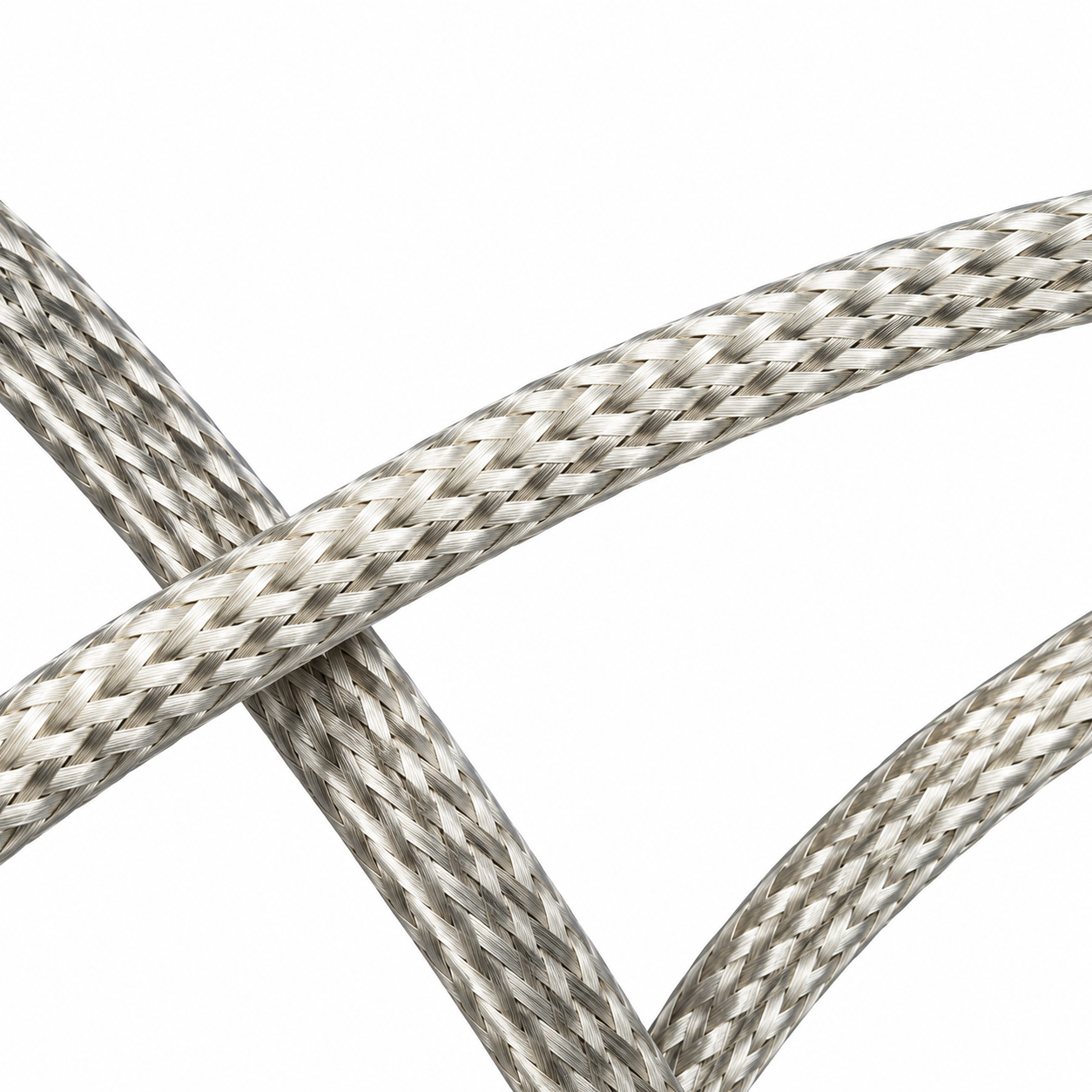
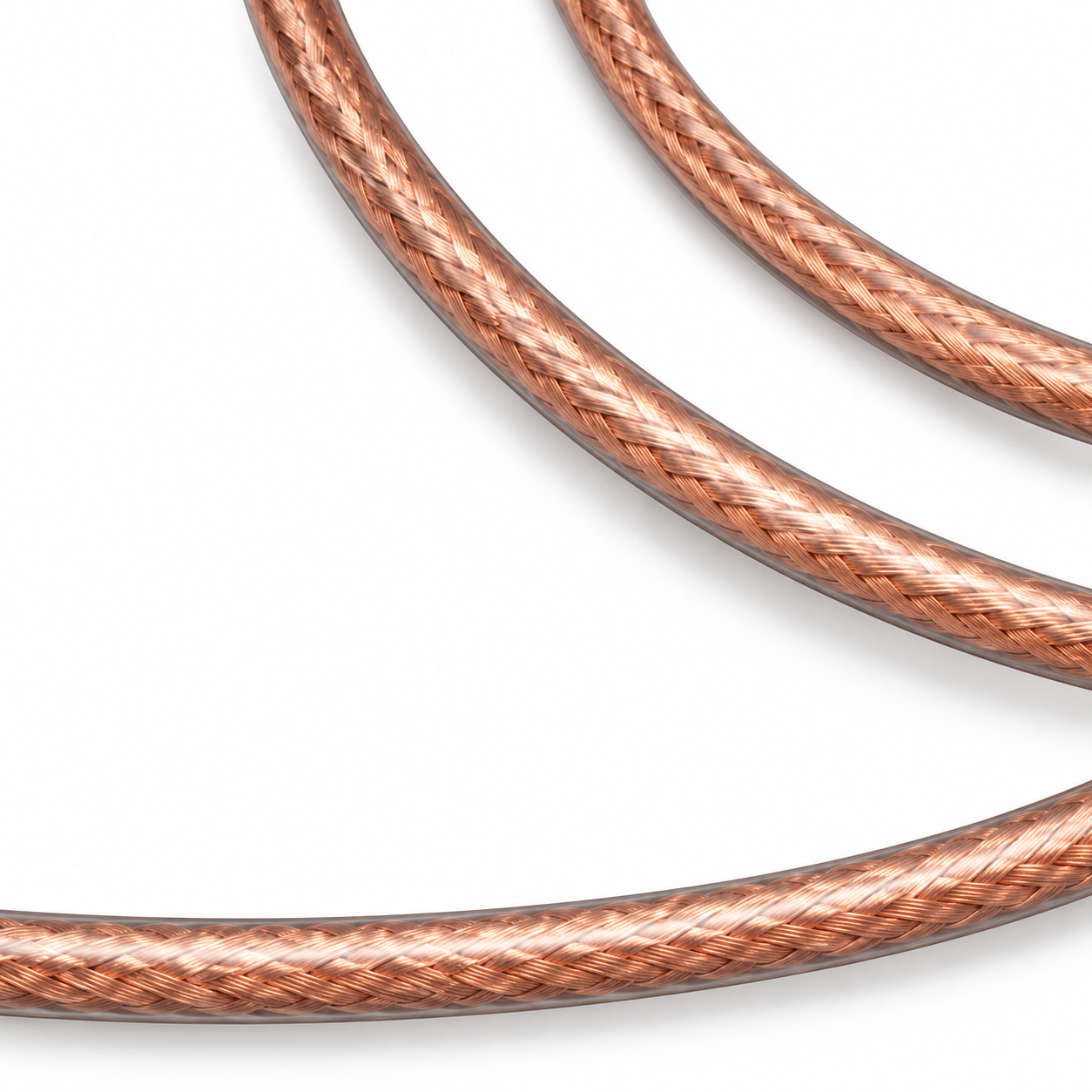
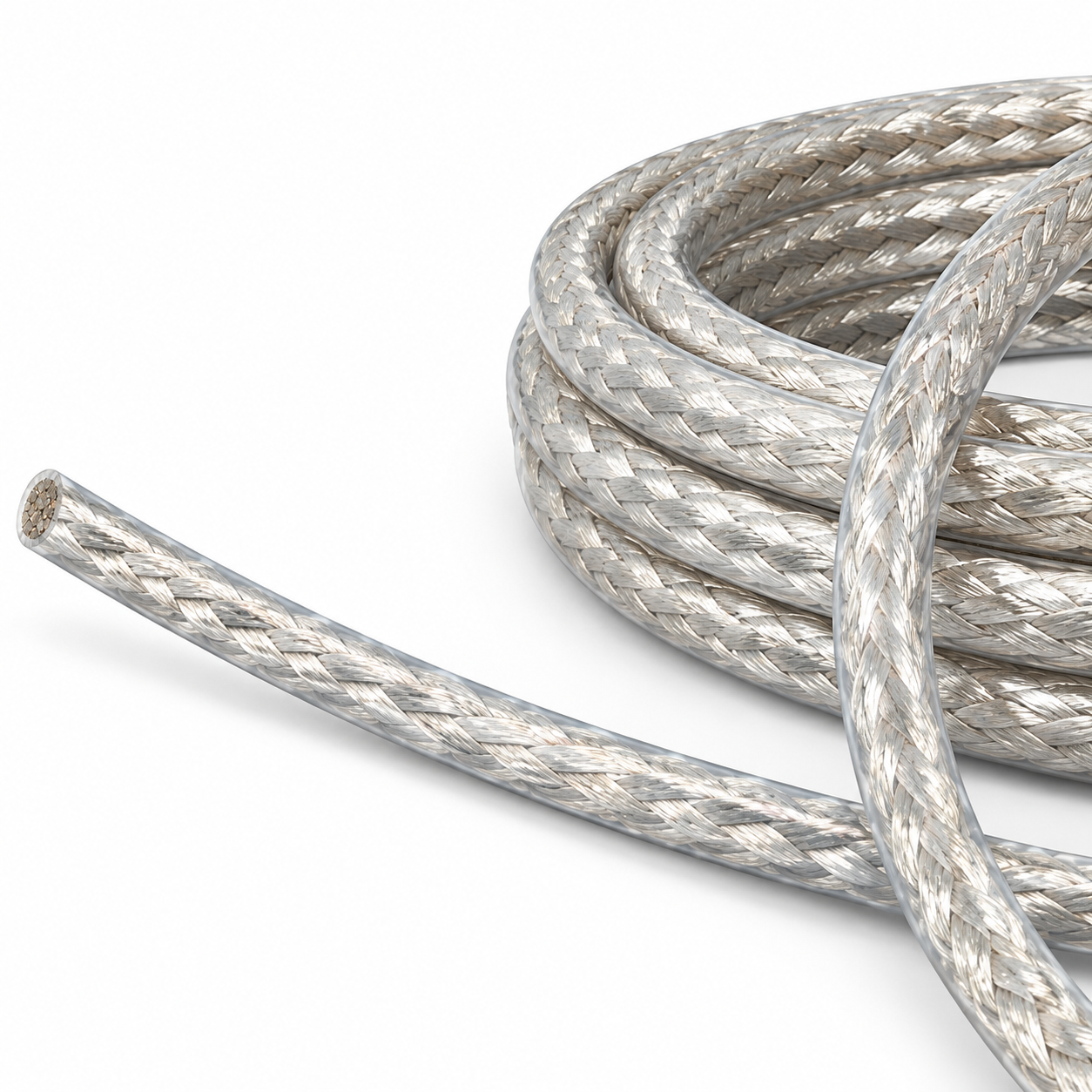
The braided structure consists of multiple strands of fine copper wire woven together. The weave creates a flexible, multi-stranded conductor. The strands are typically 0.1–0.3 mm in diameter. The braid can be flattened or shaped to fit the application. The braid offers flexibility in multiple directions and is suitable for applications requiring movement in multiple planes. The braid also has a high surface area, which is beneficial for heat dissipation and for applications where the conductor is exposed to the air.
The laminated structure
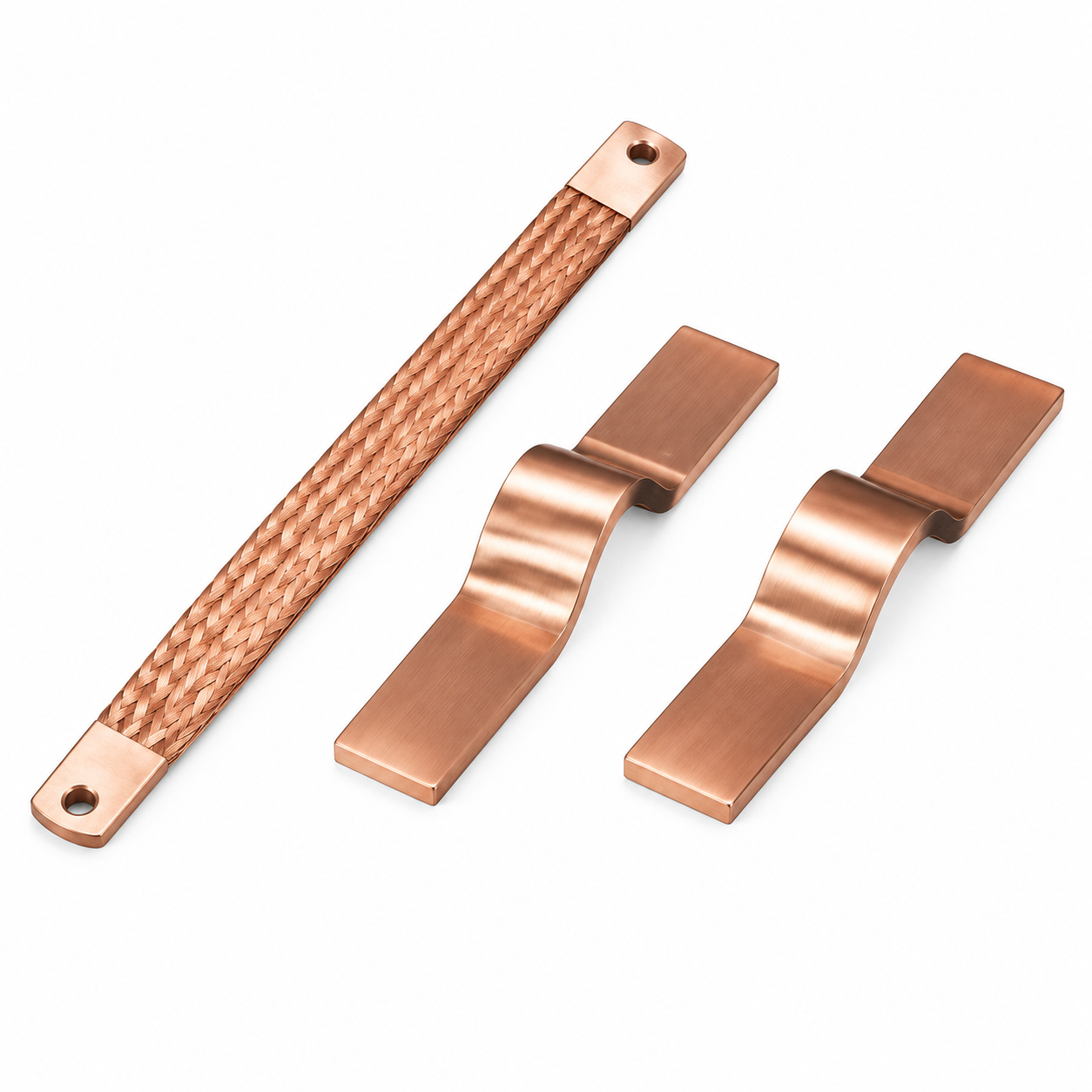
The laminated structure consists of multiple thin layers of copper foil stacked and bonded together. The layers are typically 0.1–0.3 mm thick. The lamination provides a conductor that is flexible in one plane and rigid in others, making it suitable for applications requiring movement in a single direction. The laminated structure provides very low resistance and is more compact for a given current rating than the braid.
The performance differences
The braid offers greater flexibility than the laminate, making it suitable for applications with complex movement. The laminate offers lower resistance for a given cross-section, making it more suitable for high-current applications. The braid is more difficult to connect due to the need to terminate the individual strands. The laminate is easier to terminate with standard busbar connectors.
The Difference of braided and laminated flexible busbars
|
Feature
|
Braided Flexible Busbar
|
Laminated Copper Foil
|
Why the Difference Matters
|
|
Structure
|
Multiple strands woven together
|
Multiple thin layers stacked and bonded
|
Affects flexibility and termination
|
|
Flexibility
|
Multi-directional
|
Single-plane
|
Braid is better for complex movement
|
|
Resistance
|
Higher (due to strand contacts)
|
Lower (solid layers)
|
Laminate is better for high-current
|
|
Surface area
|
High (exposed strands)
|
Lower (layers are bonded)
|
Braid has better heat dissipation
|
|
Termination
|
More complex (strands must be terminated)
|
Simpler (layers can be directly connected)
|
Laminate is easier to connect
|
|
Compactness
|
Less compact
|
More compact
|
Laminate is better for space-constrained applications
|
What Are the Cross-Sectional Shapes and Application Scenarios for Braided Flexible Tapes?
The cross-sectional shapes and applications of braided flexible tapes
Braided flexible tapes are used in a variety of applications requiring a flexible, high-current conductor. The cross-sectional shapes and application scenarios for braided flexible tapes are determined by the installation requirements and the current-carrying capacity.
The flat cross-section
The flat cross-section is the most common shape for braided flexible tapes. The tape is flattened to a rectangular cross-section. This shape provides a high surface area for heat dissipation and is suitable for low-profile applications. The flat tape can be bent in multiple directions and is easily routed in tight spaces.
The round cross-section
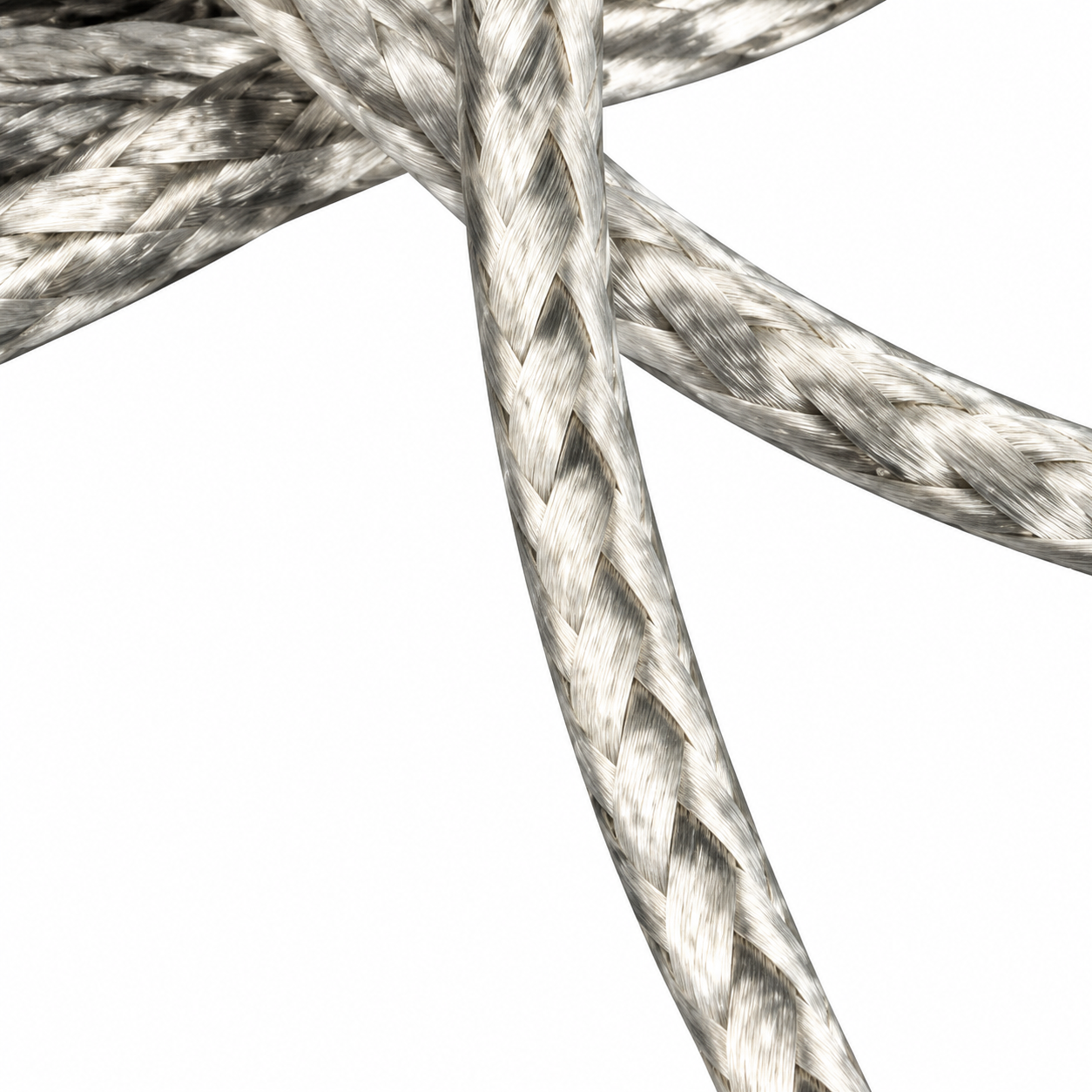
The round cross-section is used when the tape is required to pass through a round opening or is used as a flexible connection in a round busbar system. The round tape has a lower surface area-to-volume ratio than the flat tape, limiting its heat dissipation. The round cross-section is also less common and may be more difficult to terminate.
The rectangular cross-section
The rectangular cross-section is a variation of the flat cross-section with a defined width-to-thickness ratio. This shape provides controlled flexibility and a specific current-carrying capacity. The rectangular tape is used in applications where the width-to-thickness ratio is critical to the performance of the connection.
The cross-sectional shapes and their applications
- Flat cross-section: low-profile applications, multiple-direction bending, high surface area for cooling, common in EV battery connections
- Round cross-section: round busbar systems, pass-through applications, lower surface area, less common
- Rectangular cross-section: controlled flexibility, specific width-to-thickness ratio, critical for performance
- Custom cross-section: tailored to the application, specific shape for space constraints, higher cost
FAQ
Q1: What is the best end connection method for a copper braid busbar?
The best connection method depends on the application. Soldered or brazed terminals are suitable for most applications. Compression lugs are preferred for high-vibration environments. Welded connections are best for high-current, permanent applications. Bolted connections are suitable for low-vibration, serviceable applications.
Q2: What is the difference between a braided busbar and a laminated busbar?
A braided busbar is made from woven strands of copper wire, providing multi-directional flexibility. A laminated busbar is made from stacked layers of copper foil, providing flexibility in a single plane. The braid offers greater flexibility but higher resistance. The laminate offers lower resistance and is more compact.
Q3: What is the most common cross-section for a braided flexible tape?
The flat cross-section is the most common. It provides a high surface area for heat dissipation and is suitable for low-profile applications. The flat tape can be bent in multiple directions and is easily routed in tight spaces.
Q4: How is a braided busbar terminated?
A braided busbar is terminated by attaching a terminal to the braid. The terminal may be soldered, brazed, or crimped onto the braid. The termination method must provide a low-resistance, mechanically secure connection.
Q5: When should a braided busbar be used instead of a laminated busbar?
A braided busbar should be used when multi-directional flexibility is required, such as in applications with complex movement or vibration. A laminated busbar should be used when single-plane flexibility is sufficient and lower resistance and compactness are required.

 English
 Español