 English
 Español

Copper Busbar Manufacturer: The Strip That Carries the Current Through the Panel
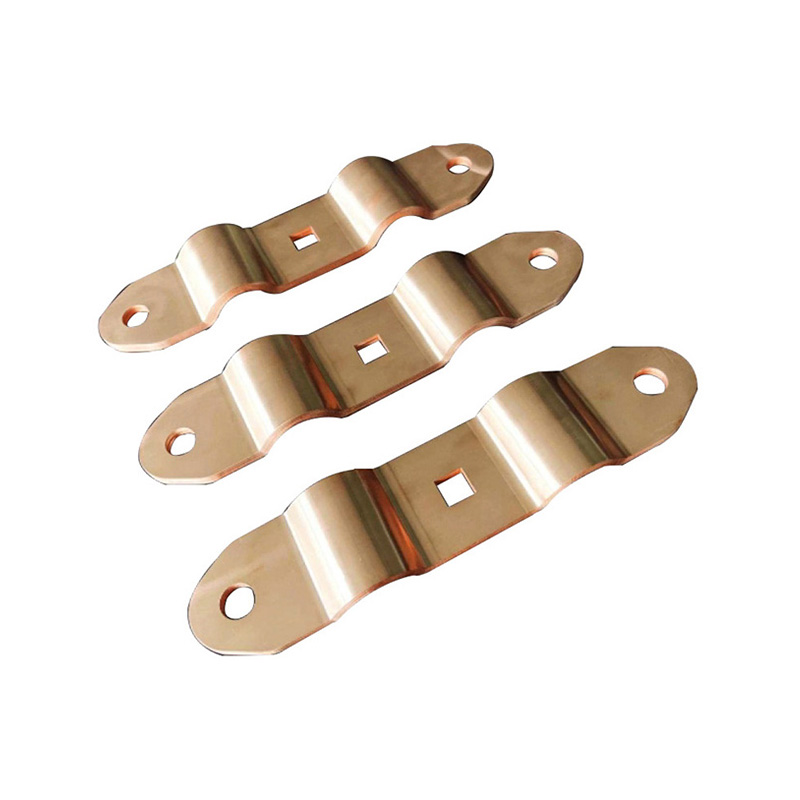
A copper busbar is a flat strip of metal that moves electricity from one point to another inside a switchboard, a battery pack, or a distribution cabinet. It is not a cable. It is a solid conductor, bolted or welded at the ends, sized for the current the circuit carries. The copper busbar manufacturer produces the strip in the tempers, the widths, and the finishes the panel builders need. The busbar is simple. The current it carries is not.
Content
Copper Still Beats Aluminum for the Hard Jobs
Copper conducts better than aluminum by volume. It takes a smaller cross-section to carry the same current, which matters in a tight enclosure. It also holds a bolted joint better because it does not form the tenacious oxide that aluminum does. The copper busbar manufacturer produces the strip in the electrical grade, the low-oxygen copper that keeps the conductivity where it belongs.
Aluminum has its place. It is lighter and cheaper. But for the high-current joints and the tight spaces, copper is still the default. The panel builder who has the room and the budget chooses copper.
The Temper Decides How It Bends
Copper busbar comes in soft, half-hard, and hard tempers. The soft temper bends easily and is used for the complex shapes. The hard temper holds its shape and resists the deformation under the short-circuit forces. The half-hard is the middle ground for most panel work.
The copper busbar manufacturer produces the strip in the temper the fabrication needs. A bar that is too hard cracks at the bend. One that is too soft deforms under the load.
The Plating Protects the Joint
The copper surface oxidizes. The oxide is not a good conductor. The busbar is plated, usually with tin or silver, to keep the joint stable. The tin plating is the general-purpose choice. The silver plating gives the lower contact resistance for the high-current joints. The nickel plating resists the corrosion and the wear.
The copper busbar manufacturer plates the bar after the fabrication. The plating covers the holes, the bends, and the cut edges. A bar with incomplete plating corrodes at the exposed copper and the joint heats.
Here is what a copper busbar manufacturer has to deliver:
- Electrical-grade copper with the certified conductivity
- The temper for the bending and the forming
- Tin, silver, or nickel plating for the joint
- Deburred edges and the finished surfaces
- Bends, holes, and the custom profiles
- The insulation service where the bar needs it
Where the Copper Busbar Goes
The switchgear builder uses the copper busbar for the main connections. The bar carries the full current of the panel. The battery pack builder uses it for the cell connections. The inverter and the renewable energy builder use it for the DC and the AC connections.
The Joint That Heats Up
A loose or unplated joint overheats. The resistance climbs and the heat follows. The copper busbar with the proper plating and the torque-specified fasteners avoids it. The bar that is undersized for the current runs hot. The right cross-section handles the load.
A copper busbar manufacturer produces the conductor that carries the current through the panel. The copper is the right grade. The plating is the right finish. The bar is the right shape. Choose a manufacturer that certifies the conductivity and controls the plating.
Driven by the development of new energy and aiming for "zero carbon".
Copyright © Zhejiang Zhongyan New Energy Co., Ltd. All Rights Reserved.
