 English
 Español

Flexible Busbar PVC Coated: Why the Panel Designer Reaches for the Laminated Bar
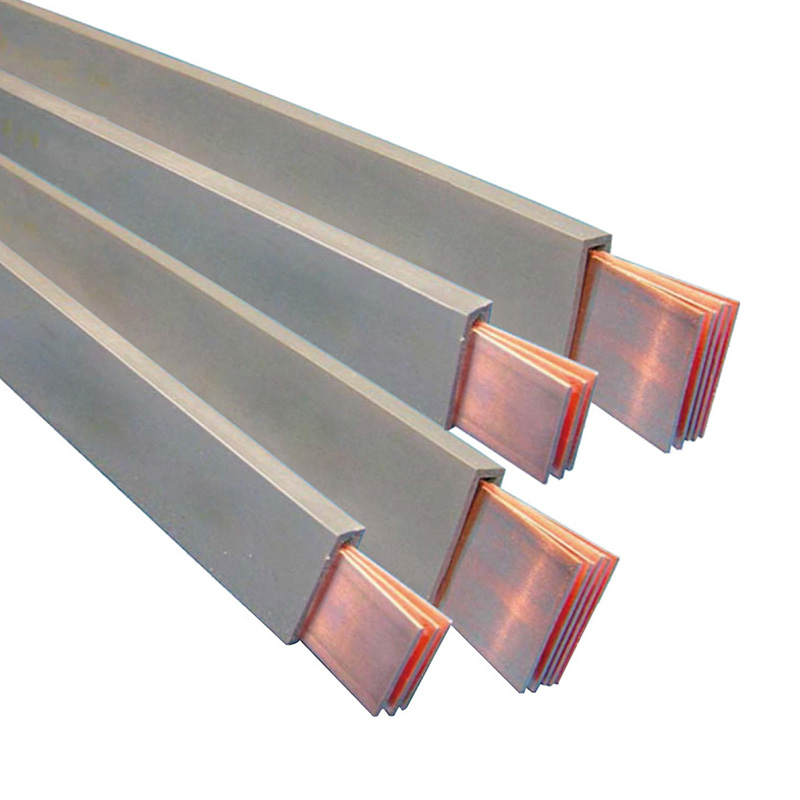
A rigid copper bar has one shape. It carries current in a straight line and it stays in that line unless someone bends it with a press. A Flexible Busbar PVC Coated does not have one shape. It is a stack of thin copper foils laminated together, coated in PVC, and it bends by hand to follow the route the panel actually needs. That is the whole reason it exists.
Content
The Layers Slide, and That Is the Design
A solid copper bar of the same cross-section would resist the bend and crack at the crease. The flexible busbar is built from many thin sheets, each one free to slide against the others in the middle of the stack. The ends are bonded solid. The middle moves. The bar bends without work-hardening the copper and without cracking.
The number of layers and the thickness of each one set the current capacity and the bend radius. More layers, more current. Thinner layers, tighter bend. The engineer picks the stack for the two numbers at the same time.
PVC Is Not Just a Cover
The PVC coating is the insulation and the armor in one. It is extruded or dipped over the laminated stack and it bonds to the copper. The coating thickness sets the dielectric rating. The compound sets the flexibility and the resistance to the oil, the moisture, and the chemicals inside the enclosure.
A coating that is too stiff cracks when the installer bends the bar to fit. A coating that is too soft abrades against the frame. The right compound bends with the copper and holds through the installation and the service life.
The Ends Are Solid, and They Have to Be
The lamination stops at the termination. The layers are compressed and bonded into a solid block, then tinned or fitted with a lug. The bolt or the weld lands on the solid end, not on the flexible middle. That is where the current transfers from the busbar to the terminal.
A termination that is not solid enough deforms under the bolt torque and the resistance climbs. A termination that is too thick does not fit the terminal. The end is the part the designer does not see until the installation.
Here is what the laminated bar has to get right:
- Foil stack sized for the current and the bend radius
- PVC compound that stays flexible through the bend
- Coating thickness matched to the voltage
- Solid, tinned, or lugged terminations
- Bond between the coating and the copper
- Traceability for the automotive and industrial programs
Where the Panel Cannot Use a Rigid Bar
The EV battery pack connects modules that do not align superbly and vibrate constantly. The flexible bar absorbs the movement. The inverter routes current through a space that has no straight line. The industrial switchgear has to absorb the thermal expansion and the assembly tolerance. In each case, the rigid bar would need a custom bend and a stress relief. The flexible bar bends by hand and arrives already the right shape.
What the Buyer Actually Pays For
The copper is not the premium. The lamination process and the coating are. The factory that can stack the foils evenly, bond the ends solid, and coat the stack without trapping air is the factory that ships a bar that bends without cracking and insulates without failing. The price difference between suppliers is usually the difference in those two steps.
A flexible busbar PVC coated is a conductor that takes the shape of the route instead of forcing the route to take the shape of the conductor. The layers slide. The coating protects. The ends terminate.
Driven by the development of new energy and aiming for "zero carbon".
Copyright © Zhejiang Zhongyan New Energy Co., Ltd. All Rights Reserved.
