The Corrosion-Resistant Busbar: Surface Treatments, UV Resistance, and Installation Best Practices
How Should the Surface of Anti-Corrosion Copper Busbars Be Treated to Prevent Corrosion?
The surface treatment of anti-corrosion copper busbars
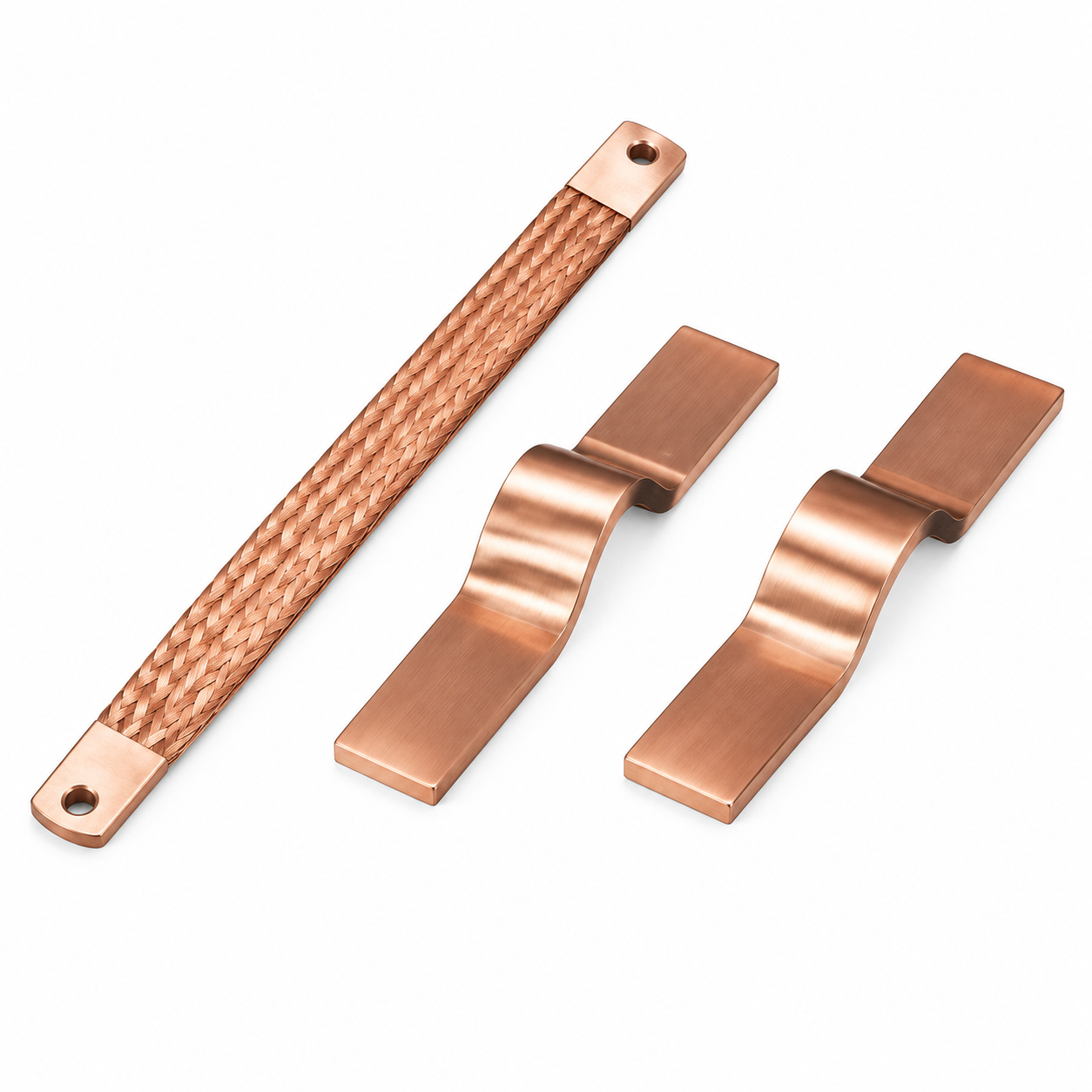
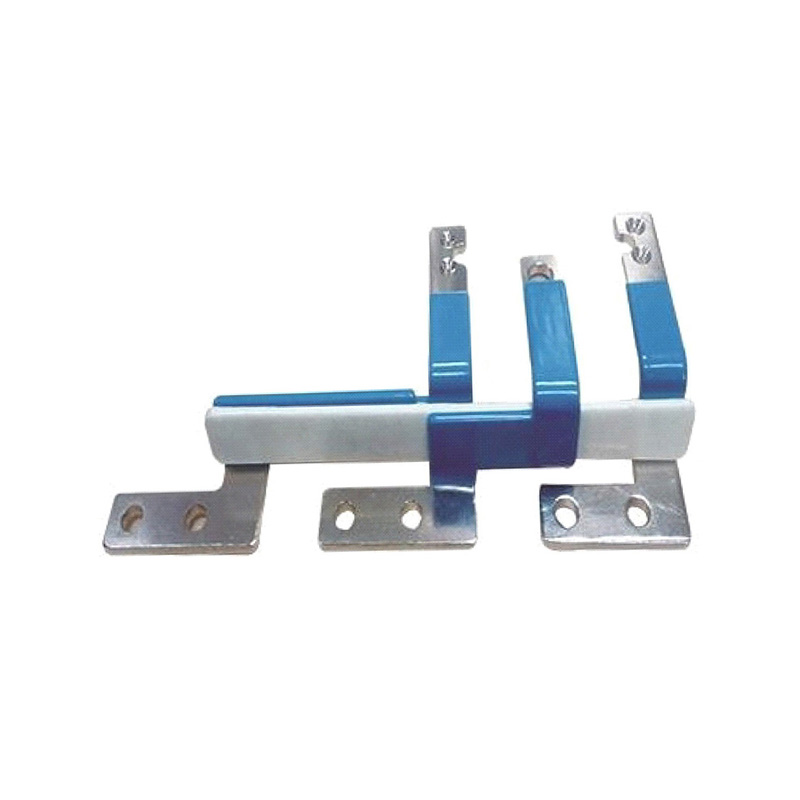
Copper busbars are susceptible to corrosion in humid, salty, or chemically aggressive environments. How the surface of anti-corrosion copper busbars should be treated to prevent corrosion involves the application of protective coatings or surface modifications that shield the copper from the environment.
The tinning process
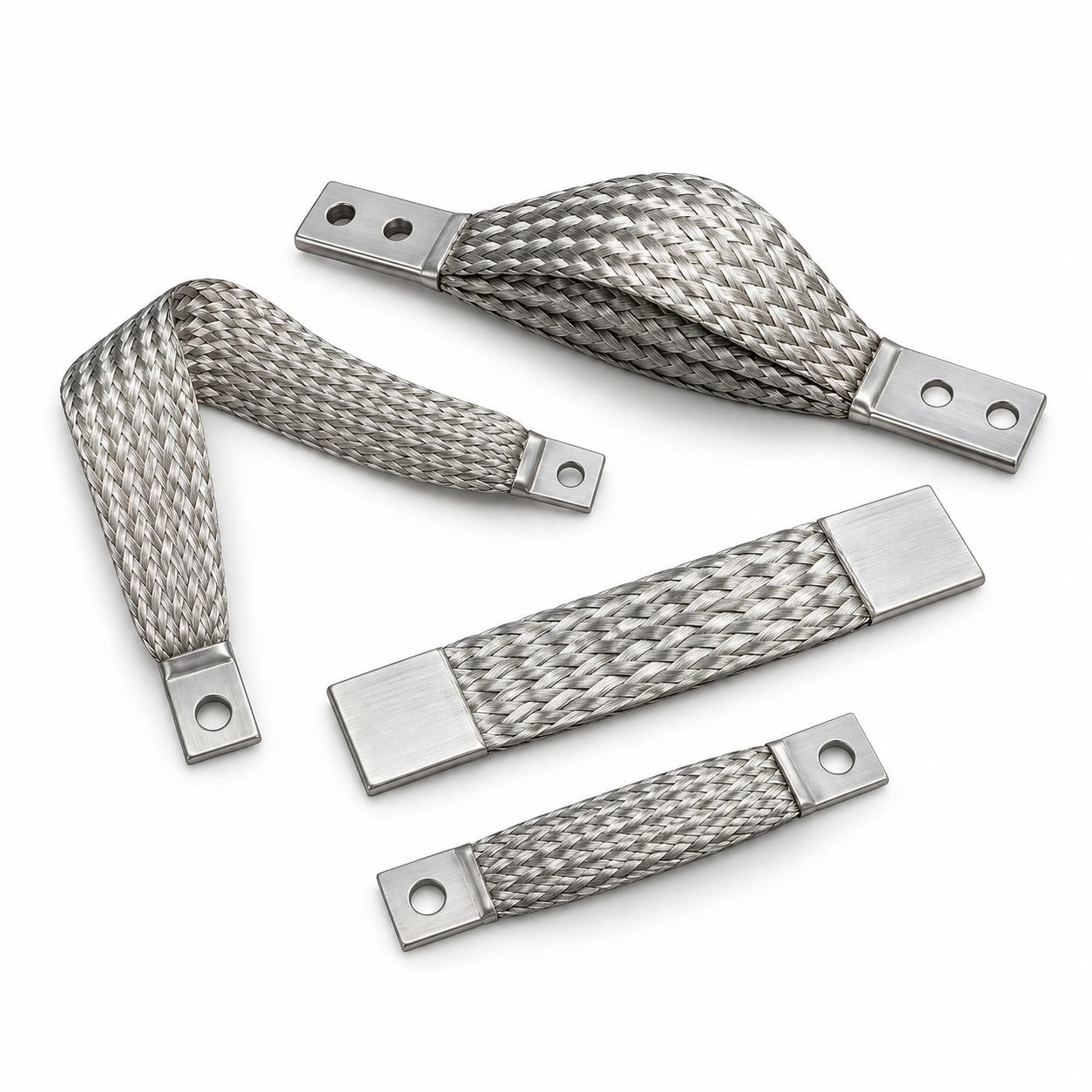
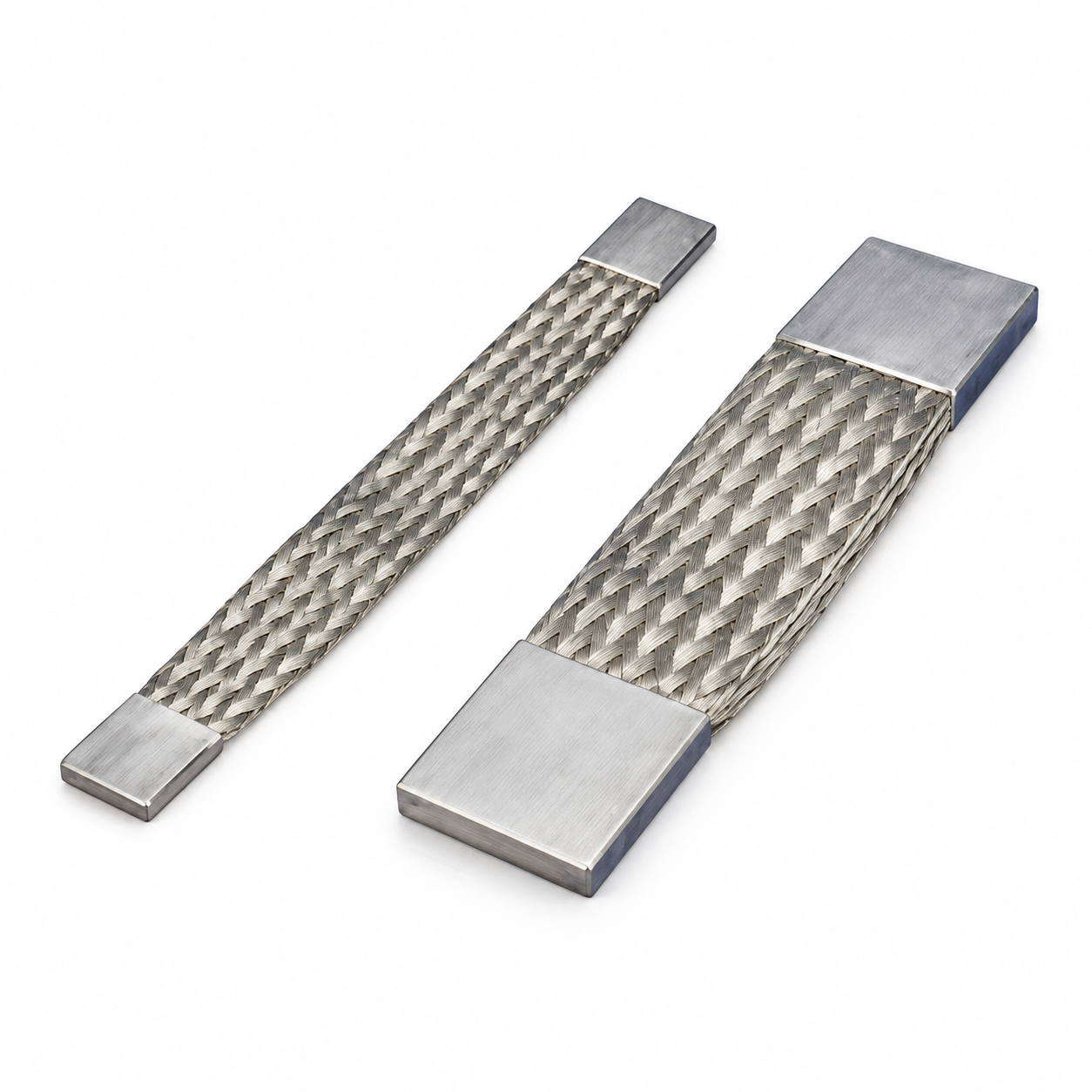
Tinning is one of the most common and cost-effective methods for protecting copper busbars. A thin layer of tin is applied to the copper surface through electroplating or hot-dip coating. The tin layer provides a barrier against moisture and corrosive chemicals while maintaining good electrical conductivity at the connection points. Tinning is widely used in switchgear and power distribution applications.
The silver plating process
Silver plating involves electroplating a thin layer of silver onto the copper surface. Silver provides excellent corrosion resistance and the highest electrical conductivity among plating materials, making it ideal for high-current connections where low contact resistance is required. This treatment is commonly used in high-power applications and is the preferred choice for critical busbar connections requiring maximum performance.
The nickel plating process
Nickel plating provides a hard, corrosion-resistant surface that offers good protection in moderate environments. The nickel layer also provides a barrier against galvanic corrosion when the busbar is connected to dissimilar metals. This treatment is suitable for industrial environments where moderate corrosion protection is needed.
The anodizing and other treatments
For aluminum busbars, anodizing creates a protective oxide layer on the surface. This layer provides excellent corrosion resistance and electrical insulation where required. Other treatments include powder coating and epoxy coating, which provide additional chemical and mechanical protection.
Table: surface treatment methods for anti-corrosion copper busbars
|
Treatment
|
Process
|
Corrosion Resistance
|
Conductivity Impact
|
Best Application
|
|
Tinning
|
Electroplating or hot-dip tin
|
Good
|
Minor
|
Switchgear, power distribution, general applications
|
|
Silver plating
|
Electroplated silver
|
Excellent
|
Minimal (highest conductivity)
|
High-current connections, critical applications
|
|
Nickel plating
|
Electroplated nickel
|
Moderate
|
Minor
|
Industrial environments, moderate corrosion protection
|
|
Bare copper with protective coating
|
Coating applied over copper
|
Moderate
|
Minimal (at connection points)
|
Indoor applications, limited exposure
|
|
Anodizing
|
Electrochemical oxide layer
|
Excellent (aluminum)
|
Insulating
|
Aluminum busbars, corrosive environments
|
How Do Solar Busbars Withstand UV Exposure and Temperature Cycling?
The UV and temperature cycling resistance of solar busbars
Solar busbars are exposed to harsh outdoor environments, including UV radiation and extreme temperature variations. How solar busbars withstand UV exposure and temperature cycling is achieved through material selection and protective design.
UV resistance strategies
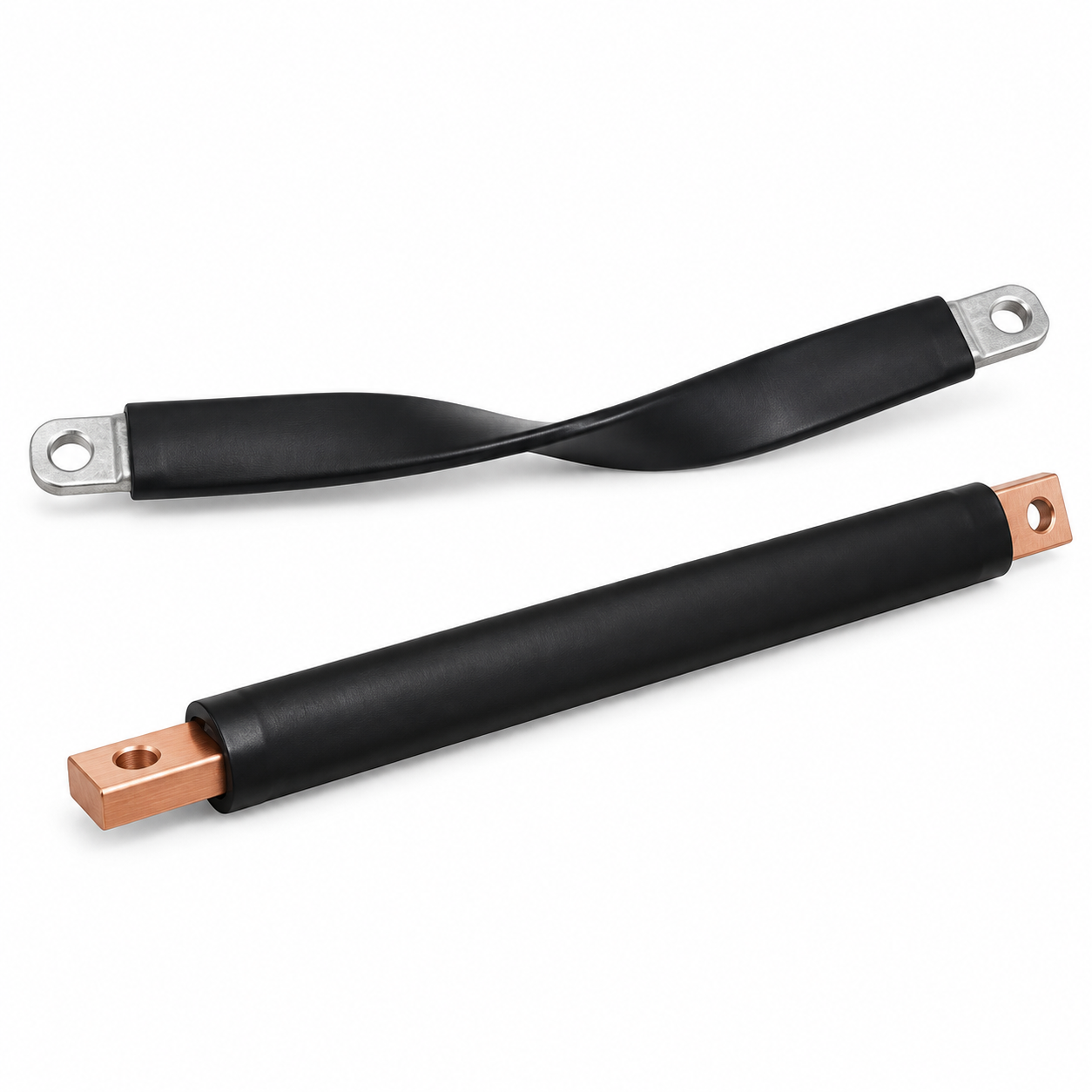
The busbar insulation is the primary defense against UV radiation. Materials such as cross-linked polyethylene (XLPE) and silicone provide excellent UV resistance without degrading. The insulation is formulated with UV stabilizers that absorb or reflect UV radiation, preventing the breakdown of the polymer chains. Some solar busbars are also housed in UV-resistant enclosures that protect the conductors from direct UV exposure.
Temperature cycling resistance strategies
Temperature cycling causes expansion and contraction of the busbar material, which can lead to stress and fatigue. The busbar is designed with expansion loops or flexible connections that accommodate thermal expansion. The materials are selected for their thermal stability, and connections are designed to maintain clamping force over a wide temperature range. Belleville washers or spring washers are used to maintain contact pressure.
The performance requirements for solar busbars
- UV resistance: insulation must not degrade under prolonged UV exposure, requiring UV-stabilized materials such as XLPE or silicone
- Temperature cycling: must withstand repeated temperature cycles without loosening connections or cracking insulation; tested to IEC 61215 or similar standards
- Moisture resistance: must resist moisture ingress, requiring sealed enclosures and moisture-resistant insulation
- Thermal expansion: must accommodate expansion and contraction without fatigue or failure, requiring expansion loops or flexible connections
The installation and maintenance of power distribution busbars
Power distribution busbars are the backbone of electrical distribution systems. How power distribution busbars should be correctly installed and maintained involves following proper procedures for installation, inspection, and maintenance.
Installation requirements
The busbar must be supported at regular intervals to prevent sagging and to maintain clearance from other conductors and grounded surfaces. The supports must be non-conductive or properly insulated. Connections must be made using the correct torque to ensure a secure, low-resistance connection. The busbar must be aligned correctly to prevent stress on the connections. The insulation must be inspected before installation to ensure there are no defects.
Maintenance requirements
The busbar should be inspected periodically for signs of overheating, such as discoloration or charring. Connections should be checked for tightness and retorqued as required. The busbar should be cleaned to remove dust and debris that could affect cooling or insulation. The insulation should be inspected for signs of damage or degradation.
The installation and maintenance best practices
- Support the busbar: support at regular intervals to prevent sagging; use insulated supports to avoid grounding
- Make proper connections: use correct torque; clean contact surfaces; apply joint compound if required
- Align correctly: avoid stress on connections; provide expansion loops for long runs
- Inspect insulation: check for nicks, cuts, or other damage before and during installation
- Periodic inspection: check for overheating, loose connections, and insulation damage; use thermal imaging if available
- Clean as required: remove dust and debris; avoid using abrasive cleaners that could damage insulation
How Do You Select Power Storage Busbars Based on Operating Conditions?
The selection of power storage busbars based on operating conditions
Power storage busbars are used in battery energy storage systems (BESS), where they must handle high currents and operate in varying environmental conditions. How you select power storage busbars based on operating conditions involves evaluating the current, temperature, and environmental requirements.
The current and temperature requirements
The current rating determines the required cross-sectional area of the busbar. The operating temperature range determines the material and insulation selection. For high-current applications, the busbar must have a low resistance to minimize heat generation. For high-temperature applications, the busbar must be made from materials that maintain their strength at elevated temperatures.
The environmental conditions
The installation environment determines the required corrosion resistance and ingress protection. For outdoor installations, the busbar must be corrosion-resistant and protected from UV radiation. For indoor installations, the busbar may be less protected. The humidity and chemical exposure also matter; the busbar must resist any corrosive elements present.
The selection criteria for power storage busbars
- Current rating: determines the cross-sectional area; must be sufficient for the maximum current without exceeding the allowable temperature rise
- Temperature range: determines the material and insulation; high-temperature applications require materials with good thermal stability
- Corrosion resistance: required for outdoor or high-humidity environments; tinning, silver plating, or other treatments may be required
- Ingress protection: required for outdoor or dusty environments; IP rating must be appropriate for the installation
- Connection method: must be compatible with the storage system; bolted, crimped, or welded connections may be used depending on the application requirements
FAQ
Q1: What is the most common surface treatment for copper busbars?
Tinning is the most common surface treatment for copper busbars, providing good corrosion resistance with low cost. Silver plating is used for high-current connections where maximum conductivity is required.
Q2: What insulation material is best for solar busbars?
Cross-linked polyethylene (XLPE) and silicone are the best insulation materials for solar busbars due to their excellent UV resistance, temperature resistance, and durability in outdoor environments.
Q3: How often should power distribution busbars be inspected?
Power distribution busbars should be inspected annually in normal conditions, and more frequently in harsh environments or high-load applications. Thermal imaging can be used to detect hot spots that may indicate connection issues.
Q4: What factors determine the selection of a busbar for energy storage applications?
The selection is determined by the current rating, operating temperature range, environmental conditions (corrosion, ingress protection, UV exposure), and connection method. The busbar must meet the electrical requirements and withstand the operating environment.
Q5: How do you prevent corrosion in aluminum busbars?
Aluminum busbars can be protected by anodizing, which creates a protective oxide layer. Tinned or silver-plated copper connections should be used when connecting aluminum to copper to prevent galvanic corrosion. Joint compound may also be applied to connection surfaces to prevent moisture ingress.

 English
 Español