The Flexible Busbar Standard: Terminations, Insulation, and Structural Choices
What Are the Terminal Connection Methods for Flexible Busbars?
The terminal connection methods for flexible busbars
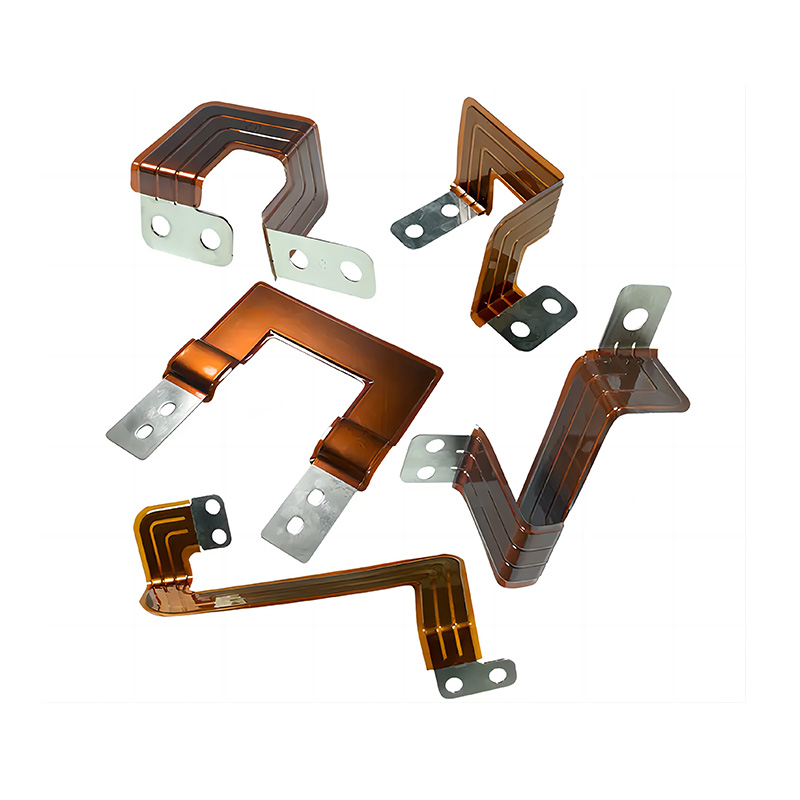
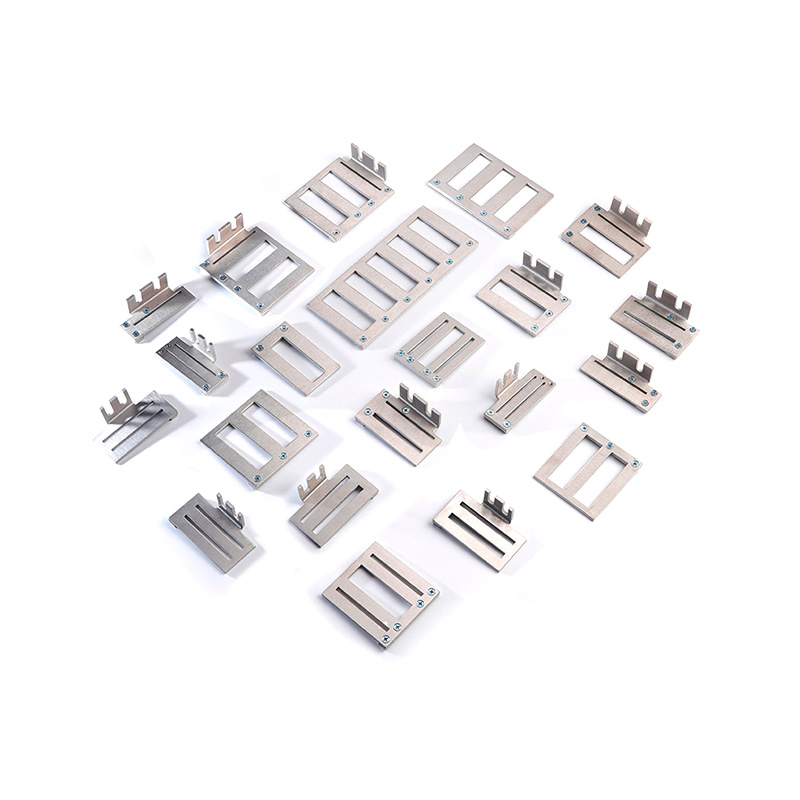
Flexible busbars require specialized termination methods to accommodate the flexible conductor structure. The terminal connection methods for flexible busbars are designed to provide a low-resistance, mechanically secure connection while maintaining the flexibility of the conductor.
The soldered and brazed connections
Soldered or brazed terminals are the most common termination method for flexible busbars. The terminal is attached to the busbar using a solder or braze alloy, creating a permanent, low-resistance connection. This method is suitable for most applications and provides a reliable termination.
The crimped connections
Crimped connections use a compression lug that is mechanically crimped onto the busbar. The crimping process creates a gas-tight connection that is resistant to vibration. This method is suitable for high-vibration applications and provides a reliable, low-resistance connection. The crimp must be properly specified to ensure the correct deformation.
The bolted connections
Bolted connections are used when the busbar must be removable or serviceable. The busbar is directly bolted to the terminal or busbar using a bolted joint. This method is simple and cost-effective but may require regular retorquing to maintain the connection integrity.
The welded connections
Welded connections are used for permanent, high-current applications. The busbar is welded directly to the terminal or busbar, creating a permanent, low-resistance connection. This method is suitable for high-current applications where the connection will not need to be serviced.
What Are the Application Scenarios and Selection Considerations for Flexible Copper Busbars?
The application scenarios and selection considerations for flexible copper busbars
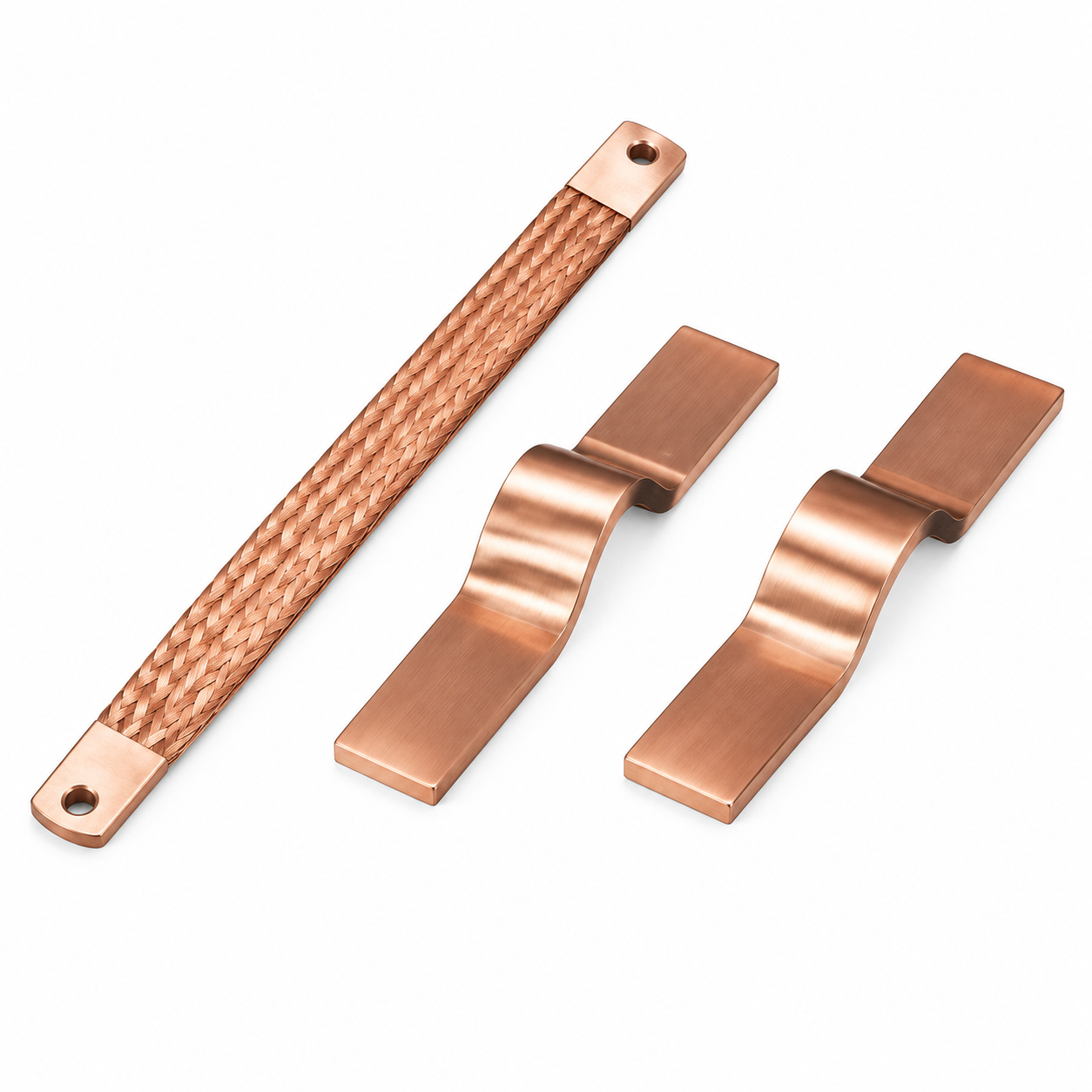
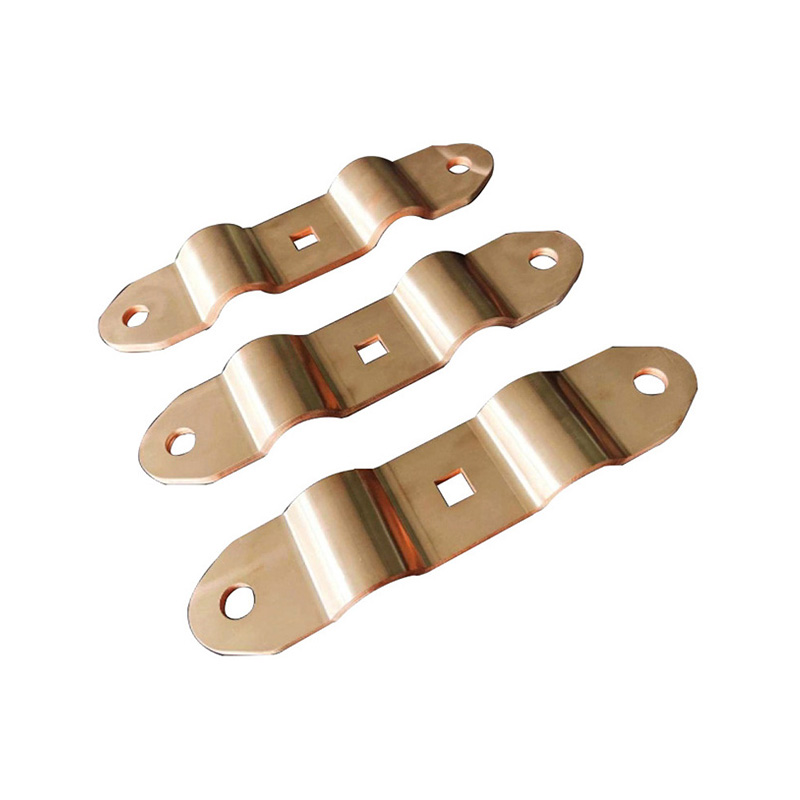
Flexible copper busbars are used in applications requiring movement, vibration resistance, or thermal expansion accommodation. The application scenarios and selection considerations for flexible copper busbars are determined by the operating environment and the mechanical requirements.
The application scenarios
The primary application is electric vehicle battery connections, where flexible busbars accommodate vibration and thermal expansion. Another application is power electronics, where flexible busbars connect power semiconductor devices and capacitors. A third application is switchgear, where flexible busbars are used to accommodate movement and simplify assembly. A fourth application is industrial equipment, where flexible busbars connect moving parts and absorb vibration.
The selection considerations
The selection of a flexible copper busbar is based on the current rating, which determines the cross-sectional area required. The flexibility requirement also matters—the busbar must provide the required flexibility in the application. The environmental conditions determine the insulation and protection requirements. The connection method must be compatible with the busbar and the application, and the space constraints determine the available size and shape.
Table: application scenarios and selection considerations
|
Application Scenario
|
Key Requirement
|
Recommended Type
|
Selection Consideration
|
|
EV battery connections
|
Vibration resistance, thermal expansion
|
Laminated or braided flexible busbar
|
Current rating; flexibility; insulation
|
|
Power electronics
|
Low inductance, high current
|
Laminated flexible busbar
|
Inductance; current rating; space constraints
|
|
Switchgear
|
Movement accommodation, assembly
|
Braided flexible busbar
|
Flexibility; current rating; termination
|
|
Industrial equipment
|
Vibration absorption, movement
|
Braided or laminated flexible busbar
|
Flexibility; current rating; environment
|
The installation and maintenance of insulated copper busbars
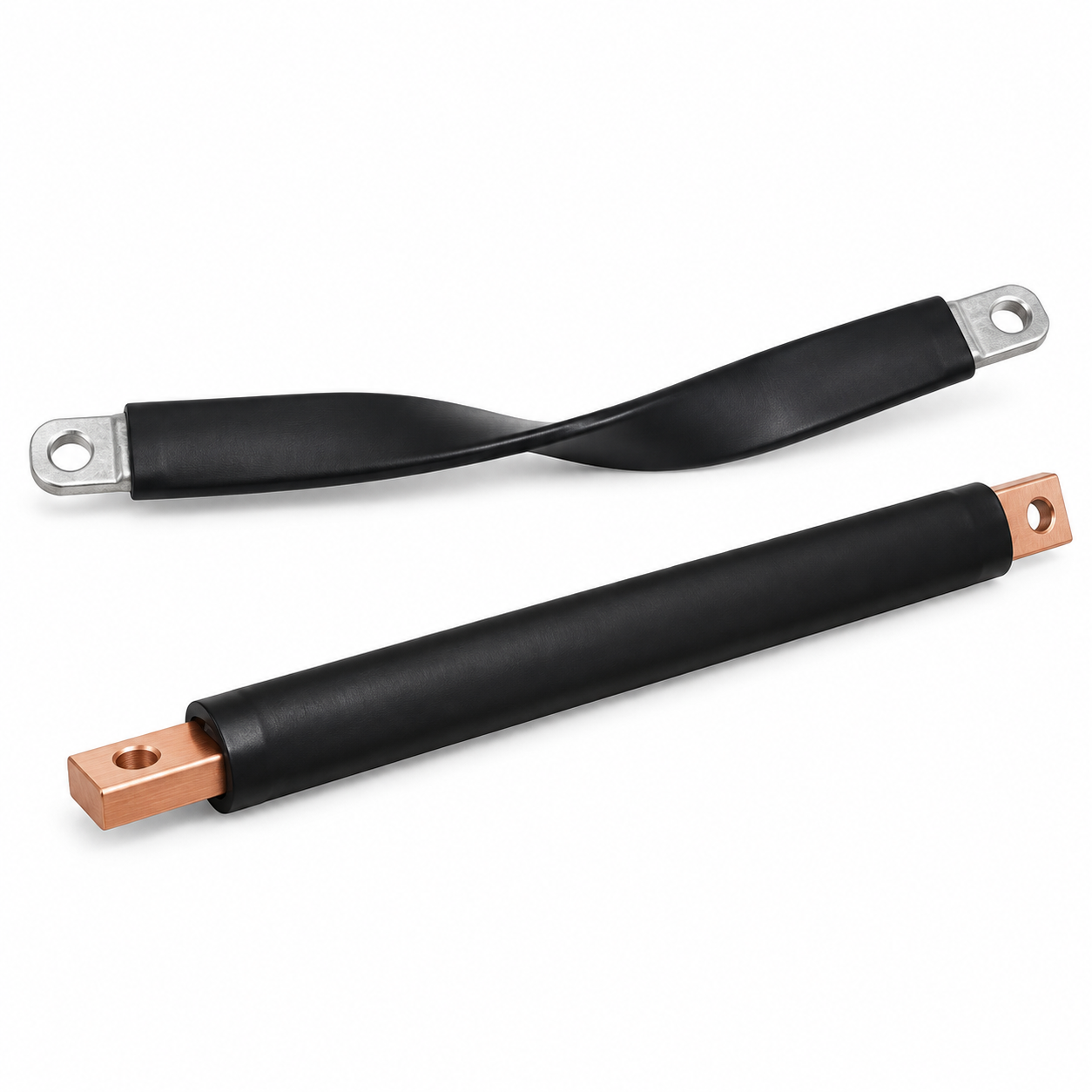
Insulated copper busbars are used in applications where electrical safety and protection from the environment are required. How insulated copper busbars should be installed and maintained involves proper handling, connection, and inspection.
The installation requirements
The busbar must be handled carefully to avoid damaging the insulation. The insulation must be inspected before installation to ensure there are no nicks or cuts that could compromise the dielectric strength. The connections must be made using the specified torque to ensure a secure, low-resistance connection without damaging the insulation. The busbar must be supported at regular intervals to prevent sagging.
The maintenance requirements
The busbar should be inspected periodically for signs of damage or wear. The connections should be inspected for signs of overheating or loosening. The insulation should be inspected for signs of degradation or damage. The busbar should be cleaned as required to remove dust or debris that could affect the insulation or cooling. The connections should be retorqued at specified intervals to maintain the connection integrity.
The installation and maintenance requirements for insulated copper busbars
- Handle with care: avoid damaging the insulation during handling and installation; use protective covers or packaging
- Inspect before installation: check for nicks, cuts, or other damage to the insulation; test dielectric strength if required
- Use specified torque: use the correct torque for connections; over-torquing can damage the insulation or connections
- Support the busbar: support at regular intervals to prevent sagging; use insulated supports to avoid damaging the insulation
- Periodic inspection: check for damage, wear, and degradation; inspect connections for overheating or loosening
- Clean as required: remove dust and debris that could affect insulation or cooling; use appropriate cleaning methods
How Do You Choose the Structural Type of a Flexible Bus Bar?
The choice of structural type for a flexible busbar
The structural type of a flexible busbar determines its flexibility, current-carrying capacity, and application suitability. How you choose the structural type of a flexible bus bar depends on the mechanical and electrical requirements of the application.
The braided structure
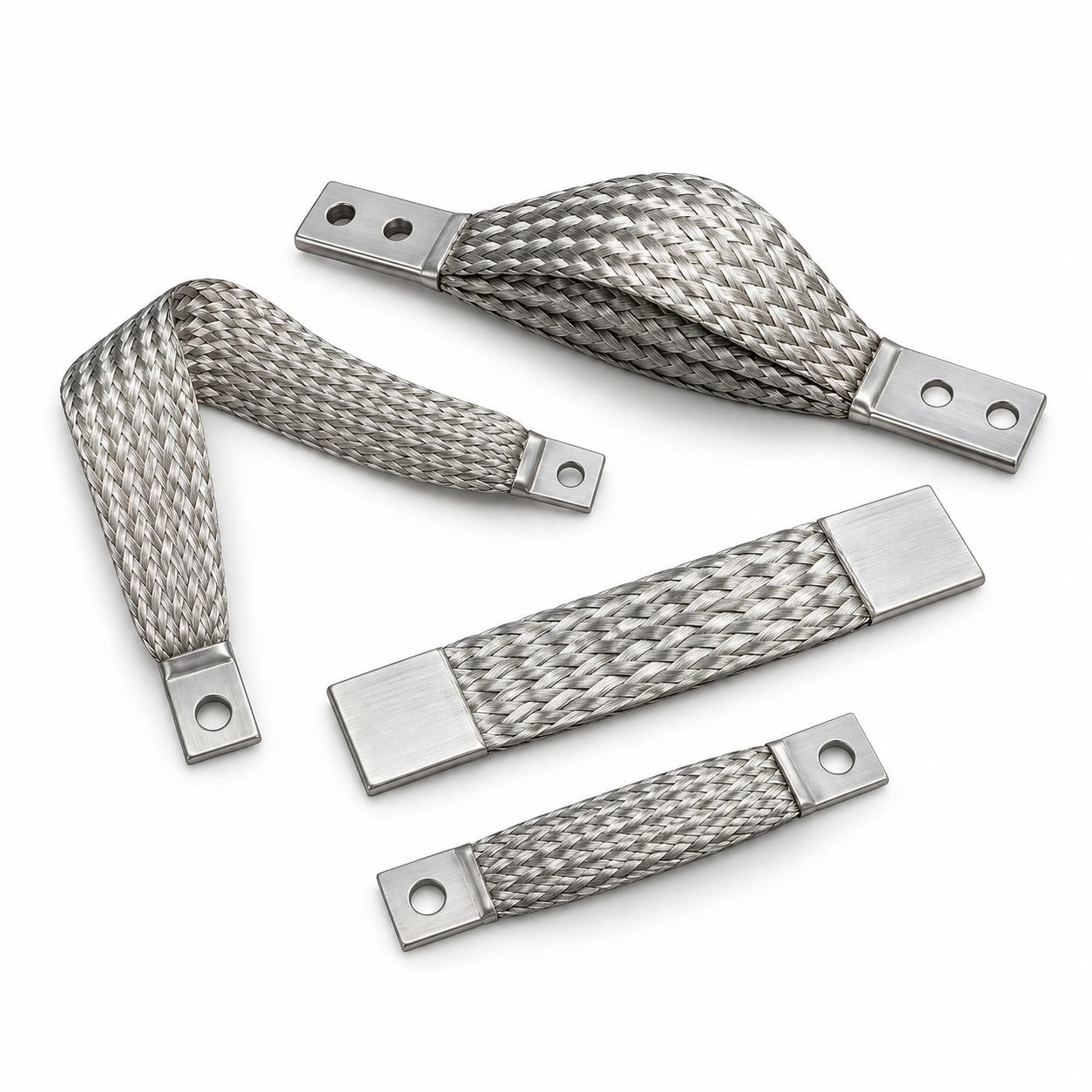
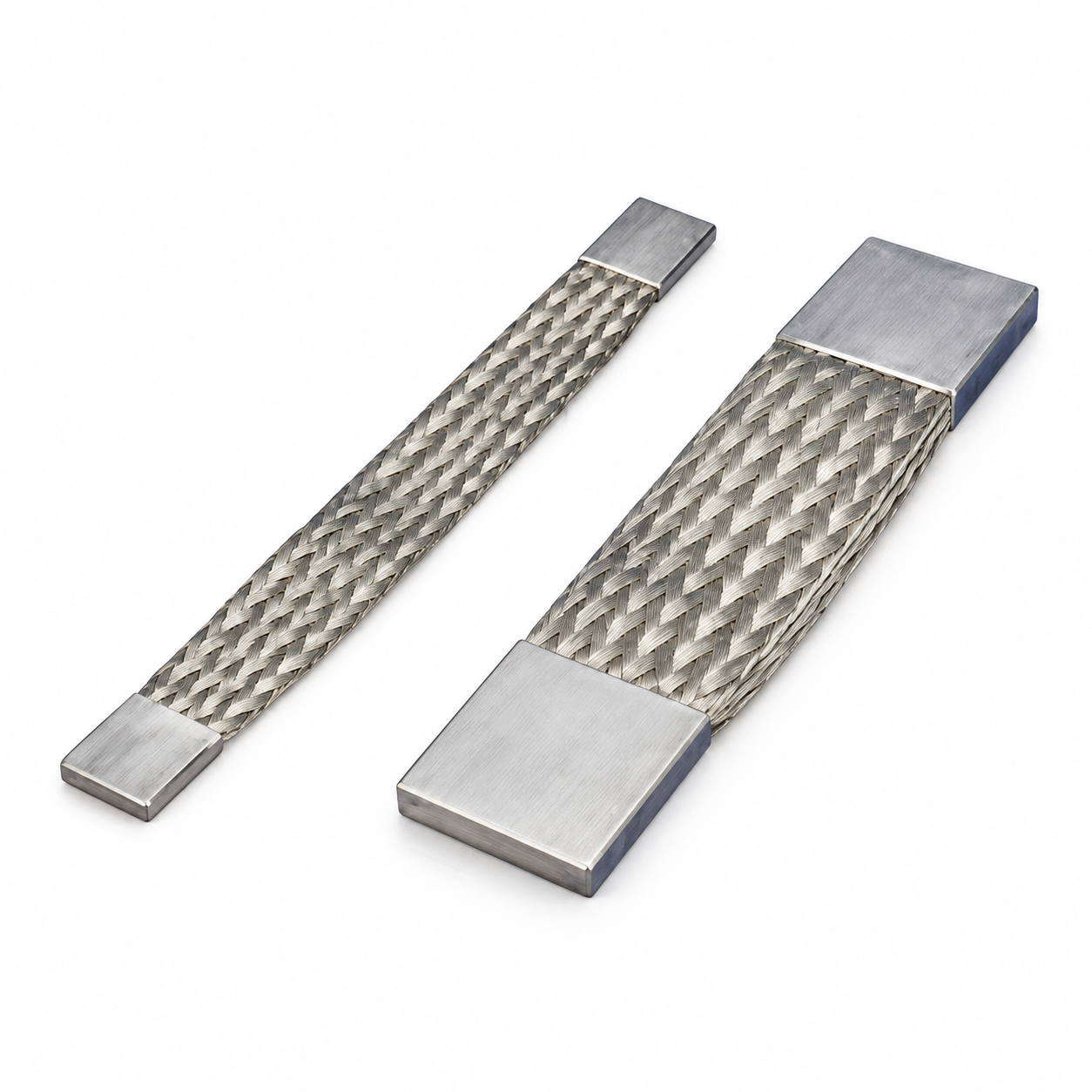
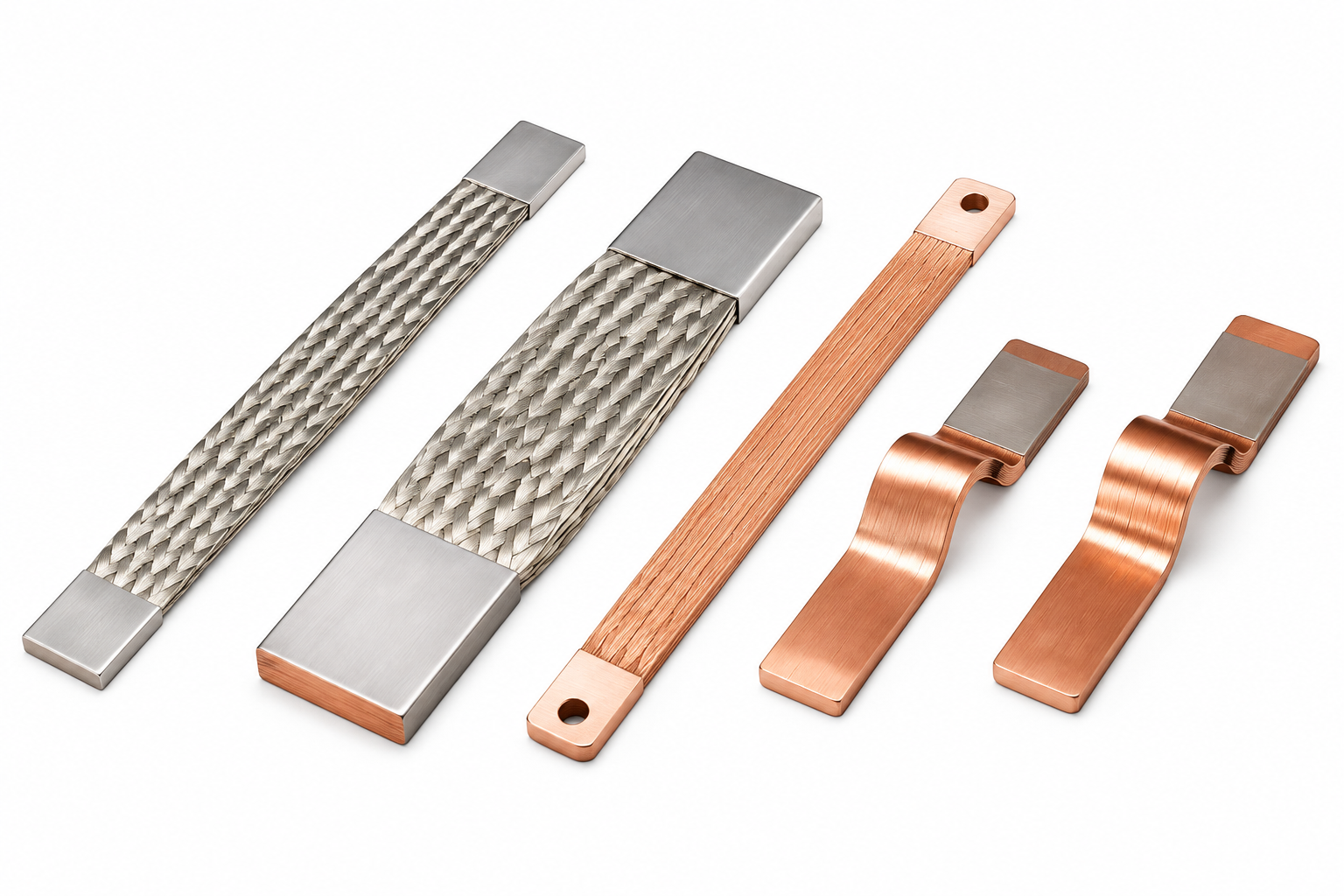
The braided structure is suitable for applications requiring multi-directional flexibility. The weave of the strands provides flexibility in multiple planes, making it ideal for applications with complex movement or vibration. The braid is also suitable for applications where the busbar must be routed around obstacles.
The laminated structure
The laminated structure is suitable for applications requiring single-plane flexibility and low resistance. The layers provide flexibility in one plane and rigidity in others, making it ideal for applications where the busbar must flex in a controlled manner. The laminated structure also provides lower resistance and more compact design than the braid.
The choice of structural type
The choice of structural type is based on the flexibility requirement. If multi-directional flexibility is required, the braided structure is the better choice. If single-plane flexibility is required, the laminated structure is the better choice. The current-carrying capacity may also influence the choice. If low resistance is required, the laminated structure is the better choice. The connection method may also influence the choice. If the busbar must be terminated with a standard connector, the laminated structure may be easier to terminate.
The Difference of structural types
- Braided structure: multi-directional flexibility, higher resistance, more surface area, suitable for complex movement
- Laminated structure: single-plane flexibility, lower resistance, more compact, suitable for controlled movement
- Braided structure: more difficult to terminate, higher cost, suitable for high-vibration applications
- Laminated structure: easier to terminate, lower cost, suitable for high-current applications
The selection of insulation material for flexible busbars
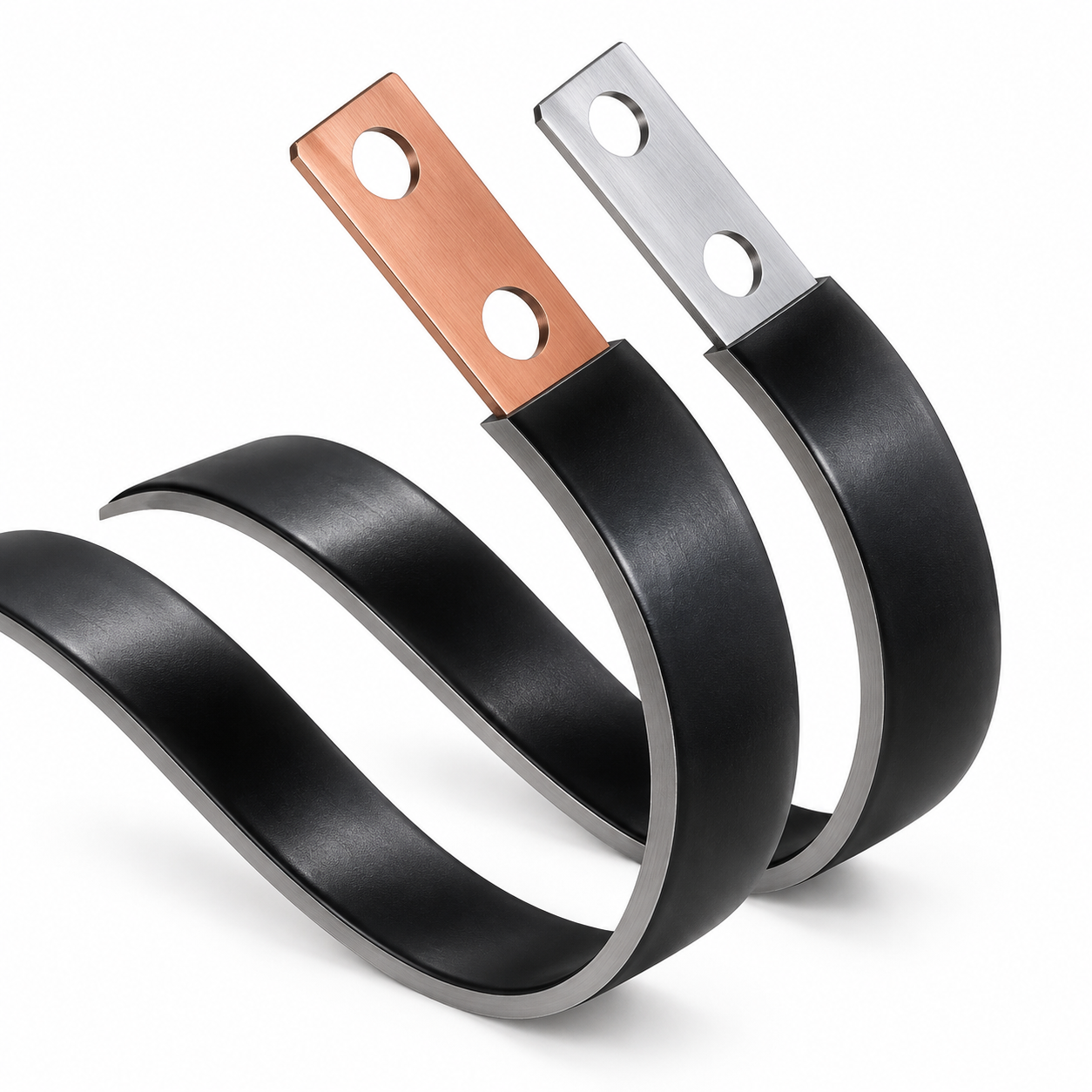
The insulation material for a flexible busbar must provide electrical insulation, mechanical protection, and environmental resistance. What insulation material should be selected for flexible busbar insulated depends on the application requirements.
The insulation materials
The first material is PVC (polyvinyl chloride). PVC is a cost-effective, general-purpose insulation material, providing good electrical insulation and moderate mechanical strength. It is suitable for most indoor applications. The second material is silicone. Silicone provides excellent high-temperature resistance and flexibility, making it ideal for applications where the busbar is exposed to high temperatures. The third material is heat-shrink tubing, which is used to provide a tight, conformal insulation layer, offering good mechanical protection and electrical insulation.
The selection criteria
The selection of the insulation material is based on the operating temperature. Silicone is required for high-temperature applications. PVC is suitable for moderate temperatures. The flexibility requirement also matters. Silicone provides the best flexibility. The environmental exposure matters. The insulation must resist any chemicals or moisture present. The voltage rating determines the required insulation thickness.
The selection of insulation material
- PVC: cost-effective, moderate temperature resistance, moderate flexibility, suitable for indoor applications
- Silicone: excellent high-temperature resistance, excellent flexibility, suitable for high-temperature applications
- Heat-shrink tubing: tight, conformal insulation, good mechanical protection, suitable for applications requiring a thin insulation layer
- PTFE: excellent high-temperature resistance, low friction, suitable for high-temperature, high-flex applications, higher cost
The best insulation solution for flexible copper foil busbars
The insulation solution for flexible copper foil busbars must accommodate the thin, layered structure of the busbar. What insulation solution is best for flexible copper foil busbars depends on the application and the required performance.
The insulation solutions
The first solution is laminated insulation. This involves bonding an insulation layer directly to the copper foil during the lamination process. This provides a thin, uniform insulation layer that is integrated with the busbar structure. The second solution is extruded insulation, where the insulation material is extruded over the busbar. This provides a continuous insulation layer that conforms to the shape of the busbar. The third solution is heat-shrink tubing, which is applied over the finished busbar to provide a tight, conformal insulation layer.
The Difference of insulation solutions for flexible copper foil busbars
|
Insulation Solution
|
Thickness
|
Flexibility
|
Temperature Resistance
|
Application
|
|
Laminated insulation
|
Thin (0.1–0.5 mm)
|
High
|
Moderate to high
|
Integrated with busbar; high-density applications
|
|
Extruded insulation
|
Moderate (0.5–2 mm)
|
Moderate
|
Moderate to high
|
General applications; continuous insulation
|
|
Heat-shrink tubing
|
Thin (0.1–1 mm)
|
High
|
Moderate to high
|
Tight, conformal insulation; retrofitted applications
|
|
PTFE tape wrapping
|
Thin (0.05–0.2 mm)
|
High
|
Excellent
|
High-temperature, high-flex applications; aerospace
|
The Difference of crimping and welding for flexible busbar connectors
The choice between crimping and welding for flexible busbar connectors depends on the application requirements. Whether crimping or welding is better for flexible busbar connectors is determined by the need for serviceability, vibration resistance, and connection integrity.
The crimping advantages
Crimping is a mechanical connection method that uses a compression lug and a crimping tool to create a gas-tight connection. The primary advantage of crimping is serviceability—the connection can be removed and reconnected if needed. The connection is also resistant to vibration and provides a consistent, reliable connection when properly specified and applied. Crimping is suitable for applications where the busbar may need to be replaced or serviced.
The welding advantages
Welding creates a permanent connection by fusing the busbar and terminal together. The primary advantage of welding is the low resistance—the connection has no added resistance from contact interfaces. The connection is also extremely robust and resistant to vibration and thermal cycling. Welding is suitable for high-current, permanent applications where the connection will not need to be serviced.
The Difference of crimping and welding
- Crimping: serviceable, resistant to vibration, consistent connection, suitable for applications requiring maintenance
- Welding: permanent, low resistance, robust, suitable for high-current, permanent applications
- Crimping: requires proper tooling and quality control; lower initial cost than welding
- Welding: requires specialized equipment and skilled operators; higher initial cost
FAQ
Q1: What is the most common terminal connection for flexible busbars?
The most common terminal connection is soldered or brazed terminals, which provide a permanent, low-resistance connection suitable for most applications.
Q2: When should a braided flexible busbar be used?
A braided flexible busbar should be used when multi-directional flexibility is required, such as in applications with complex movement or vibration.
Q3: What is the best insulation material for high-temperature flexible busbar applications?
Silicone insulation is the best choice for high-temperature applications due to its excellent temperature resistance and flexibility.
Q4: What is the difference between laminated and extruded insulation?
Laminated insulation is bonded directly to the copper foil during the lamination process, providing a thin, integrated insulation. Extruded insulation is applied over the busbar by extrusion, providing a continuous, moderate-thickness insulation layer.
Q5: When should welding be used instead of crimping?
Welding should be used for permanent, high-current applications where the connection will not need to be serviced. Crimping should be used for applications requiring serviceability.

 English
 Español