 English
 Español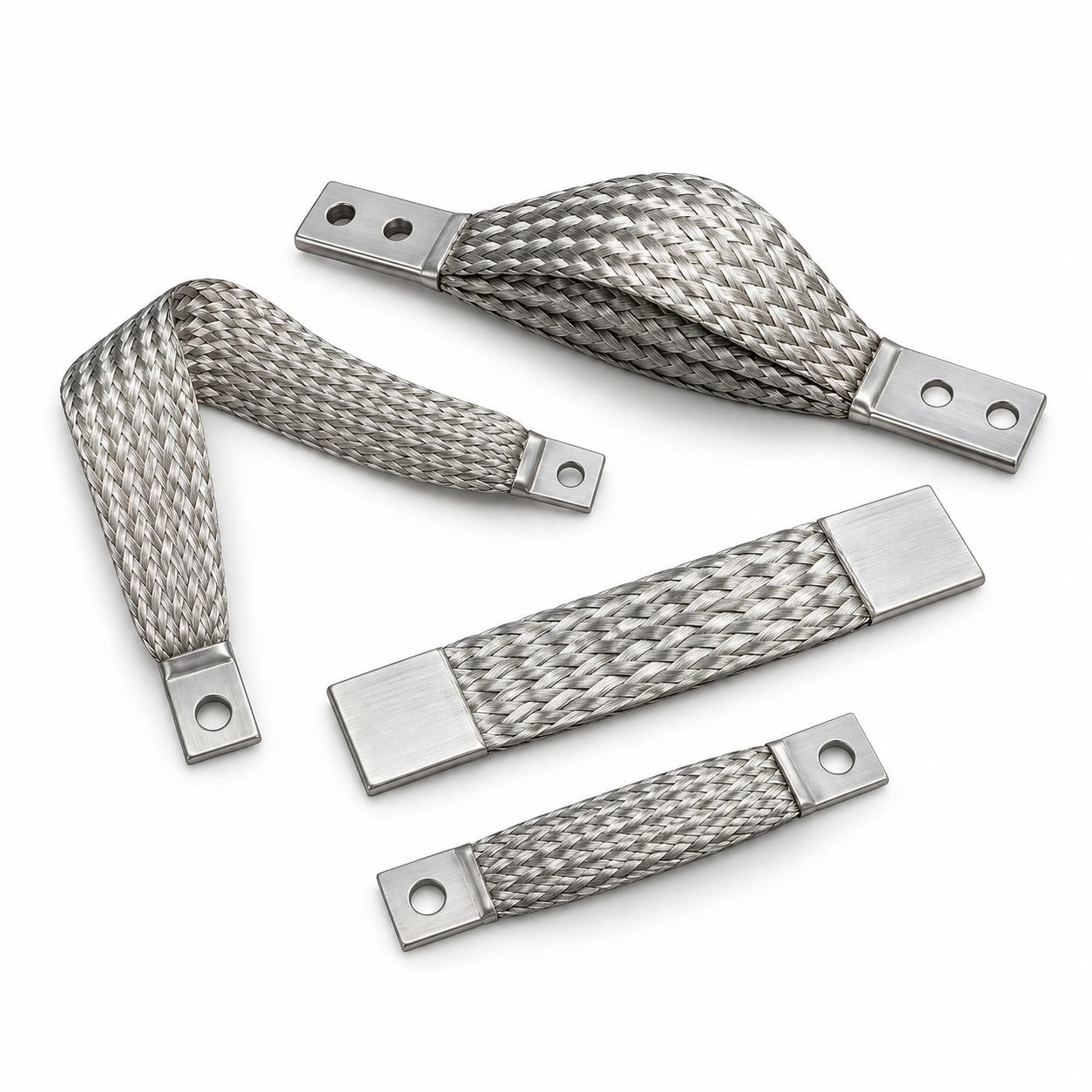
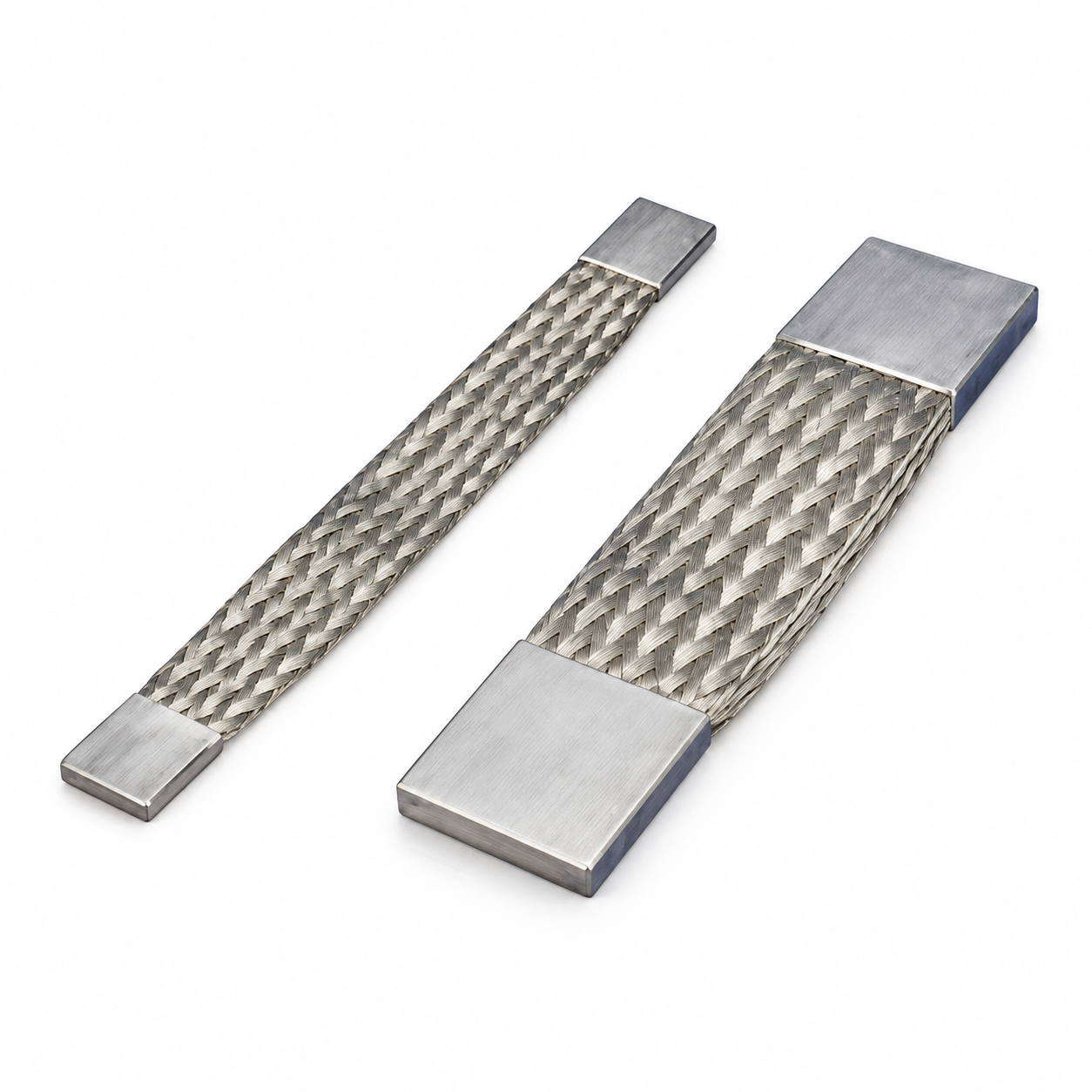
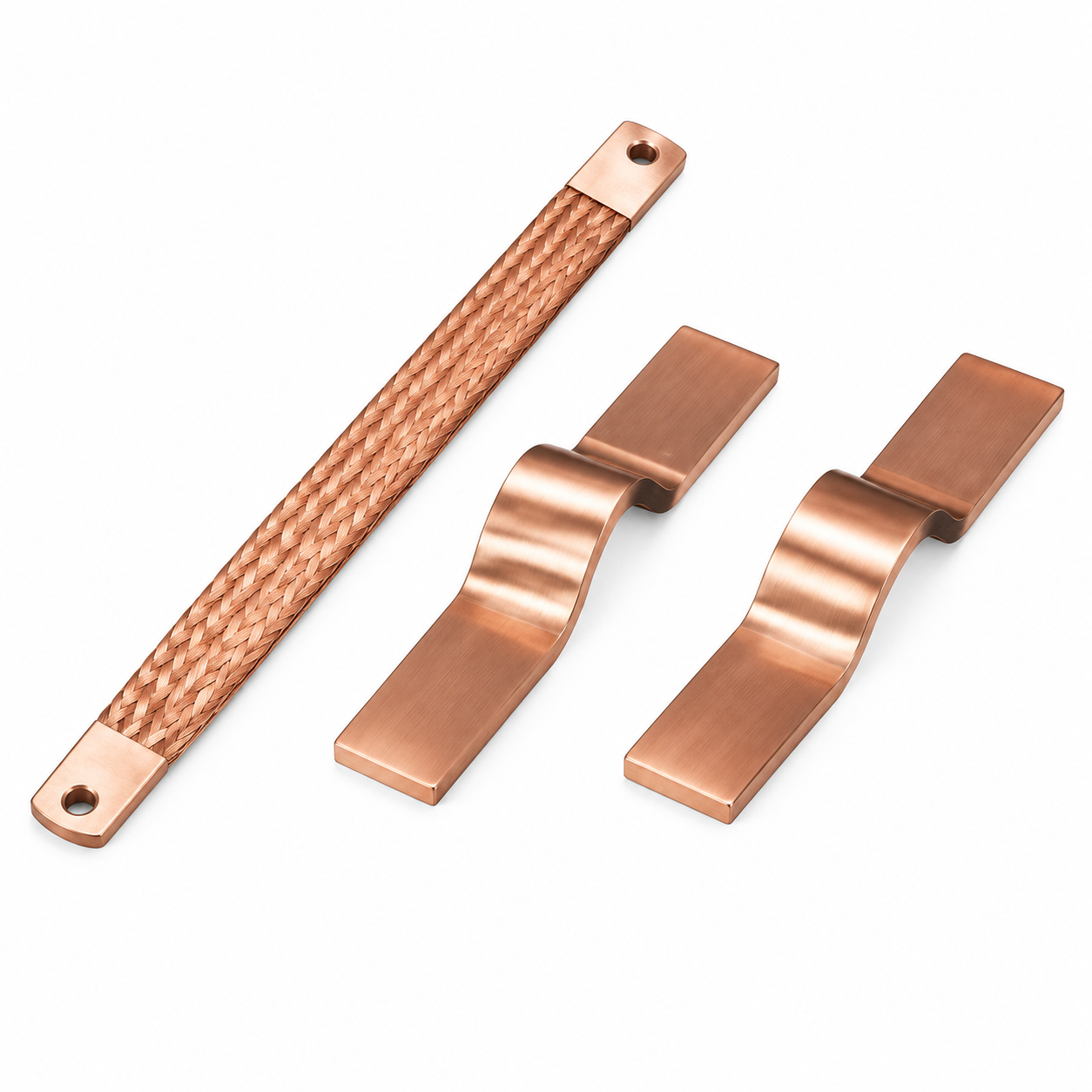
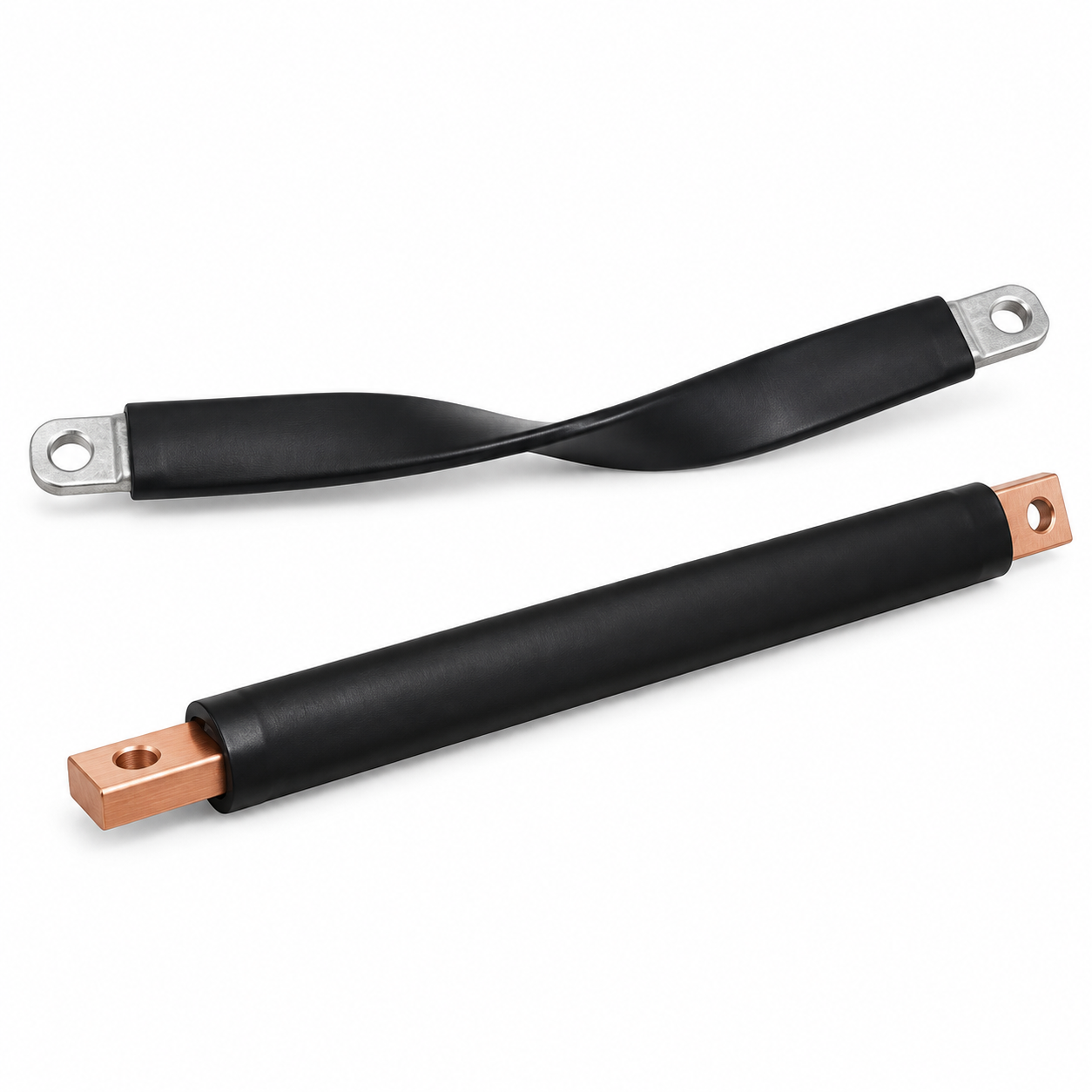
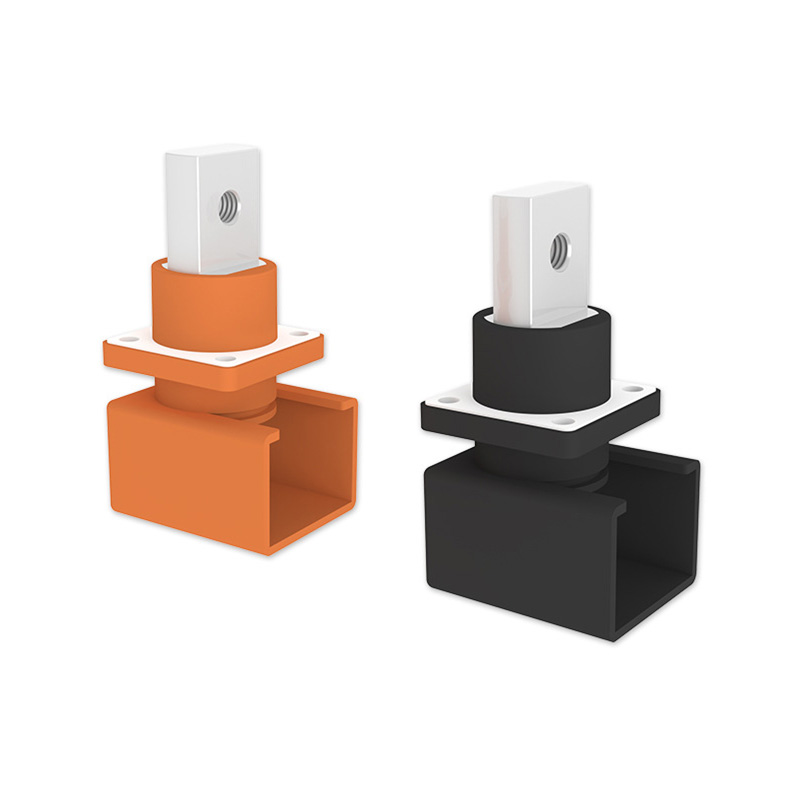

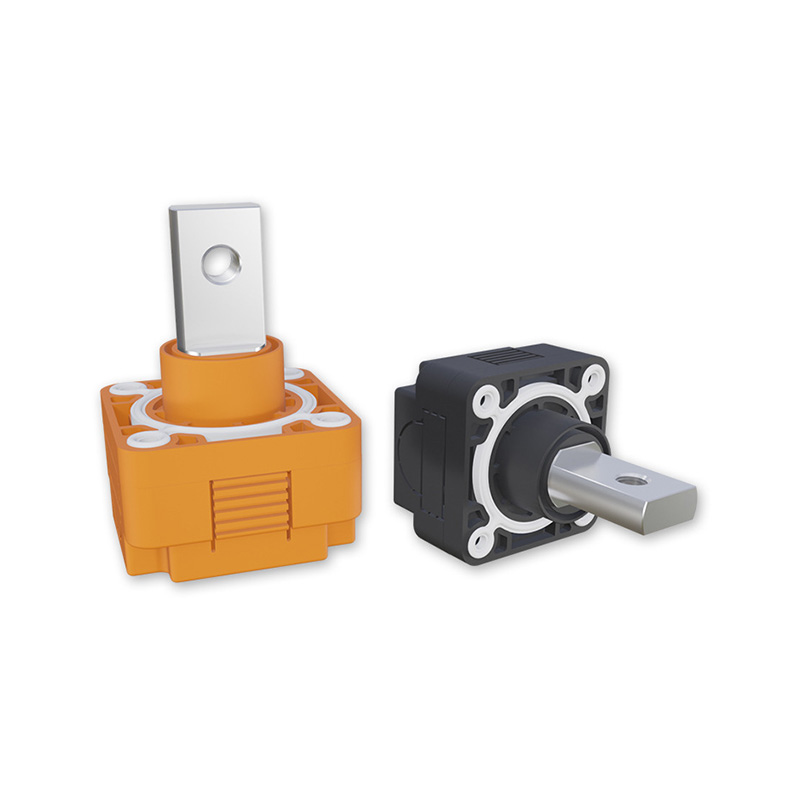
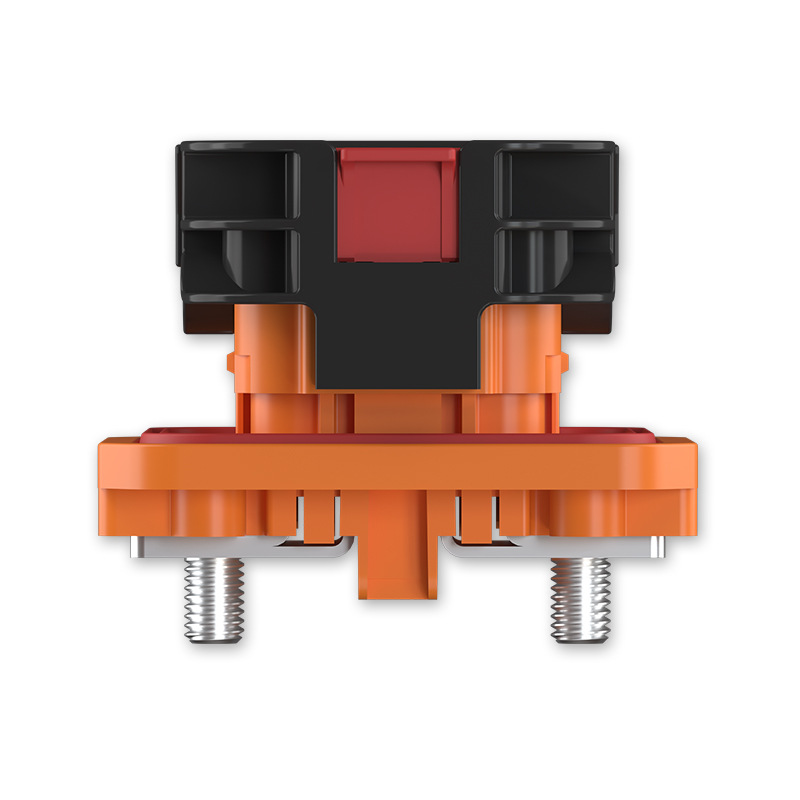
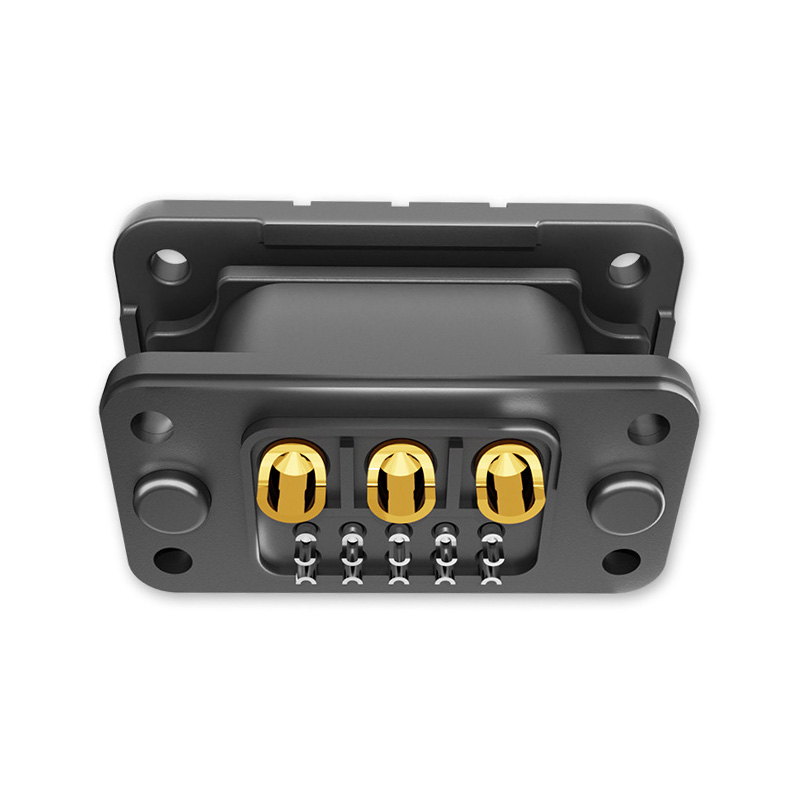
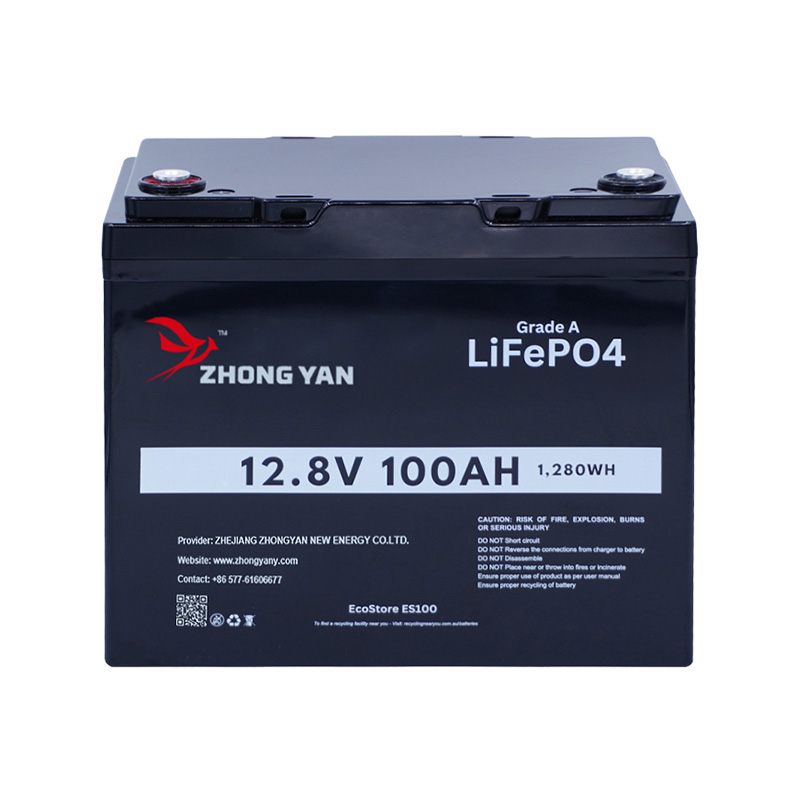
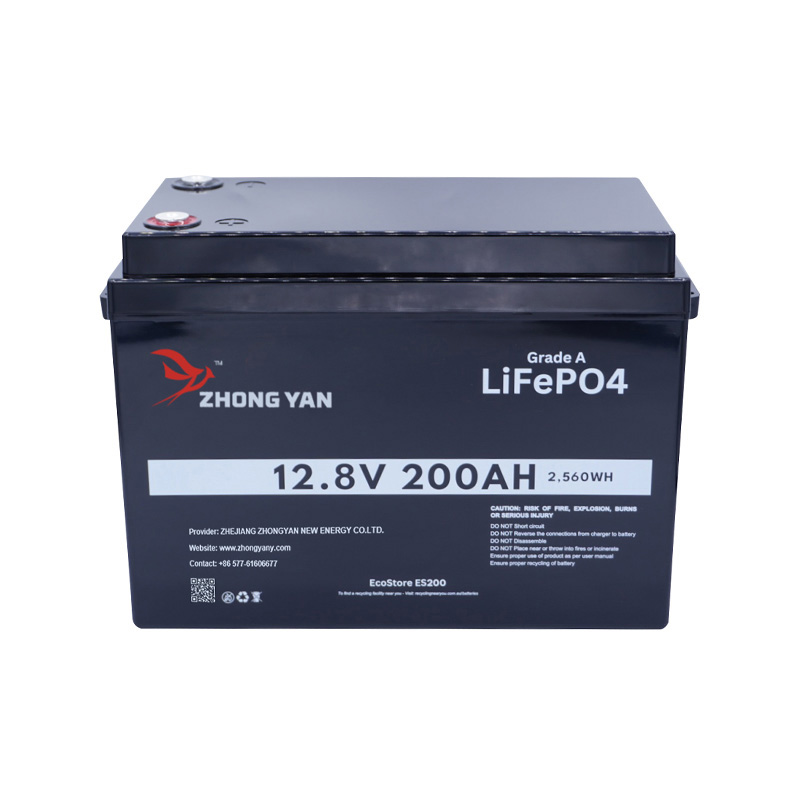
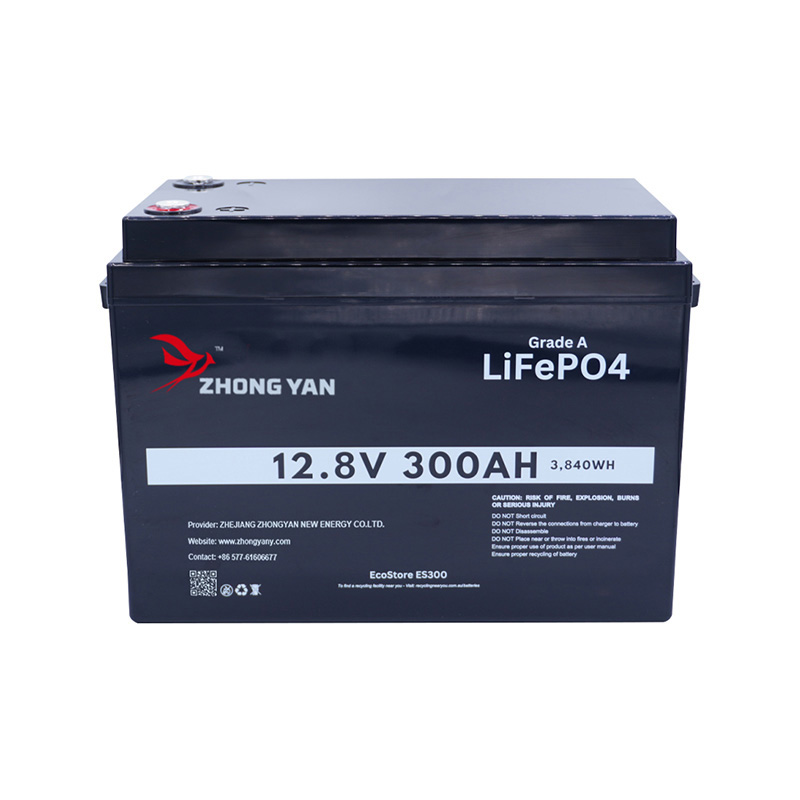
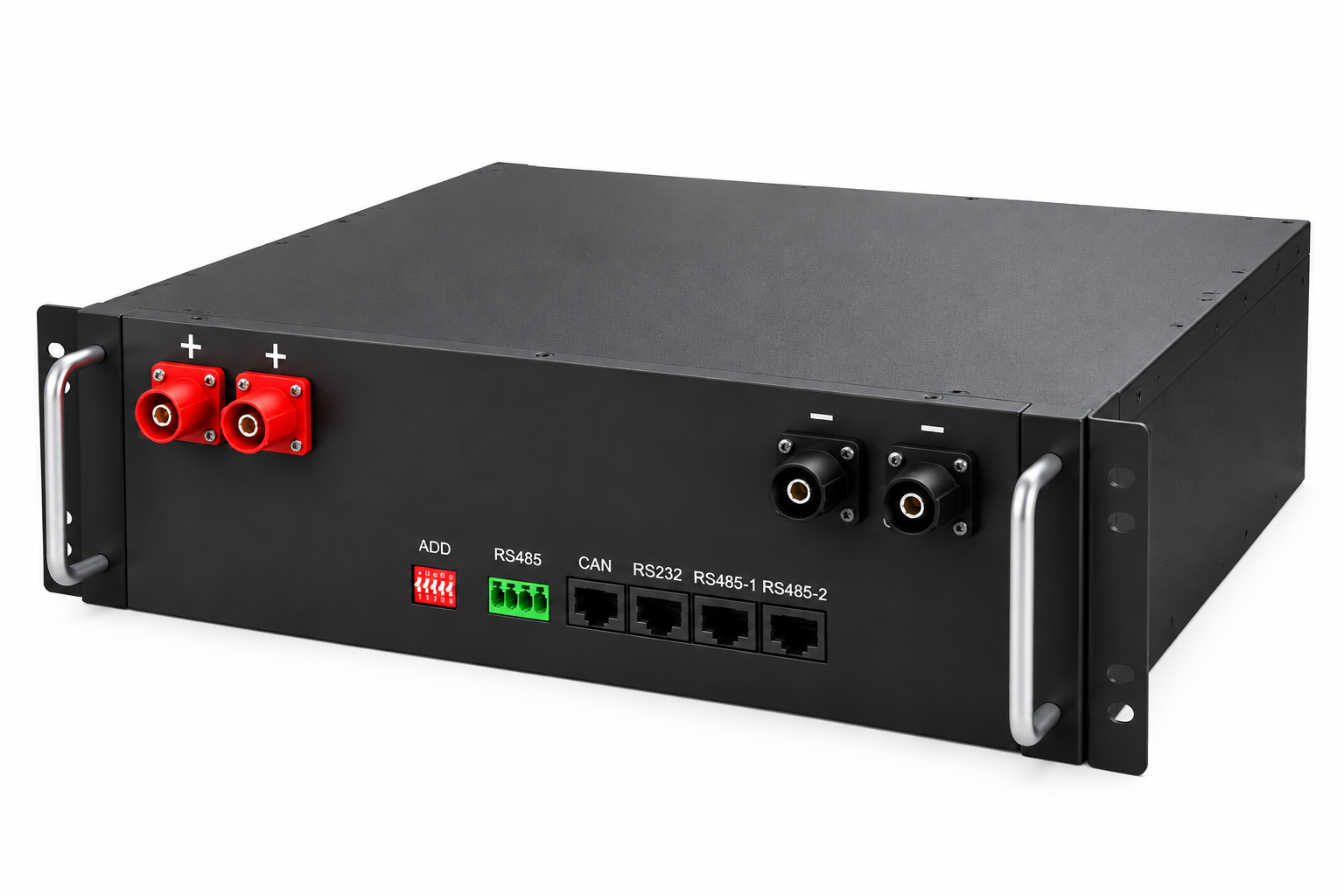
Connecting cells in series adds voltage. The busbar links the positive of one cell to the negative of the next. Connecting cells in parallel adds capacity. The busbar links the positives together and ...
READ MORE
Category
About Us
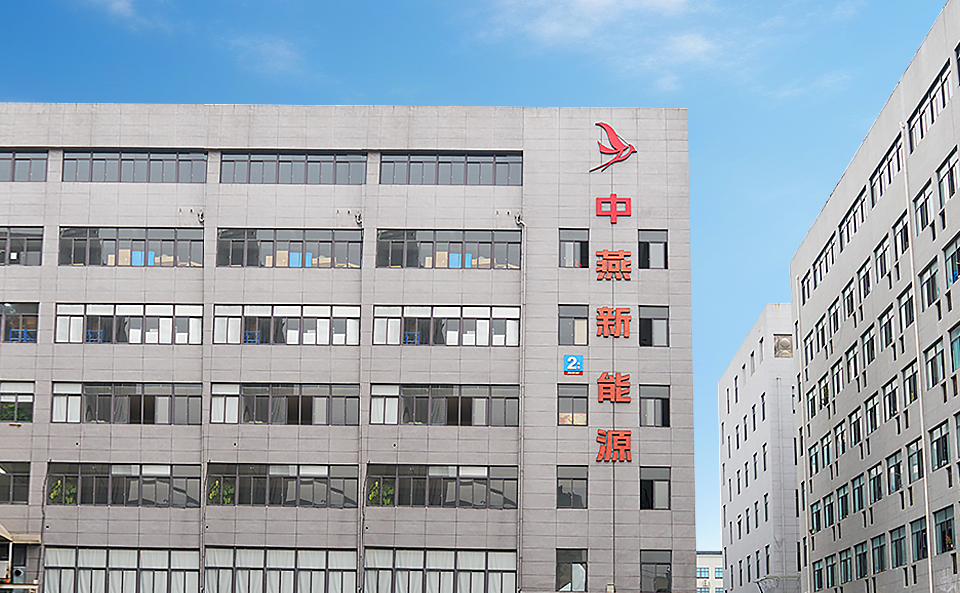
Zhejiang Zhongyan New Energy Co., Ltd.
Zhejiang Zhongyan New Energy Co., Ltd. is a high-tech enterprise specializing in the research and manufacturing of new energy conductive components. We specialize in high-voltage electrical copper foil soft connections, special-shaped soft connections, and other products, providing safe and reliable electrical connection solutions for industries such as power transmission and distribution, new energy electric vehicles, rail transit, and communication.
The company gathers experienced engineers and technical teams, equipped with advanced professional equipment, and has been deeply rooted in the field of soft connections for many years, possessing mature systematic product design and solution capabilities.We strictly implement modern production and quality management systems, with mature processes and quick responses, committed to providing customers with high stability and consistency products and services.
Looking towards the future, we are driven by innovation and guided by the market, continuously investing in key technology research and development in the field of energy storage, and providing customers with suitable energy storage products and solutions. We are willing to work together with our partners to promote the application of green energy, help build a "zero carbon" future, and contribute to connecting the world towards a clean, safe, and sustainable future.
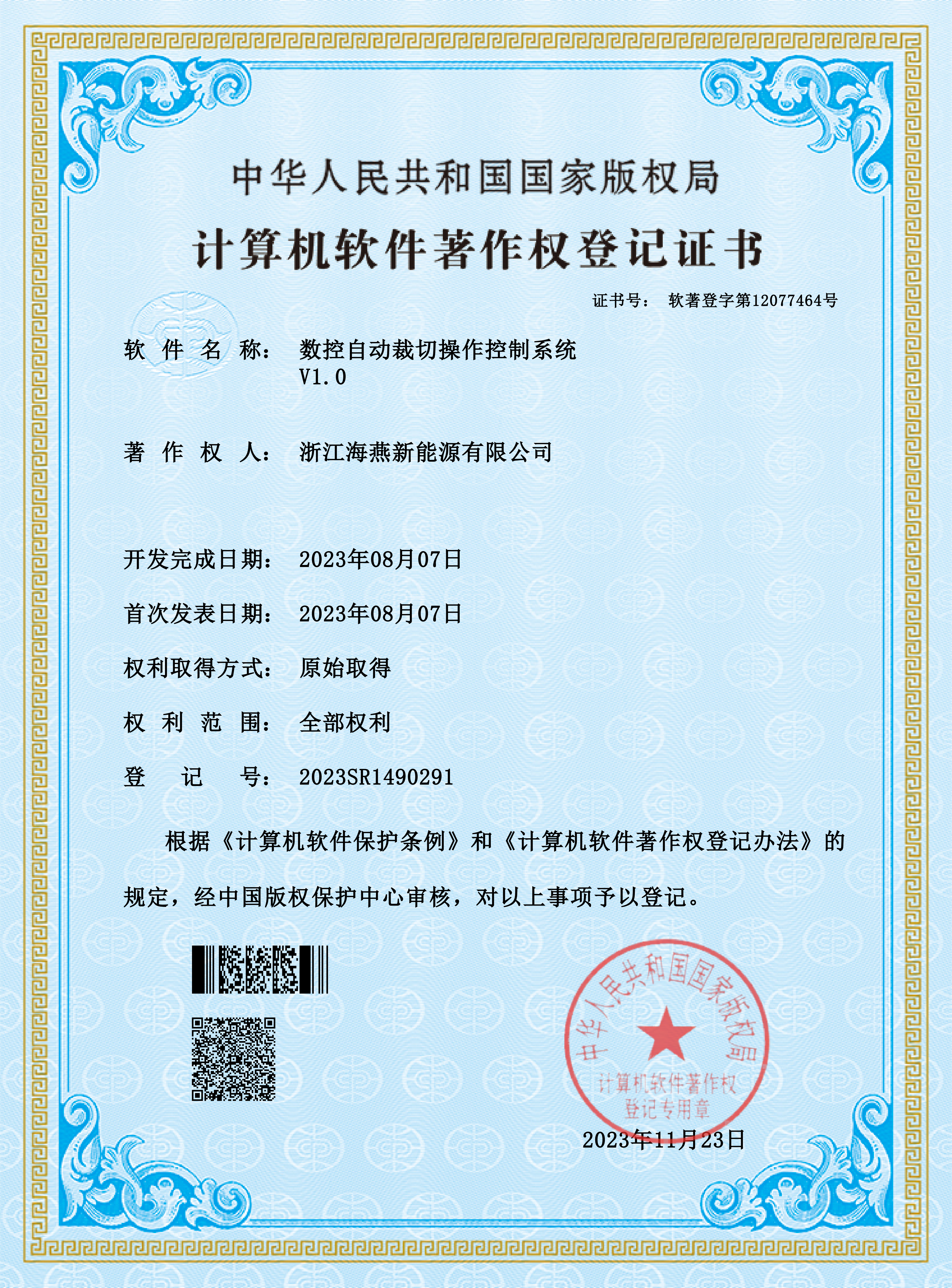
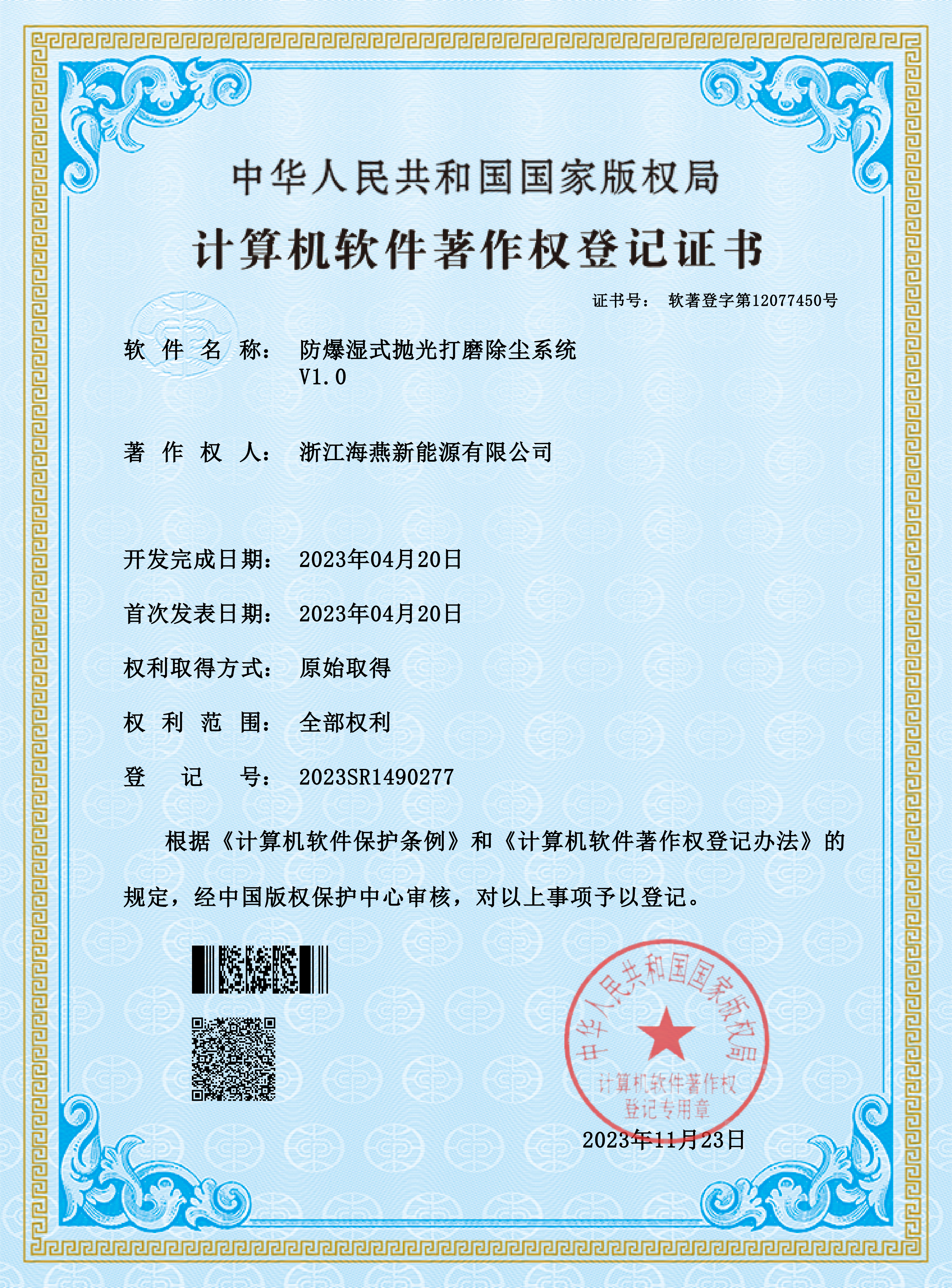
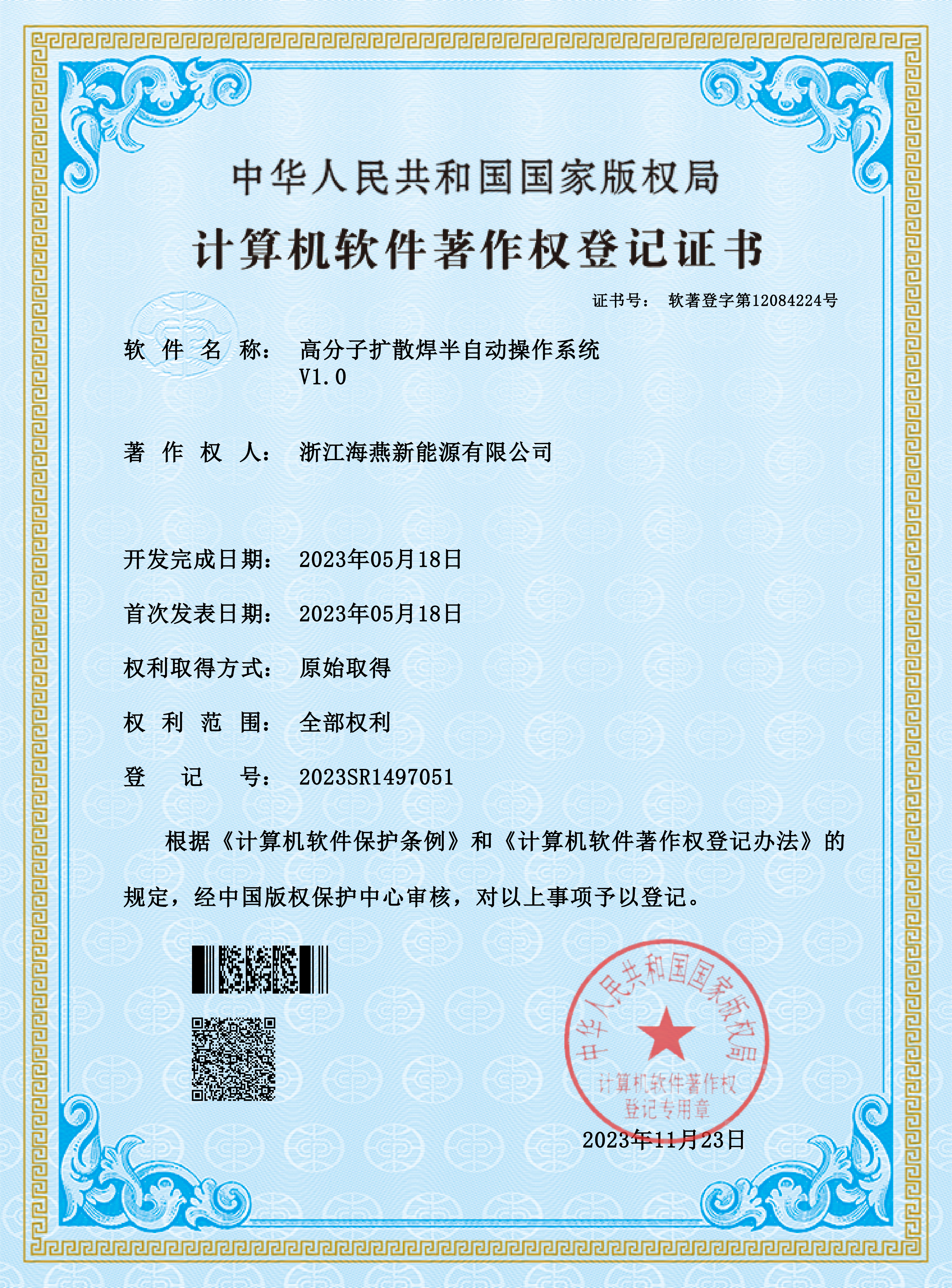
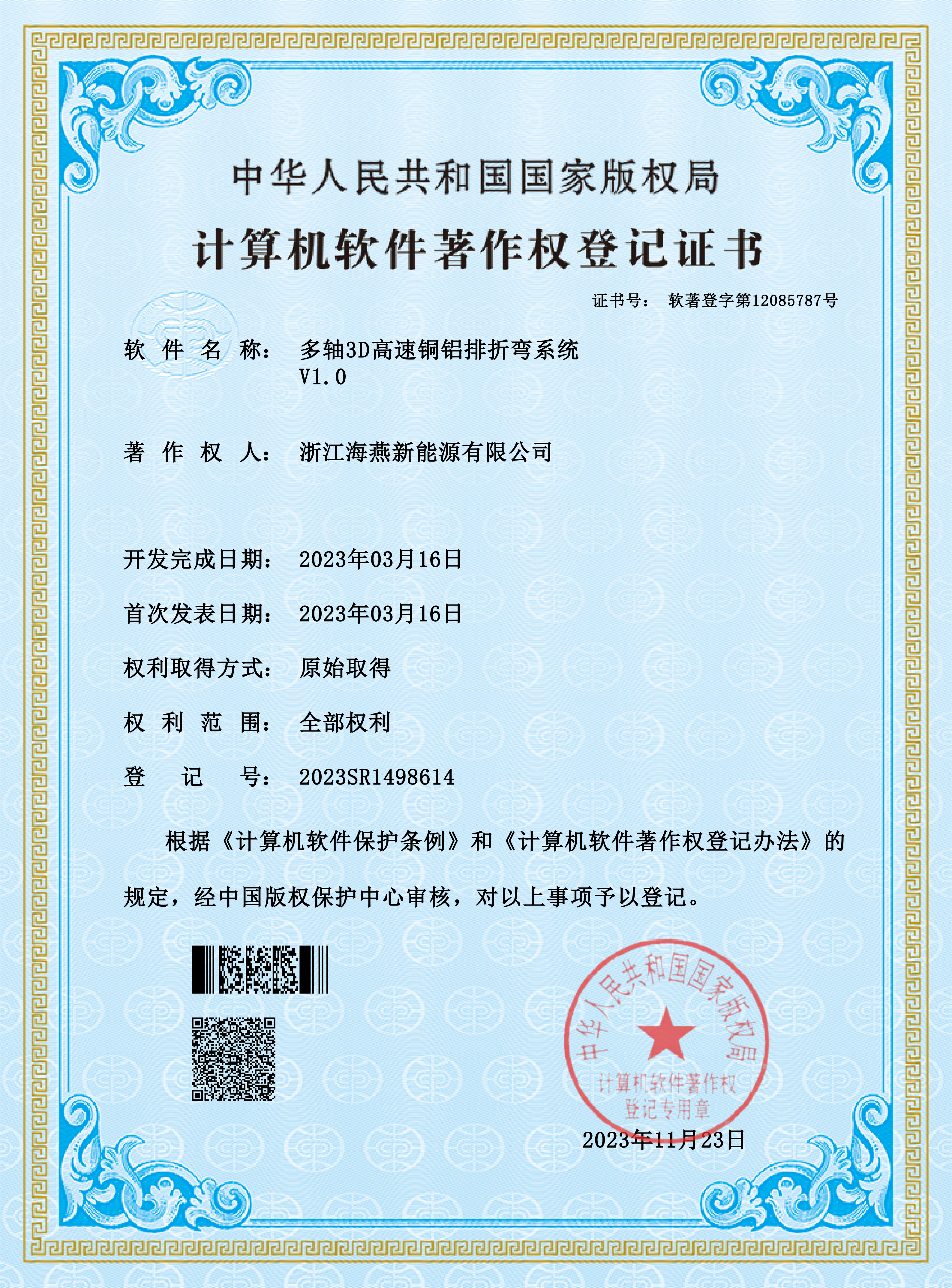
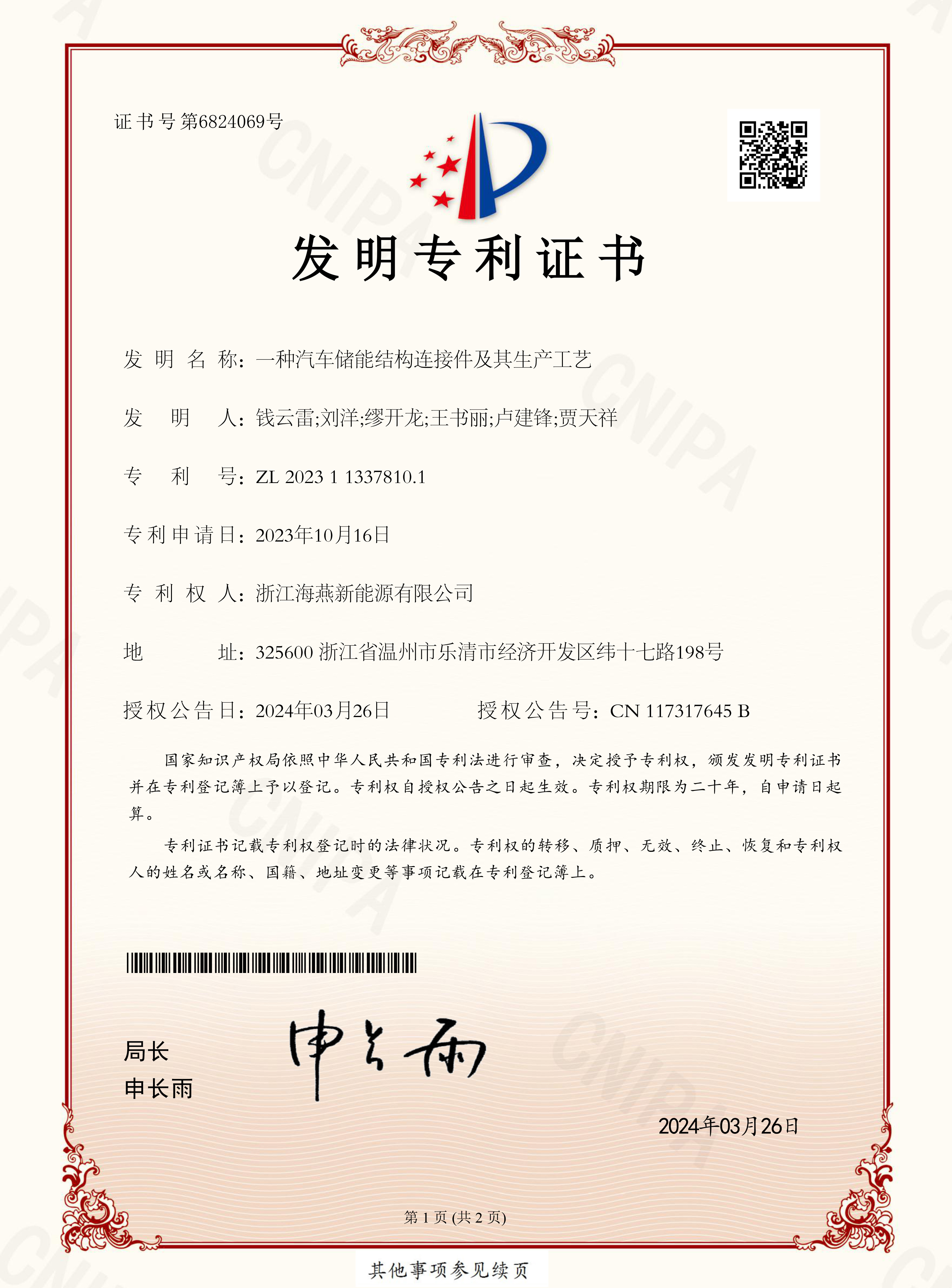
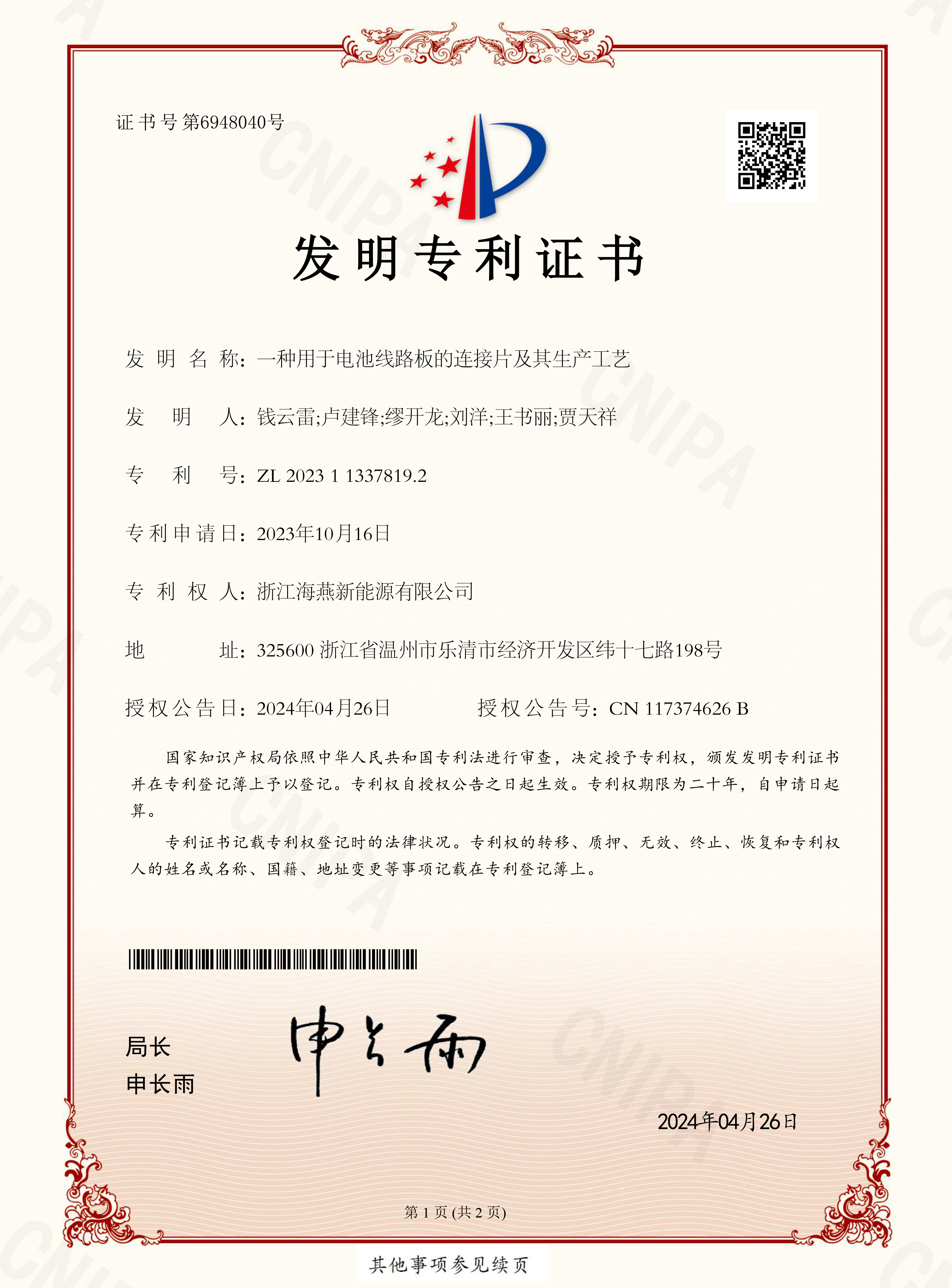
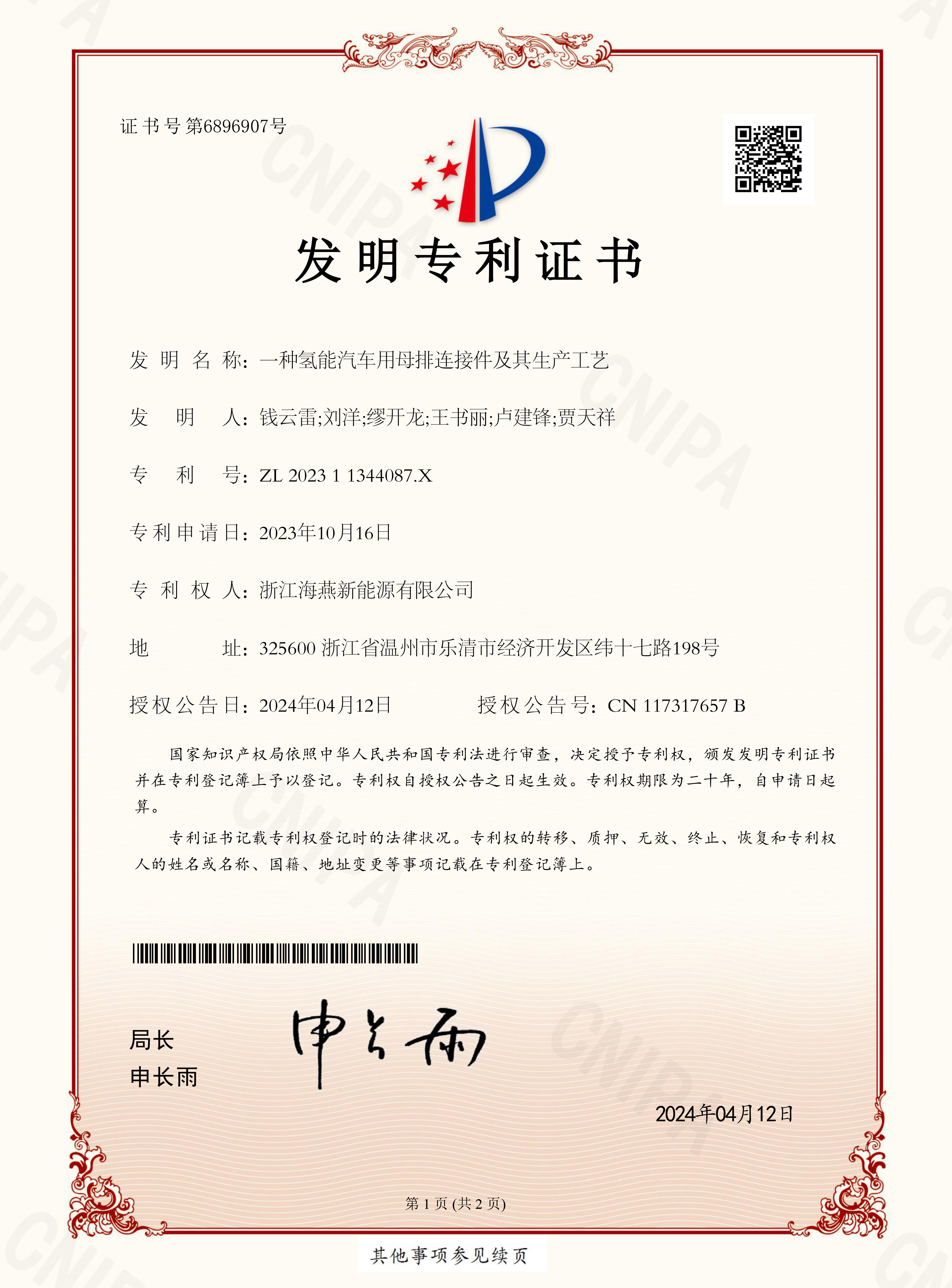
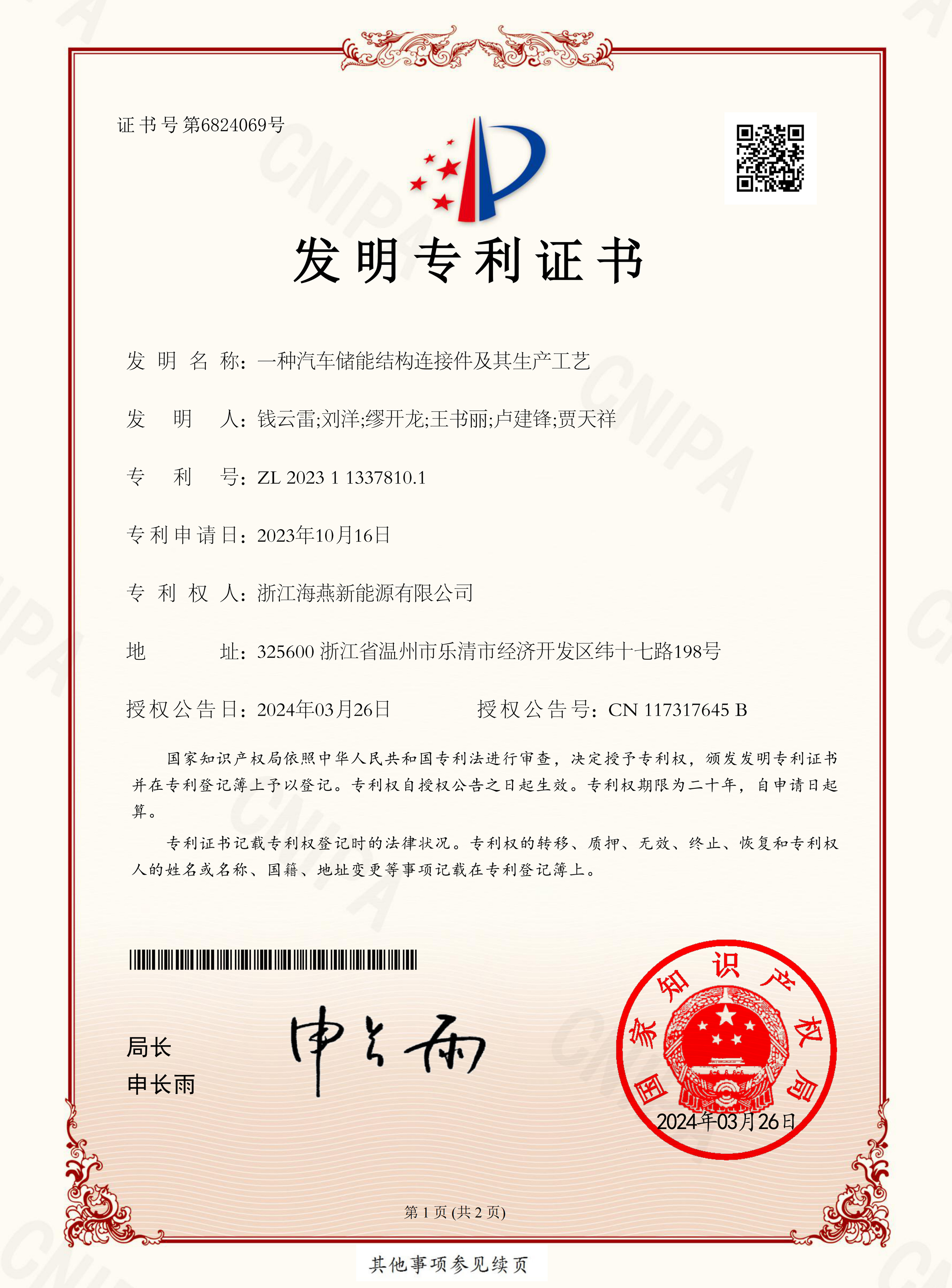
Certificate Of Honor
News
-
-
A battery pack has cells, and the cells have terminals. Something has to join those terminals into a circuit. That something is the battery busbar connector. It is a piece of copper or aluminum, shape...
READ MORE -
An automotive busbar is not an industrial busbar with a different label on it. The fundamentals are the same — copper, cross-section, resistance — but a busbar that goes into an electric vehicle is qu...
READ MORE -
Anyone who has sized a mains busbar and then sized one for a 12 V system has discovered that the rules do not transfer. At 12 volts, the voltage-drop budget is so small that bars and cables are chosen...
READ MORE
The Copper Busbar Standard: Purity, Sizing, Protection, and Certification
What Is the Relationship Between Material Purity and Electrical Conductivity in Bare Copper Busbars?
The relationship between material purity and electrical conductivity
The electrical conductivity of copper is directly linked to its purity. Impurities in the copper crystal lattice disrupt the flow of electrons, increasing electrical resistance and reducing conductivity. The relationship between material purity and electrical conductivity in bare copper busbars is a fundamental property of the material.
The conductivity of pure copper
Pure copper has an electrical conductivity of 100% IACS (International Annealed Copper Standard). This corresponds to a resistivity of 1.724 micro-ohm-centimeters at 20°C. This is the benchmark against which all other conductive materials are measured.
The impact of impurities
Even small amounts of impurities significantly reduce conductivity. For example, oxygen (in the form of copper oxide) can reduce conductivity by up to 10%. Other common impurities—silver, arsenic, and sulfur—also have a measurable impact. The purity of the copper is therefore a critical specification for busbar applications, where efficiency and performance are essential.
The role of oxygen content
The oxygen content in copper is a key factor. High-conductivity copper (ETP, or electrolytic tough pitch) has a minimum conductivity of 100% IACS, while oxygen-free copper (OFHC) has a conductivity of 101–102% IACS. Oxygen-free copper is preferred for critical applications where maximum conductivity is required, and its higher purity provides greater long-term reliability.
The conductivity and purity relationship
- 100% IACS: minimum conductivity for ETP copper (99.9% purity), suitable for most standard busbar applications
- 101–102% IACS: conductivity for oxygen-free copper (99.99% purity), preferred for critical or high-efficiency applications
- Below 100% IACS: indicates impurities are present (e.g., silver, arsenic, sulfur), reduces efficiency and increases temperature rise
- High conductivity: achieved through careful refining to remove oxygen and other impurities, essential for high-power applications
What Are the Corresponding Cross-Sectional Areas for Copper Busbar 100A, 200A, and 400A?
The cross-sectional area requirements for copper busbars
The cross-sectional area of a copper busbar determines its current-carrying capacity. The corresponding cross-sectional areas for copper busbar 100A, 200A, and 400A depend on the allowable temperature rise and the installation conditions.
The standard current density
For AC applications with a 65°C temperature rise above a 40°C ambient, the standard current density is approximately 1.5–2.0 A/mm². This value is a conservative design guideline that ensures a wide safety margin in typical installations. The actual required cross-sectional area must also consider the skin effect, which becomes more significant at higher frequencies and larger cross-sections.
Approximate cross-sectional area for copper busbars
Based on a current density of 1.5–2.0 A/mm², the typical cross-sectional areas are approximately 50–67 mm² for 100A, 100–135 mm² for 200A, and 200–270 mm² for 400A. These areas can be achieved with a variety of busbar shapes, such as a flat bar of 5mm x 15mm for 100A. The appropriate standard and metric equivalents should be considered, such as 5mm x 25mm for 200A and 5mm x 50mm for 400A.
The selection of busbar size
The actual size must be verified based on the specific installation conditions, including ambient temperature, enclosure, and the allowable temperature rise. The standard size should be selected based on the calculated cross-sectional area, and the manufacturer's data sheets should be consulted for the exact current-carrying capacity of the specific busbar profile.
Ingress Protection Ratings and Corrosion Resistance Requirements for Electric Tractor Busbars
The environmental protection requirements for electric tractor busbars
Electric tractors operate in harsh environments. Dust, mud, water, and chemicals are part of daily operation. The busbars must be protected from these elements to ensure reliable performance. The ingress protection ratings and corrosion resistance requirements for electric tractor busbars are defined by the application environment.
Ingress protection (IP) ratings
The IP rating defines the level of protection against solids and liquids. For electric tractor busbars, an IP rating of at least IP65 is typically required. IP65 provides protection against dust ingress and low-pressure water jets from any direction. For applications involving high-pressure washing, IP67 or IP68 may be required.
Corrosion resistance requirements
Corrosion resistance is achieved through the material selection and protective coatings. Copper busbars are often tinned or silver-plated to resist corrosion. Stainless steel enclosures or coatings provide additional protection. The corrosion resistance must be tested to verify performance in the specific environment.
The IP rating and corrosion resistance requirements
|
Requirement |
Standard |
Application |
Why It Matters |
|
IP65 rating |
Dust-tight; protected against low-pressure water jets |
Standard tractor applications |
Prevents dust and water ingress into busbar system |
|
IP67 rating |
Dust-tight; protected against temporary immersion |
High-pressure washing, wet environments |
Prevents water ingress during cleaning |
|
IP68 rating |
Dust-tight; protected against continuous immersion |
Submersible or extreme wet environments |
Provides maximum protection |
|
Tinned copper |
Copper conductor with tin plating |
Standard corrosion protection |
Prevents oxidation and corrosion in moist environments |
|
Silver-plated copper |
Copper conductor with silver plating |
High-current connections |
Provides low resistance and corrosion protection |
|
Stainless steel enclosure |
Enclosure or coating |
Harsh chemical or salt environments |
Maximum corrosion protection |
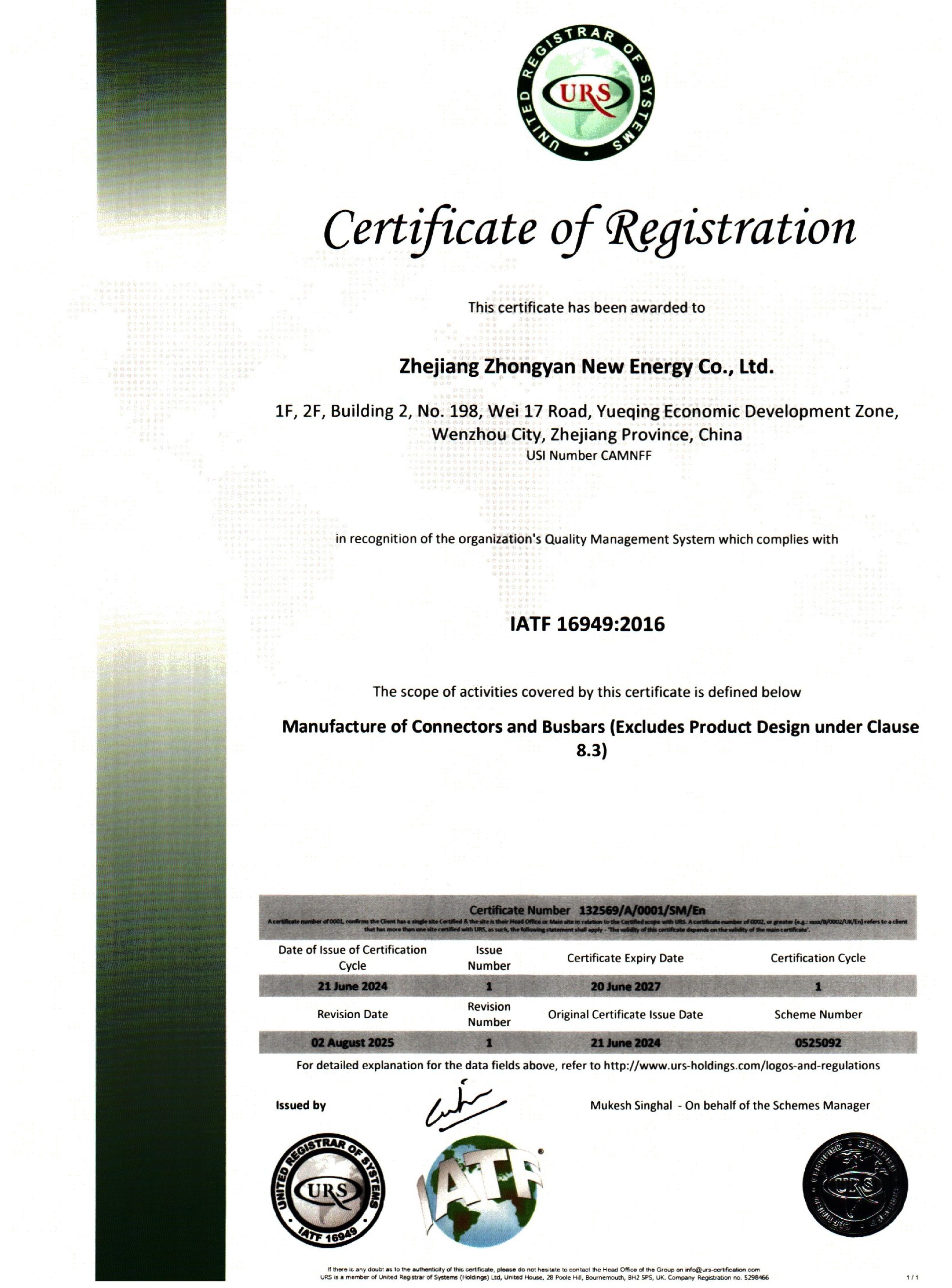
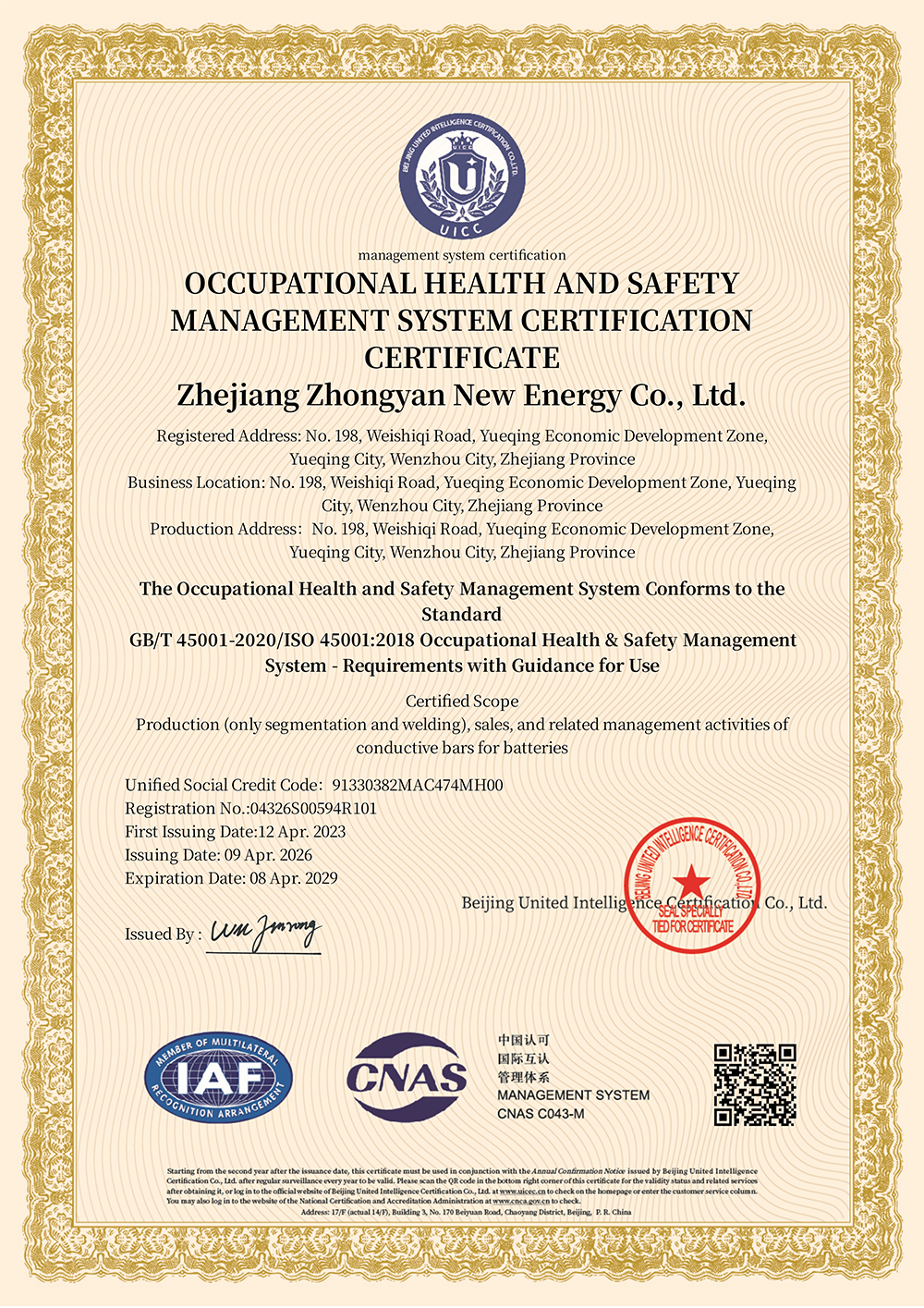
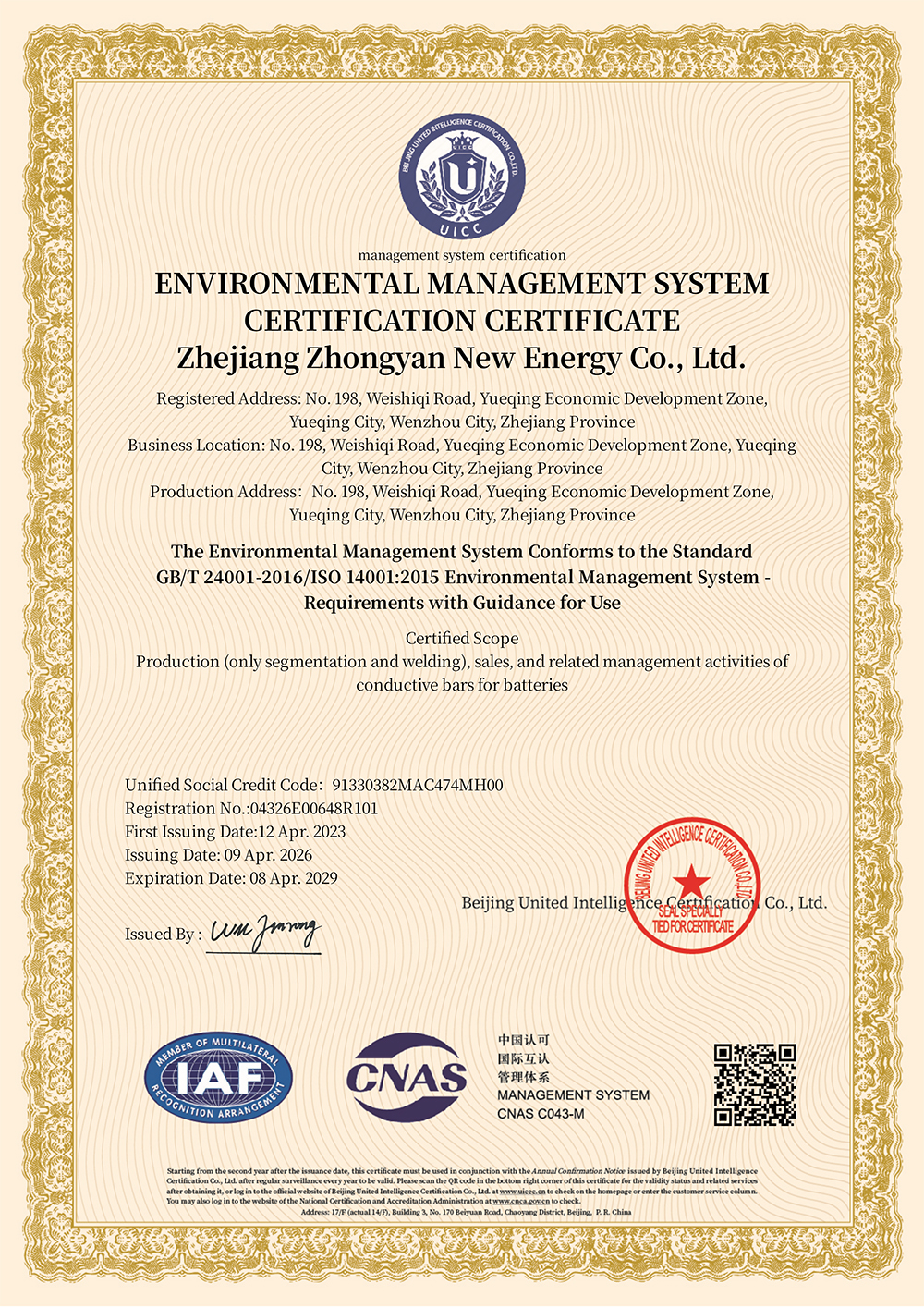
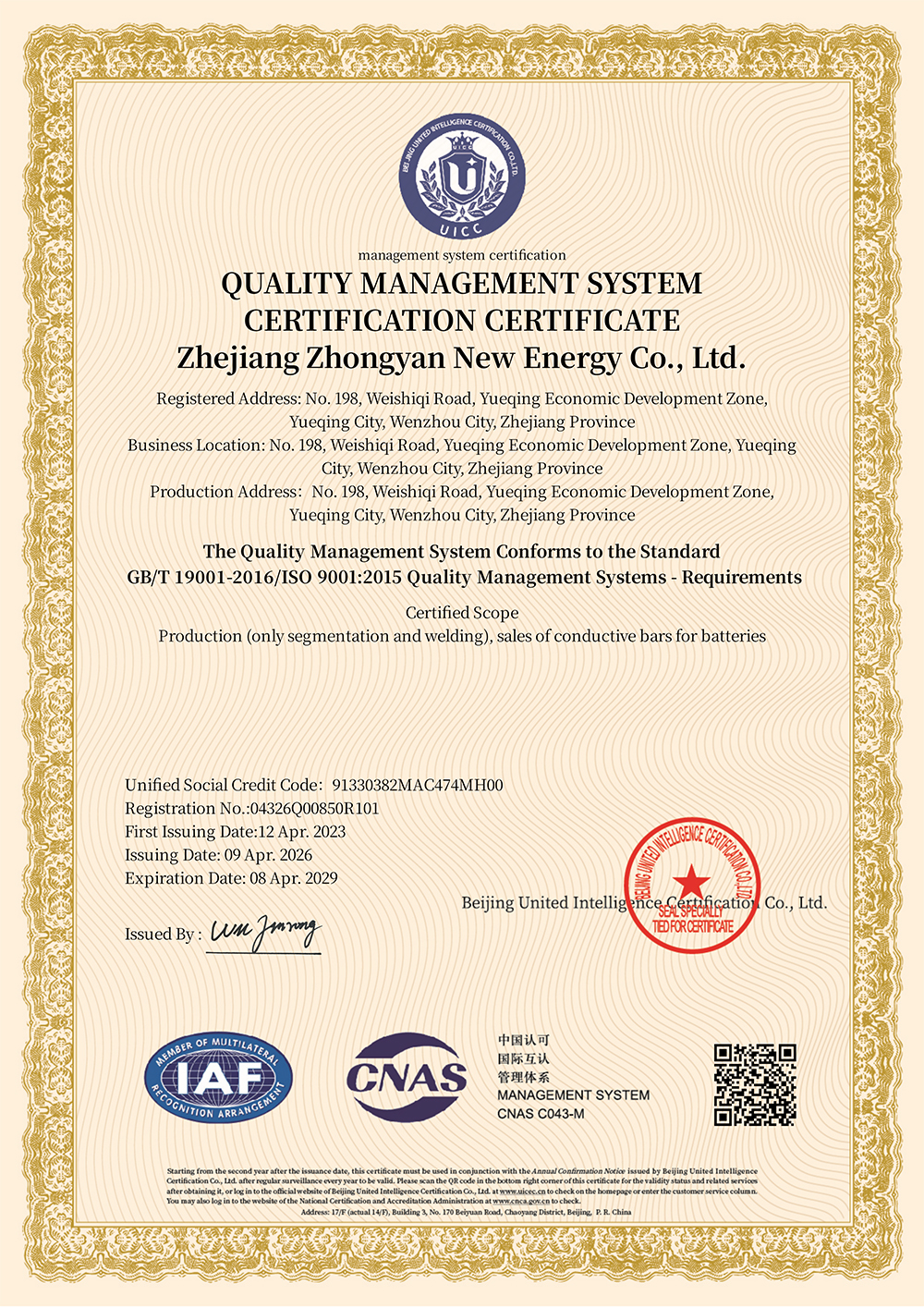
How Does ISO Certification for Copper Busbar ISO Certified Translate into Tangible Product Quality Assurance?
The ISO certification and product quality assurance
ISO certification is a widely recognized mark of quality management. How ISO certification for copper busbar ISO certified translates into tangible product quality assurance is through the implementation of a documented quality management system.
The meaning of ISO certification
The ISO certification covers the entire manufacturing process, from raw material procurement to final product testing. It requires the manufacturer to document and control their processes and continuously monitor and improve quality. ISO 9001 is the basic standard for quality management. The specific standard may also include ISO 14001 (environmental management) and ISO 45001 (occupational health and safety).
The translation into product quality
The documented processes ensure consistent production, with traceability of materials and testing at every stage. The manufacturer is required to measure and track quality metrics and take corrective action when issues are identified. The certification provides a framework for continuous improvement, which drives the manufacturer to enhance product quality and reduce defects over time.
The quality assurance mechanisms in ISO certification
- Documented processes: all manufacturing processes are documented, ensuring consistent production and providing a baseline for training and improvement
- Traceability: materials are tracked from receipt to final product, enabling rapid identification of any quality issues and effective recalls
- Quality metrics: quality is measured and tracked, and corrective action is taken when targets are not met, ensuring continuous performance monitoring
- Continuous improvement: the manufacturer must continuously improve their processes, leading to increased quality and reduced defects over time
What Are the Applications of Copper Busbar IATF 16949 in the New Energy Sector?
The IATF 16949 standard and its applications in new energy
IATF 16949 is the automotive industry's quality management standard. It is based on ISO 9001 but includes additional requirements specific to automotive manufacturing. The applications of copper busbar IATF 16949 in the new energy sector reflect the growing convergence of automotive and energy technologies.
The standard and its requirements
IATF 16949 requires a product development process that includes design for manufacturability, process control, and robust product validation. The standard includes specific requirements for process control, including statistical process control (SPC) and measurement system analysis (MSA). It also includes requirements for supply chain management and traceability.
The applications in new energy
Copper busbars are a key component in electric vehicle (EV) battery packs, connecting cells and modules to the main power distribution system. They are also used in EV charging infrastructure and stationary energy storage systems, connecting batteries to inverters and grid connections. Renewable energy systems, such as solar and wind power, also use copper busbars to connect power conversion equipment.
The new energy applications for IATF 16949 certified busbars
|
Application |
IATF 16949 Requirement |
Why It Matters |
|
EV battery pack connections |
Process control; traceability |
Ensures reliability and safety in EV batteries |
|
EV charging infrastructure |
Product validation; reliability testing |
Ensures reliability in high-use charging stations |
|
Energy storage systems |
Supply chain management; traceability |
Ensures reliability in grid-connected energy storage |
|
Renewable energy systems |
Design for manufacturability; process control |
Ensures reliability in harsh environmental conditions |
FAQ
Q1: What is the difference between ETP and OFHC copper for busbars?
ETP (electrolytic tough pitch) copper is the standard grade for most busbar applications, with a minimum conductivity of 100% IACS. OFHC (oxygen-free high-conductivity) copper has higher purity (99.99%) and conductivity (101–102% IACS). OFHC is preferred for critical applications where maximum conductivity and long-term stability are required.
Q2: How do I determine the busbar size for a given current rating?
The busbar size is determined by the current rating, allowable temperature rise, ambient temperature, and installation conditions. Use the standard current density (1.5–2.0 A/mm² for AC) to calculate the approximate cross-sectional area, then verify the actual busbar capacity with the manufacturer's data sheets.
Q3: What IP rating is required for electric tractor busbars?
An IP rating of at least IP65 is typically required. For applications involving high-pressure washing, IP67 or IP68 may be required. The IP rating must be verified for the specific installation.
Q4: How does ISO certification ensure product quality?
ISO certification ensures product quality through documented processes, traceability, quality metrics, and continuous improvement. The certification provides a framework for consistent production and defect reduction.
Q5: What is the application of IATF 16949 certified busbars in new energy?
IATF 16949 certified busbars are used in electric vehicle battery packs, EV charging infrastructure, and renewable energy systems. The standard ensures reliable and safe components for these applications
Contact us
Driven by the development of new energy and aiming for "zero carbon".
Copyright © Zhejiang Zhongyan New Energy Co., Ltd. All Rights Reserved.
